
Host: Elizabeth Mumper | Guests: Brianne Dressen, Jeffrey Tucker, Suzanne Gazda, and Lawrence Palevsky
What happens after patients share their stories directly with federal health leaders?
Dr. Elizabeth Mumper is joined by Brianne Dressen of React19, Jeffrey Tucker of Brownstone Institute, Dr. Suzanne Gazda, and Dr. Lawrence Palevsky to connect the patient accounts in Cries for Help with testimony shared with HHS leadership. Together, they explore what it will take to turn greater awareness into meaningful recognition, care, and support for the vaccine injured.
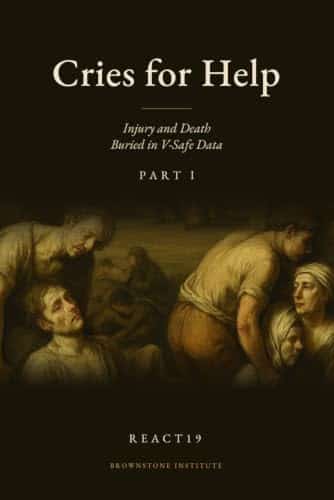
Patients had already told the government they needed help. They signed up for the CDC’s v-safe program, described serious health problems, and waited for the follow-up they had been promised. Some kept writing after the callbacks failed to come. Those unanswered pleas now fill Cries for Help, a two-volume publication from Brownstone Institute based on React19’s review of the records.
Federal health leaders are now promising a response. The Department of Health and Human Services has announced a new NIH clinic to study and care for people reporting health problems after vaccination, a step IMA welcomed. For someone who has already waited years for help, that promise raises an immediate question: where can they find care, and who will keep helping them?
In this week’s show, the people doing that work explain what needs to happen next. Dr. Elizabeth Mumper hosts Brianne Dressen, Jeffrey Tucker, Dr. Suzanne Gazda, and Dr. Lawrence Palevsky to discuss Cries for Help and the HHS response. Tucker asks us to spend time with the patients’ own words. The clinicians and Dressen reflect on their participation in the federal roundtable and the care patients are still waiting for.
Meet the Experts
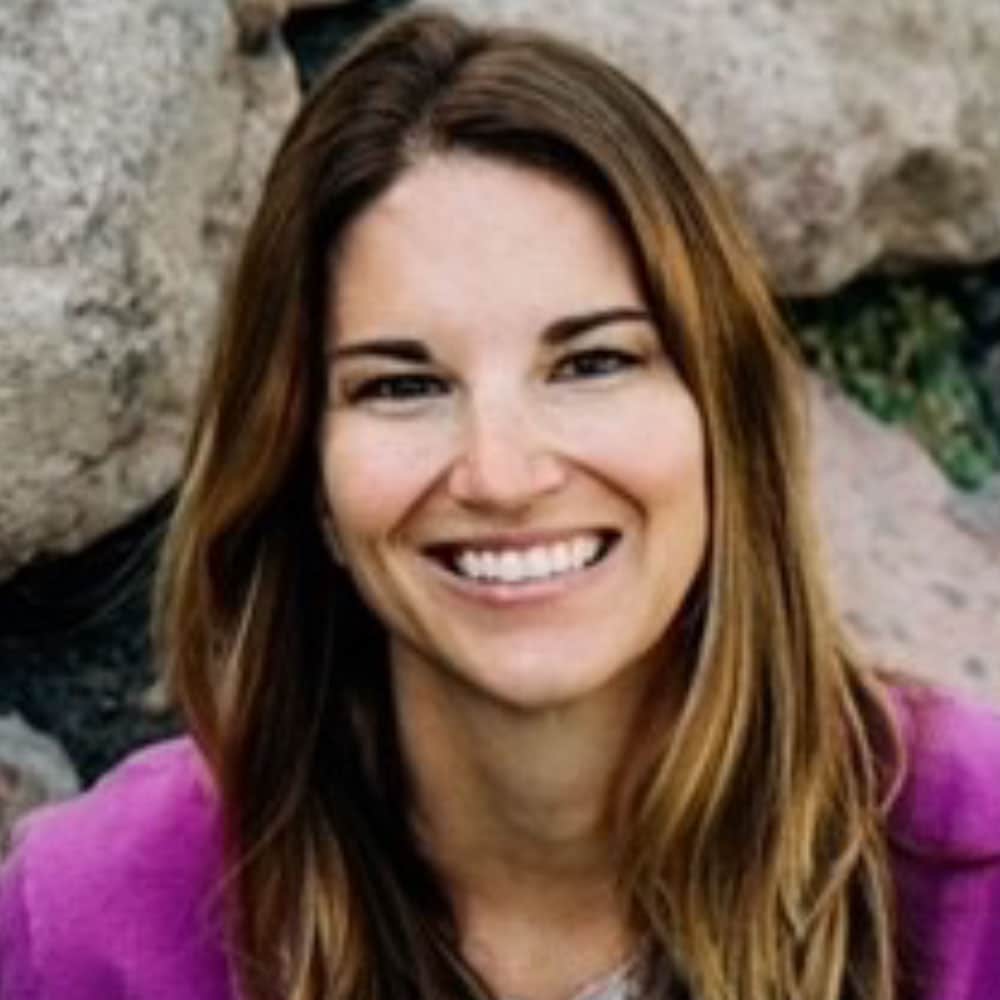
Brianne Dressen
Co-founder, React19. A former preschool teacher and AstraZeneca clinical-trial participant, Dressen advocates for people living with lasting illness after vaccination. React19 connects patients with research, practical support, and a community of others facing similar experiences.

Jeffrey Tucker
Founder and President, Brownstone Institute. Tucker is an author and commentator on public policy and culture. Through Brownstone, he has helped bring the patient accounts in Cries for Help to a wider audience.

Dr. Suzanne Gazda
Neurologist; IMA Senior Fellow, Brain Health. Dr. Gazda brings decades of clinical and research experience to her work with complex neurological illness, including long COVID and post-vaccine syndromes. Read her bio.
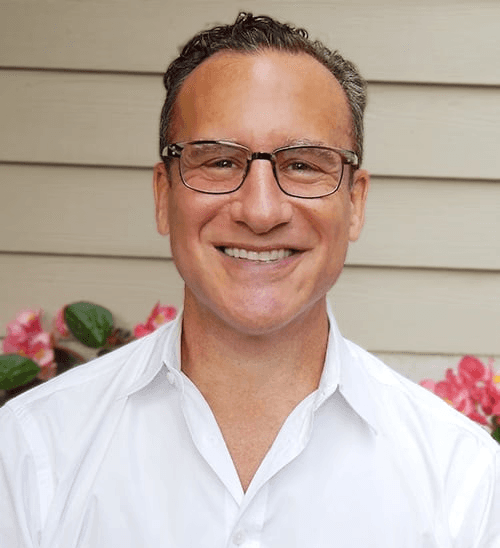
Dr. Lawrence Palevsky
Pediatrician. Dr. Palevsky works with families and teaches parents and health professionals about children’s health, development, and chronic illness. He is a past president of the American Holistic Medical Association. Visit his website.
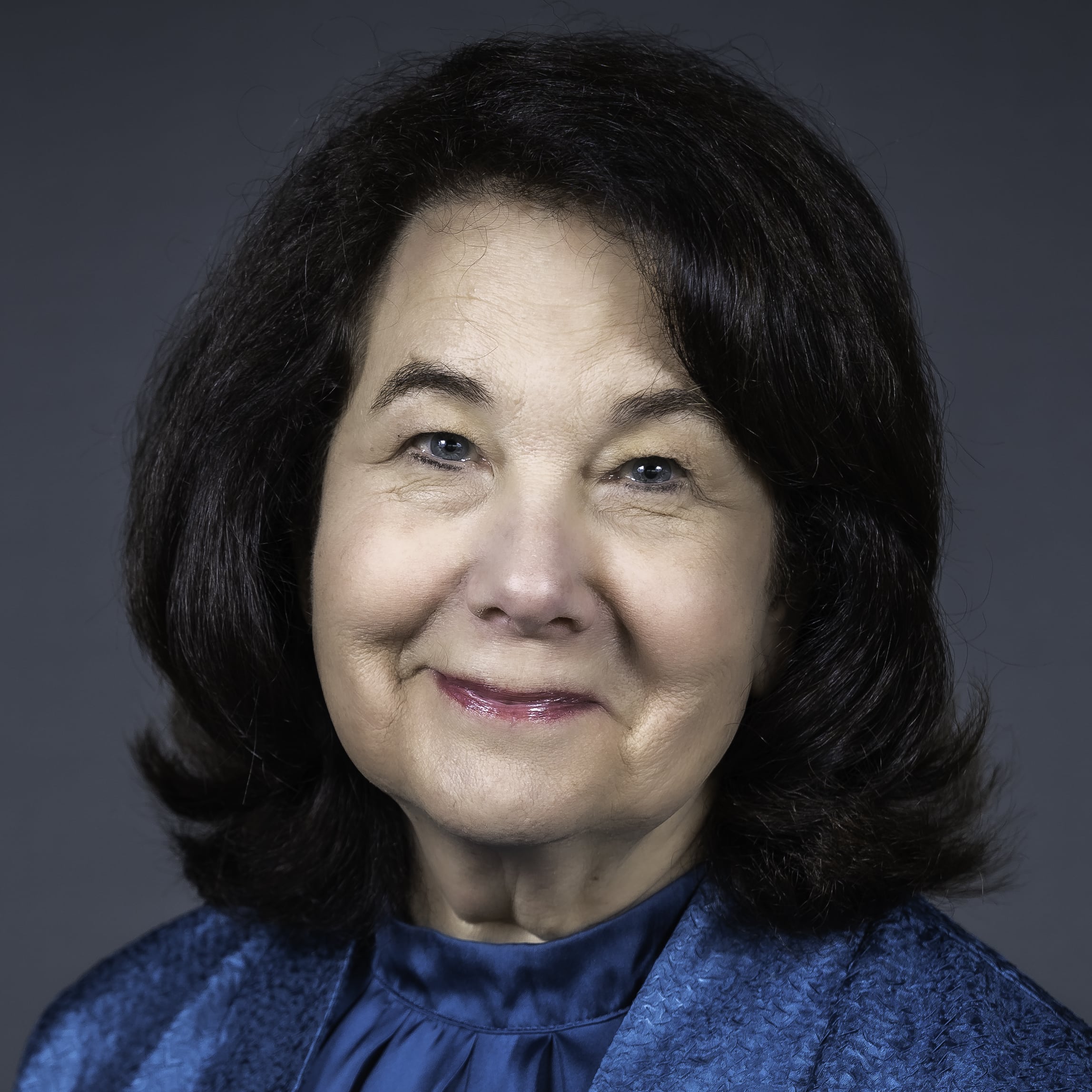
Dr. Elizabeth Mumper
Pediatrician; IMA Senior Fellow, Pediatric Education. Dr. Mumper brings decades of experience in clinical care and medical education to her work with children with complex illness. She hosts this discussion and shares her perspective as a participant in the HHS roundtable. Read her bio.
The Patients Behind the V-Safe Entries
The people reporting health problems after vaccination were trusting someone to pay attention. IMA’s VAERS coverage has documented failures in that responsibility. VAERS, the Vaccine Adverse Event Reporting System, had received more reports following COVID vaccination than for all other vaccines combined since 1990: about 1.68 million versus 1.06 million in OpenVAERS’ tally of U.S. and foreign reports through September 25, 2026. Dressen also described React19’s earlier VAERS audit, which documented complaints of missing follow-up and reports that never became publicly visible.
V-safe carried a more personal promise. It sent automated surveys to participants, and the CDC’s 2021 protocol called for telephone follow-up when someone reported a significant health problem requiring medical attention. React19 reviewed the free-text responses using records obtained by the Informed Consent Action Network, and Brownstone published the accounts as Cries for Help.
React19’s v-safe audit identified 3,329 participants whose entries met its criteria for pleas for help, suicidal thoughts, near-death experiences, or reports of a death. Some kept writing, still waiting for the promised callback. In one entry Dressen reads on the show, a husband describes his wife’s severe pain after a first Pfizer dose. He asks for an expert to help her and begs someone to respond. What strikes Tucker is how much trust these people had placed in the CDC:
“These are the people that wanted the vaccine. They wanted to contribute to the science. They were healthy enough to write in. They thought somebody was on the other side listening. They treated the CDC as if it were their doctor. A caring, loving parent, maybe.” — Jeffrey Tucker
After about ten hours of reading, Tucker had to stop for several days. People were thanking the CDC while describing devastating symptoms, then asking whether they should take another dose.
Some patients blamed themselves for trusting the assurances they had been given. Tucker sees that sense of betrayal throughout the collection, including accounts from people who had initially hoped their own suffering might help advance the science.
His request to clinicians, journalists, and public officials is simple: give these patients some of your time. Brownstone has made the report available to read and share.
Why Patients Still Struggle to Find Care
Being sick is hard enough without having to persuade each new doctor to take your symptoms seriously. Dr. Gazda has been treating these patients since 2021 and brought their experiences to the HHS roundtable, where Secretary Robert F. Kennedy Jr., NIH Director Dr. Jay Bhattacharya, and other officials heard from patients and clinicians.
“These patients still end up in a diagnostic no man’s land, a wasteland. And not only do they not get a diagnosis, they go from one specialist to another, to another, to another.” — Dr. Suzanne Gazda
Clinicians are already seeing these patients, often without knowing where to begin. Her appeal to the CDC director was for nationwide clinician education about long COVID and post-vaccination illness, so that another referral brings a patient closer to help.
Help should also be coming from programs already funded to investigate vaccine safety. The CDC’s Clinical Immunization Safety Assessment (CISA) Project connects clinicians with specialists on complex vaccine safety cases. Yet Dressen said institutions funded through that network, including Vanderbilt, had been among the worst at dismissing React19 patients.
The response at HHS gave Dr. Gazda hope that the families had been heard. Yet Dr. Bhattacharya had also reaffirmed that COVID vaccines were safe. Her testimony challenged those assurances with the persistent illness she sees in her own practice.
The Questions Research Still Needs to Answer
Parents describing a child losing skills after vaccination are asking what happened to their child. Dr. Palevsky took that question to the roundtable, challenging officials to examine where ingredients such as aluminum nanoparticles and polysorbate 80 travel after injection, including whether they enter the brain and how that might relate to the neurological changes families report.
For a child already living with chronic inflammation, what happens when another vaccine provokes an immune response? Dr. Palevsky wanted research into the duration and cumulative effects of inflammation:
“You know, vaccines are supposed to cause inflammation acutely, but does the inflammation ever shut off? So is inflammation ongoing? Does it last days, weeks, months, years? And then what happens if you continue to vaccinate more acute inflammation on top of perhaps subacute or chronic inflammation?” — Dr. Lawrence Palevsky
When symptoms persist, patients need answers about what is happening in their bodies. Dr. Gazda asked whether lingering spike protein or messenger RNA could help explain the chronic illness she sees in her neurology practice. Safety surveillance needs to follow those patients beyond the initial reaction.
Answers have to be specific enough to help the person sitting in front of a doctor. Dr. Mumper emphasized the need to distinguish between patient subgroups, studying their different symptoms and disease courses closely enough to guide treatment.

What Happens When Patients Leave the NIH?
HHS’s announcement offers a concrete step toward that care: a clinic at the NIH’s Bethesda campus bringing patient evaluation, care, and scientific investigation together. IMA welcomed the initiative and the accompanying reporting reforms.
Those efforts include:
- Proposed Medicare reimbursement for physicians’ time spent submitting VAERS reports.
- Plans to require electronic health records to capture vaccine-related adverse events so the information follows patients between providers.
- Modernization of VAERS to simplify reporting and improve tools for researchers and clinicians.
The initial effort Dressen outlined would evaluate about 200 patients, starting with adults, with broader age eligibility being pursued. It would address injuries following different vaccines. Patients would have to fit research protocols that determine who can enroll and which tests and treatments can be offered.
Dressen knows the NIH as a patient as well as an advocate. Her own evaluation and treatment there made continued care beyond a research protocol a central concern:
“So, they will be providing treatment through these protocols, but it’s not going to be continued care. It’s going to be on a very acute, case-by-case basis, and it also has to fit within their protocol.” — Brianne Dressen
Once patients return home, they still need care and a way to pay for it. An NIH official had told Dressen that the program could not pay for ongoing care elsewhere.
She urged Drs. Mumper, Gazda, and Palevsky to organize that care alongside the NIH’s research. For people already ill, waiting for research to translate into treatment means more time without the help they need, a delay that concerned Dr. Mumper.
Building Care Beyond One Clinic
Care this complex takes time, and the clinicians already doing it need more colleagues beside them. Dr. Mumper called for a broader clinical workforce that can provide care alongside continuing research:
“I think that we’ve got to put a lot of pressure on the government, not just for the research, but for the clinical care, for making doctors available and other clinicians. I mean, we can use nurse practitioners and naturopaths and physical therapists and all our licensed colleagues to help these people. They need an army. They need a village to help them get better.” — Dr. Elizabeth Mumper
From the patient’s side, Dressen set out four priorities:
- A full analysis and release of the v-safe data, including the side effects participants were promised would be disclosed.
- Clinical care available across the country.
- Accountability for the response to injured patients.
- Research that helps explain their conditions and improve treatment.
Medical schools could help grow that workforce. Dr. Mumper wants government support to bring experienced practitioners into the classroom, because students are not learning what those clinicians know about caring for these patients.
Patients need help while that larger effort takes shape. Dr. Palevsky urged clinicians and families to keep educating and helping people in their communities. He believes public understanding can move faster than change inside the agencies, and that work must continue while officials follow through.
What Comes Next
Give the people in Cries for Help some of your time. Their accounts are free to read and share with clinicians, journalists, and public officials. Then keep asking who will provide the continuing care these patients need, and how it will be paid for. They have already waited years for help.
Related Reading
- Post: Cries for Help Buried in V-Safe Data
- Post: Independent Doctors Applaud HHS for Opening NIH Clinic to Study and Treat Vaccine-Injured Patients
- Post: HHS Launches Agency-Wide Actions to Strengthen Vaccine Injury Research, Reporting, and Patient Care
- Post: Diagnosing PACVS: Peer-Reviewed Study Advances Recognition for COVID Vaccine Injured

More on: Brianne Dressen | Dr. Lawrence Palevsky | Dr. Liz Mumper | Dr. Suzanne Gazda | Jeffrey Tucker | Vaccine Injury