

The Treatment Was Worse Than the Disease
George Washington died in 1799 after undergoing treatment protocols his doctors fully trusted. Dr. Joseph Varon asks which of today's confident treatments will look just as wrong.
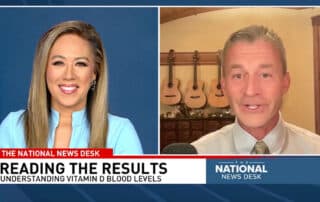
Vitamin D and Immune Health: Why Your Blood Level Matters Heading Into Winter
Dr. Ryan Cole joins The National News Desk to explain why vitamin D drops in fall, who is most likely to be low, and what blood level supports immune health.

Medicine Has Forgotten How to Touch the Patient
Have we created the most technologically advanced medicine in history, while simultaneously forgetting how to practice medicine? Dr. Joseph Varon weighs in.

Saving Lives Should Not Require Permission
"A protocol can guide my hands, but it cannot carry my conscience." Dr. Joseph Varon asks: can medicine recover its courage before its conscience is gone?

Teens, AI Chatbots, and Mental Health: What Parents Should Watch For
IMA Senior Fellow Dr. Witt-Doerring on why a chatbot that agrees with everything is the last thing a struggling teen needs, and what parents should watch for.

America’s Drug Shortage Is a National Security Crisis
A nation that cannot supply hospitals with medicines is not experiencing an inconvenient drug shortage. It has discovered vulnerability.

Replacing the AMA: How Independent Doctors are Taking Back Medicine
An accredited academy, a peer-reviewed journal, and a referral network: what the organization formerly known as FLCCC built after COVID.
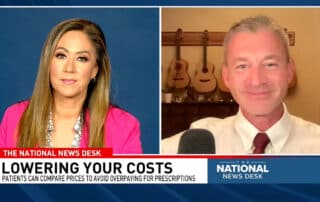
Prescription Drug Prices Are Falling: What Patients Should Ask at the Pharmacy
IMA's Dr. Ryan Cole explains why drug prices are dropping, how PBMs took their cut, and the two questions that can lower your cost at the pharmacy.
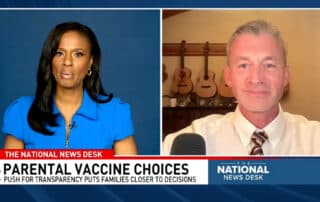
Executive Order on Childhood Vaccines: Three Questions Every Parent Should Ask
Pathologist Dr. Ryan Cole breaks down the new executive order on childhood vaccines and the three questions every parent should bring to the pediatrician.
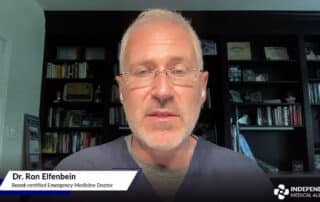
Fauci Wasn’t the Only One
Six years after the shutdowns, Dr. Ron Elfenbein is still facing federal prosecution. He says the people who actually held power have answered for nothing.