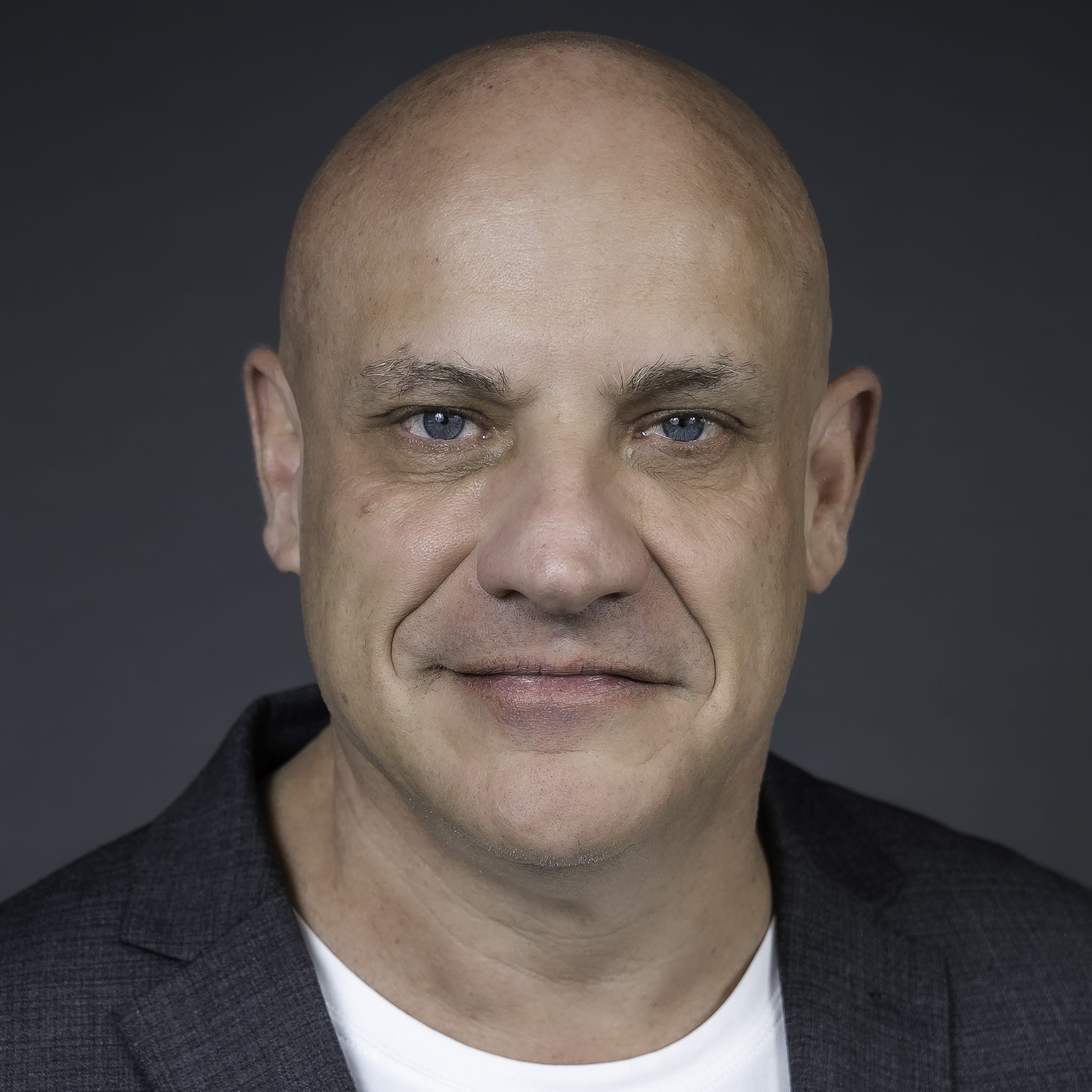

By Dr. Joseph Varon (published by Brownstone Institute)
The Reflex to Intervene
Recently, I encountered a social media post from a respected colleague expressing frustration about the frequent prescription of prednisone for cases that were essentially “common colds.” She stated bluntly: this is malpractice!
This comment highlights a broader issue extending beyond corticosteroid prescribing. Prednisone exemplifies a pattern that has become prevalent in contemporary medical practice, influencing nearly every specialty, clinic, and hospital. The medication itself is neutral; like most treatments, it offers significant benefit when used appropriately but can cause harm if administered without careful consideration. The central concern is not the drug, but the increasing tendency to act reflexively rather than thoughtfully evaluating the necessity of treatment.
Medicine has traditionally emphasized intervention. Those of us in medicine diagnose, treat, alleviate pain, and occasionally cure disease. However, as scientific knowledge has advanced, the field has gradually shifted from deliberate decision-making to habitual action. Increasingly, the primary question during clinical encounters is not whether treatment is necessary, but which treatment to select. The possibility that observation or delayed intervention may represent the optimal approach is frequently overlooked and, in many instances, feared by the healthcare practitioner.
This shift does not reflect diminished concern among physicians. Rather, modern practice is shaped by scientific advances, patient expectations, medicolegal pressures, administrative demands, and technology, collectively making intervention appear safer than restraint.
However, increased intervention does not necessarily equate to improved outcomes in medicine. Every prescription entails risks. Each diagnostic test may generate false positives, unexpected findings, patient anxiety, and additional procedures. Every treatment alters the body in both anticipated and unanticipated ways. The primary challenge is not merely understanding what is possible, but determining what is appropriate.
Sir William Osler identified this dilemma well before the development of antibiotics, intensive care units, or electronic medical records. His insight remains highly relevant: “One of the first duties of the physician is to educate the masses not to take medicine.” Although this statement may initially seem paradoxical, especially from a founder of modern clinical medicine, Osler recognized that restraint is a defining feature of effective practice. His guidance was not a rejection of therapeutics, but rather an acknowledgment that physicians best serve patients by discerning when intervention is necessary and when natural recovery is preferable.
The Forgotten Virtue of Clinical Restraint
Contemporary medicine occasionally overlooks the body’s intrinsic capacity for self-healing. Many common conditions, such as viral infections, minor injuries, or mild gastrointestinal disturbances, often resolve spontaneously through natural physiological processes. In these situations, the physician’s role shifts from active intervention to careful observation, monitoring for atypical recovery, and providing reassurance grounded in clinical experience rather than unfounded assurances.
Unfortunately, observation and watchful waiting are frequently perceived as inaction. Patients may interpret the absence of a prescription as a lack of concern for their symptoms. Physicians, under time constraints and mindful of patient satisfaction metrics, may prescribe medication primarily to demonstrate responsiveness. While this dynamic is understandable, it carries risks. The prescription may become a symbolic gesture of care, even when it does not influence the course of the illness.
Nearly a century ago, Francis Weld Peabody offered a lasting reminder: “The secret of the care of the patient is in caring for the patient.” Although frequently cited, this principle is often insufficiently considered. Genuine care is not measured by the quantity of medications or tests administered, but by attentive listening, thorough examination, transparency regarding uncertainties, and ongoing support throughout the illness, even in the absence of immediate solutions. Explaining why a medication is unnecessary may, in fact, require greater expertise and communication skills than simply prescribing.
When Good Drugs Become Bad Habits
Prednisone illustrates this dilemma particularly well. Few medications have transformed medical practice as profoundly as corticosteroids. They remain indispensable in the management of autoimmune diseases, severe asthma exacerbations, adrenal insufficiency, transplant medicine, and numerous inflammatory disorders. During the Covid-19 pandemic, these agents demonstrated a survival benefit among hospitalized patients requiring supplemental oxygen or mechanical ventilation, reinforcing the importance of administering corticosteroids to carefully selected patients at the appropriate stage of disease. These successes, however, should not obscure the equally compelling evidence demonstrating harm when systemic corticosteroids are prescribed without clear indication.
Even short courses of corticosteroids have been linked to higher risks of serious infections, blood clots, broken bones, high blood sugar, mood changes, trouble sleeping, and other side effects that are often overlooked because the medicines are familiar. Still, corticosteroids keep being prescribed for simple viral upper respiratory infections even though there is no strong proof they shorten illness or improve important health results. The decision usually reflects patient expectations, time pressures, and the clinician’s understandable desire to help.
The same behavior has influenced antibiotic prescribing for decades. Antibiotics are one of the greatest achievements in medical history, turning once-deadly infections into conditions that can be treated regularly. Yet the great success of antibiotics has ironically led to their overuse. Prescriptions are still given for illnesses known to be viral, even though strong evidence shows antibiotics do not help in these cases and can cause allergic reactions, Clostridioides difficile infection, upset the natural bacteria in the body, and contribute to the wider problem of antibiotic resistance.
Antibiotic stewardship programs have shown that being more careful with prescriptions does not make care less safe; in fact, it often leads to better results and helps keep antibiotics effective. The real challenge is not the evidence, but breaking old habits. Physicians often feel that not giving antibiotics means not caring, even though the opposite can be true. Many patients actually feel better when they get a clear explanation of why antibiotics are not needed, rather than a prescription that leaves them unsure. These talks take time, confidence, and trust, which are harder to find in today’s busy healthcare world. Diagnosis often unfolds over time. Symptoms evolve, laboratory values change, and imaging may clarify or confuse. Experienced clinicians recognize that careful followup frequently provides information unavailable during the initial encounter.
Yet, uncertainty has become more uncomfortable for both clinicians and patients. Electronic medical records encourage clearcut diagnoses. Quality measures favor finished treatments. Documentation forms reward detailed answers even when certainty is impossible. Defensive medicine holds that every possible diagnosis must be ruled out immediately rather than considered carefully over time. In these situations, prescribing a medicine can feel easier than admitting uncertainty and planning close followup. An adverse effect of that treatment results in additional symptoms requiring further intervention. Before long, both physician and patient become participants in a cascade whose original purpose has largely been forgotten. At each individual step, the decision appears reasonable. Viewed collectively, however, the sequence often illustrates how incremental interventions can accumulate into substantial harm.
It is striking how much medicine has changed. We now have more knowledge, technology, and treatment options than ever before. But the biggest challenge today may not be finding new treatments. Instead, it is having the discipline to know when treatment is not needed. Science has given us many tools, but wisdom is still what tells us when to use them.
The effects of this culture are most clear not in one prescription but in many added up. Taking many medicines rarely starts as a planned strategy. Instead, it grows slowly, one reasonable decision at a time. Polypharmacy rarely begins intentionally. A single appropriate prescription is followed by another to treat a side effect, then another to address the consequences of the previous one. Over time, the medication list becomes less a reflection of current clinical judgment than a record of accumulated decisions.
This problem, clearly described by Rochon and Gurwitz as the prescribing cascade, is one of the most overlooked causes of harm from medical treatment in modern medicine. Side effects from drugs are often mistaken for new illnesses instead of problems caused by current treatments. Instead of finding and stopping the harmful medicine, physicians often add more drugs to treat new symptoms. This leads to a growing web of treatments, making it harder to distinguish disease from harm caused by treatment. Older adults are especially at risk because age-related body changes affect how drugs work, and having many chronic illnesses means many specialists are involved, each focused on one body part but not always on the total effect of all treatments.
Just looking at the lists of medicines seen in hospitals and clinics shows how big this problem is. It is now common to find patients taking 15 or 20 medicines every day. Some are clearly needed. Others started during sudden illnesses and were never stopped. Some treat side effects caused by earlier medicines. Others stay because neither the clinician nor the patient feels confident enough to ask whether they are still needed. The list of medicines gains a life of its own, becoming less a reflection of current medical judgment and more a record of past visits.
Proton pump inhibitors show this process very clearly. These medicines changed how peptic ulcers, acid reflux, and stomach bleeding in certain high-risk patients are treated. Their effectiveness is clear. Yet many patients who start these medicines in the hospital or for a short time keep taking them for years without review. Studies have linked long-term use to possible problems like gut infections, vitamin shortages, chronic kidney disease, and broken bones, though how strong these links are is still debated. No matter the debate, one rule is clear: every long-term medicine should be reviewed regularly. The question is not if proton pump inhibitors help; they definitely do for the right patients, but if the original reason for taking them still applies.
Similar patterns appear with benzodiazepines. These drugs are first prescribed for sudden anxiety, trouble sleeping, or sedation during procedures, but they often become long-term treatments despite growing evidence that long use is linked to falls, memory problems, dependence, and withdrawal symptoms, especially in older adults. Their continued use often is not because they are still needed but because it is hard to stop medicines that both physicians and patients see as essential. What was meant as short-term relief slowly becomes permanent treatment.
The opioid crisis is perhaps the clearest example of how hope for treatment can go beyond scientific caution. In the late 20th century, physicians were encouraged to see pain as the “fifth vital sign,” while worries about addiction in patients treated for long-term pain were often downplayed. Drug marketing, professional excitement, rules, and real care all came together to create a situation where opioid prescribing rose sharply. The resulting public health crisis is well known. Hundreds of thousands of overdose deaths, widespread addiction, broken families, and stressed healthcare systems remind us that even treatments given with good intentions need constant careful review. The tragedy was not just too much prescribing; it was the shared failure to question ideas that seemed both kind and scientifically sound at the time.
More recently, excitement about testosterone replacement therapy has raised similar questions about how far medical treatment should go. Proper treatment of true hypogonadism offers real benefits, like better bone strength, muscle mass, sexual function, and quality of life. But advertising directly to consumers and broad views of vague symptoms like tiredness, low energy, or less motivation have led to a big rise in testosterone prescriptions beyond clear medical reasons. Aging itself is increasingly seen as a medical problem, with normal body changes treated as disorders needing medicine. These trends challenge physicians to distinguish real disease from normal human changes.
Evidence Is Not Judgment
The same urge to intervene goes far beyond medicines. Diagnostic imaging has changed medicine in ways earlier generations could hardly imagine. CT scans, MRIs, and ultrasound let us see problems with great detail. Many lives have been saved thanks to these tools. But their great power also brings new problems. Very sensitive imaging finds many unexpected issues, many of which may not matter. Small lung spots, adrenal growths, thyroid changes, kidney cysts, and spine wear often lead to long followup scans, invasive tests, specialist visits, and patient worry even though they usually have little or no real health impact.
The problem of overdiagnosis is now more widely recognized in many fields. Finding abnormalities that would never have caused symptoms or shortened life expectancy can expose patients to unnecessary treatment without benefit. Screening programs, while very useful when aimed correctly, show this delicate balance. Finding problems earlier helps only when it leads to better results, not just when it makes someone carry a diagnosis longer. More tests do not always mean better care.
Growing awareness of these unintended effects has renewed interest in deprescribing as a formal practice. Deprescribing is more than just stopping medicines. It is a careful, evidence-based process that assesses whether each treatment is still needed, effective, and safe in light of the patient’s goals, life expectancy, other illnesses, and preferences. Importantly, deprescribing should never be seen as giving up on treatment. Instead, it is part of thoughtful care throughout the whole treatment process. Starting a medicine and stopping it both need the same careful thinking and professional responsibility.
The broader philosophical framework supporting this approach is embodied in the concept of quaternary prevention. Traditionally, preventive medicine has focused on preventing disease before it occurs, detecting illness at earlier stages, and limiting complications after diagnosis. Quaternary prevention introduces a fourth dimension: protecting patients from unnecessary medical interventions likely to cause more harm than benefit. In an era characterized by extraordinary technological capability, this principle assumes increasing importance. The ability to intervene should never be confused with the obligation to intervene.
These considerations inevitably lead to a broader discussion of evidence-based medicine, a concept that is sometimes misunderstood both by its advocates and its critics. Evidence-based medicine has never been synonymous with rigid protocol adherence or algorithmic decision-making. Sackett and colleagues defined it as the conscientious integration of best available research evidence with individual clinical expertise and patient values. The elegance of that definition lies in its balance. Scientific evidence informs practice but does not replace judgment. Clinical expertise interprets evidence within the context of an individual patient rather than an abstract population. Patient values ensure that medical decisions remain aligned with personal goals rather than statistical averages.
Unfortunately, contemporary healthcare systems occasionally reduce evidence-based medicine to little more than guideline compliance. Clinical pathways, quality metrics, performance dashboards, and standardized protocols undoubtedly improve consistency and reduce unwarranted variation in many settings. They have contributed significantly to improved management of sepsis, acute myocardial infarction, stroke, and numerous other conditions. Yet no guideline can fully account for the complexity of human illness. Every recommendation emerges from studies conducted in carefully selected populations under defined circumstances. The patient sitting in front of the physician rarely resembles the average participant in a clinical trial.
Medicine, therefore, remains as much an interpretive science as an empirical one. Guidelines illuminate the path, but they cannot walk it. The physician must continually integrate evolving evidence with experience, clinical context, biological plausibility, and the unique circumstances of the individual patient. The danger arises when protocols become substitutes for thinking rather than tools that support thoughtful decision-making. At that point, reflexive medicine acquires the appearance of scientific rigor while gradually losing the wisdom that gives evidence its greatest value.
When Systems Encourage Intervention
The environment in which physicians practice today further reinforces the reflex to intervene. Electronic medical records, while indispensable for communication, continuity of care, and patient safety, have subtly altered the cognitive landscape of medicine. The modern clinical encounter is punctuated by alerts, reminders, quality indicators, mandatory fields, and decision-support algorithms. Many of these features serve legitimate purposes. They reduce medication errors, encourage adherence to established standards, and facilitate population health initiatives. Yet they also risk transforming nuanced clinical reasoning into an exercise in satisfying software-generated prompts. When the electronic record becomes the dominant participant in the examination room, the physician’s attention may gradually shift from understanding the patient to completing the encounter.
This evolution coincides with another defining characteristic of contemporary healthcare: the relentless emphasis on productivity. Physicians are increasingly evaluated using metrics that assess volume, throughput, documentation, coding accuracy, and compliance with predefined quality measures. These metrics are not inherently misguided. Health systems require accountability, and quality improvement has produced measurable gains in many areas of medicine. Nevertheless, not everything that matters can be easily measured. The thoughtful conversation that prevents an unnecessary antibiotic prescription, the careful explanation that reassures a worried family, or the decision to observe rather than investigate rarely appears on a performance dashboard. Such moments consume time while generating little visible evidence that high-value care has occurred.
Defensive medicine adds another layer of complexity. Few physicians are entirely immune to the fear of overlooking a serious diagnosis. The possibility of litigation exerts a powerful influence on clinical behavior, often encouraging additional testing or treatment despite a low probability of benefit. While the true contribution of malpractice concerns to healthcare utilization remains debated, the perception of medicolegal vulnerability undoubtedly shapes decision-making. Ordering one more test or prescribing one more medication frequently feels safer than explaining why neither is necessary. Unfortunately, what protects the physician emotionally may not always protect the patient clinically.
The emergence of artificial intelligence promises to reshape these dynamics even further. Machine learning systems are already demonstrating impressive capabilities in image interpretation, risk prediction, documentation assistance, and clinical decision support. Properly implemented, these technologies may reduce diagnostic error, identify subtle clinical patterns, and relieve physicians of administrative burdens that currently detract from patient care. Their potential is considerable.
Yet artificial intelligence also presents an important philosophical challenge. Algorithms learn from existing clinical practice, and existing practice includes both exemplary care and habitual excess. If training data reflect widespread overtesting, unnecessary prescribing, or excessive imaging, artificial intelligence may inadvertently reinforce those behaviors by presenting them as statistically supported recommendations. Clinical decision support should stimulate thinking, not replace it. Medicine has never been simply an exercise in pattern recognition. It requires interpretation, ethical judgment, contextual understanding, and an appreciation of the individual patient that extends beyond measurable variables. An algorithm may estimate risk with extraordinary precision, but it cannot fully understand fear, resilience, family circumstances, or the personal values that ultimately determine whether a particular intervention is appropriate.
Rediscovering the Courage to Do Less
History repeatedly reminds us that medicine advances through the willingness to question its own assumptions. Practices once regarded as unquestionably beneficial have later been abandoned when more rigorous evidence revealed unanticipated harm. Bloodletting, prolonged bed rest after myocardial infarction, routine hormone replacement therapy for chronic disease prevention, and prophylactic antiarrhythmic therapy after myocardial infarction each enjoyed periods of widespread acceptance before careful investigation prompted reassessment. Scientific progress depends not only on discovering new treatments but also on abandoning those that fail to withstand continued scrutiny. Intellectual humility is therefore not an obstacle to medical progress; it is one of its essential foundations.
One of the most encouraging developments in recent years has been the international Choosing Wisely initiative, which encourages meaningful conversations between physicians and patients regarding tests and treatments that may provide little or no value. The campaign is frequently misunderstood as an effort to reduce healthcare costs. Its deeper purpose is far more important. It seeks to restore thoughtful clinical dialogue by asking deceptively simple questions: Is this intervention truly necessary? What evidence supports it? What are its potential harms? Does it align with the patient’s goals and preferences? These questions reestablish judgment as the central instrument of medical practice.
Medical education must continue to cultivate this mindset. Young physicians are taught to recognize disease rapidly, initiate appropriate therapy, and respond decisively during emergencies. These skills are indispensable. Equally important, however, is learning when restraint represents the highest standard of care. The confidence to observe a patient with a self-limited illness, to discontinue a medication that no longer provides benefit, or to decline an unnecessary diagnostic test reflects maturity rather than hesitation. Such decisions often require greater clinical expertise than initiating treatment because they demand a comprehensive understanding of the disease’s natural history, therapeutic risks, and the psychology of both the physician and the patient.
Ultimately, the practice of medicine has always been an exercise in balancing action with restraint. Scientific discovery continually expands our therapeutic possibilities, but wisdom determines how those possibilities should be applied. The remarkable technologies now available to physicians should inspire neither therapeutic exuberance nor therapeutic nihilism. They should instead reinforce the enduring importance of judgment. Every prescription should answer not only the question, “Can this medication help?” but also, “Does this patient truly need it?” Every diagnostic test should be justified not simply because it can reveal additional information but because that information is likely to improve meaningful clinical outcomes.
The social media post that prompted these reflections focused on prednisone, but prednisone was never the true subject. It merely exposed a broader tendency that permeates contemporary medicine, the inclination to equate intervention with excellence and activity with compassion. Our patients deserve something better. They deserve physicians who recognize that medicine is not defined by the number of prescriptions written, tests ordered, or procedures performed, but by the quality of judgment guiding every decision.
The future of medicine will undoubtedly include more sophisticated therapeutics, increasingly powerful diagnostic tools, and artificial intelligence capable of processing information at unprecedented speed. None of these advances will diminish the need for thoughtful physicians. On the contrary, they will make clinical wisdom even more valuable. The art of medicine has never resided in our ability to intervene. It resides in our ability to discern when intervention serves the patient and when restraint serves the patient better.
Perhaps the greatest measure of clinical maturity is not the confidence to prescribe, but the confidence to refrain. The highest expression of medical judgment is not knowing which medication to choose. It is recognizing, with knowledge, humility, and compassion, when no medication is necessary.