What if the most powerful levers for mood, energy, and sleep are compounds your body already makes? Download this free guide to the targeted hormones and specialty nutrients that support how you feel and how you age.
Mood, energy, sleep, and how well we age all trace back to biochemistry. Some of the most influential players are compounds your body already makes, or once made in abundance.
Hormones like DHEA and pregnenolone peak in your mid-twenties and decline from there. Melatonin gets scrambled by artificial light. And a handful of botanicals and nutrients carry a research base for mood, stress, and longevity that most people never hear about.
This free guide by IMA Senior Fellow Dr. Kristina Carman moves past the basics of vitamins and minerals into the targeted compounds that support mood, energy, sleep, and healthy aging. It covers eight of them, from the hormone precursors at the top of the body’s cascade to the longevity molecule that switches on your cells’ self-cleaning. For each, you’ll find what it does, who tends to run low, where to find it in food, sensible dosing, and the safety notes that matter most.
📖 What’s in the Guide?
This guide covers eight targeted hormones and specialty compounds in a concise, reader-friendly format, including:
- 🧬 The Master Hormones
- 🌿 Natural Mood Support
- 🌙 Sleep & Circadian Rhythm
- 🧠 Memory, Focus & Stress
- ✨ Cellular Longevity
1. 🧬 The Master Hormones
DHEA and pregnenolone sit at the very top of the hormonal cascade. Everything your body builds downstream, from sex hormones to stress hormones, starts with them. The guide covers:
- DHEA, the raw material your body uses to build testosterone and estrogen
- Pregnenolone, the “mother hormone” that feeds the entire cascade below it
- Why both peak in your twenties and fall sharply by your seventies
- The reach of healthy levels: energy, mood, libido, memory, and bone density
- Why testing your levels comes before dosing with these two

2. 🌿 Natural Mood Support
Three of the most studied natural mood compounds keep getting compared to prescription antidepressants in clinical trials. Each works through real, measurable mechanisms, and one carries serious interaction risks. The guide details:
- SAMe, with one of the deepest evidence bases of any natural mood compound
- St. John’s Wort, powerful for mood and the guide’s biggest source of drug interactions
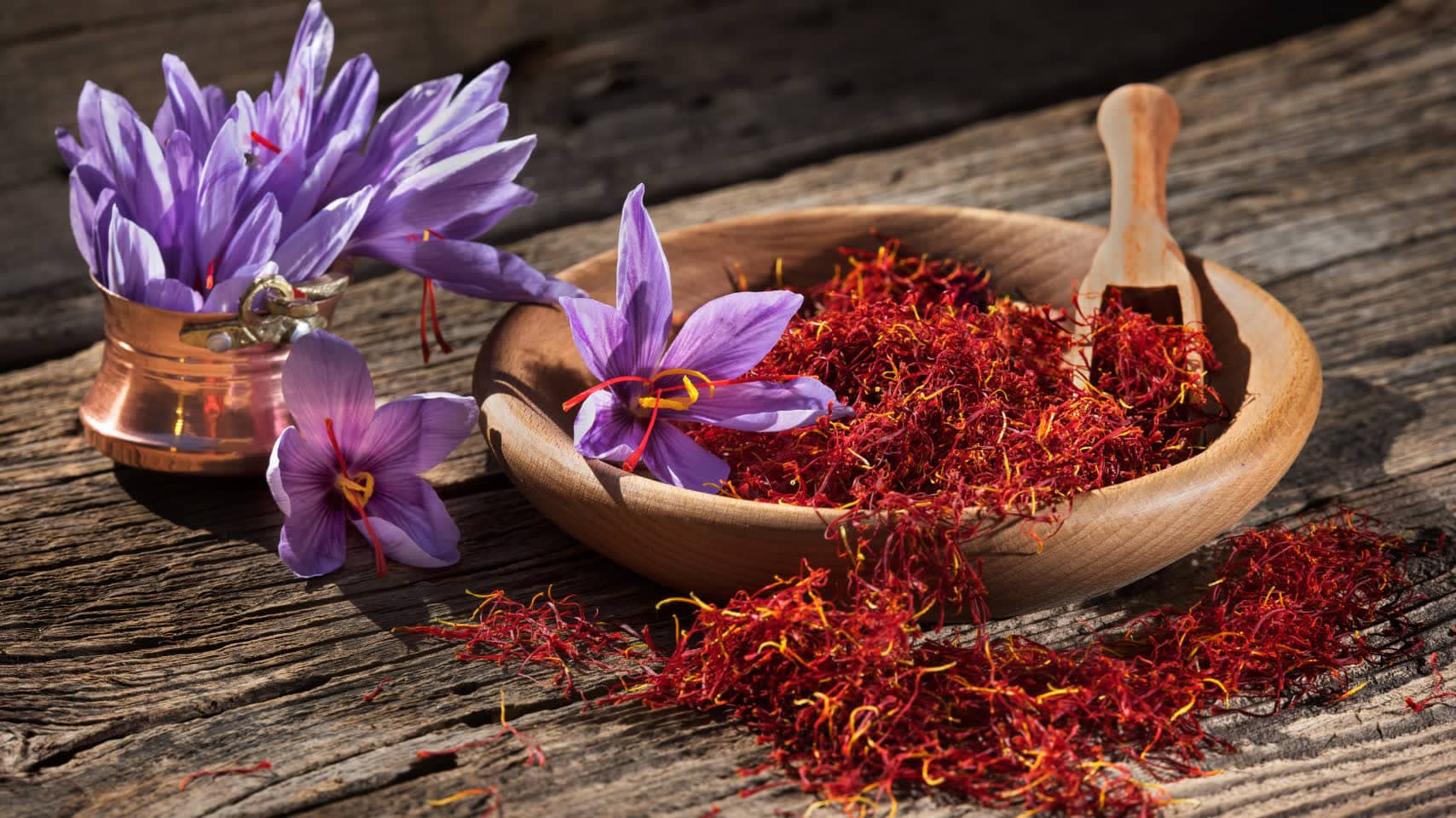
- Saffron, studied for mood, anxiety, appetite, and even antidepressant side effects
- The doses used in research, and which standardized extracts are worth choosing
- The interaction warnings that matter most if you already take an SSRI
3. 🌙 Sleep & Circadian Rhythm
Melatonin is best known as a sleep aid, but the guide reframes it as one of the most versatile antioxidants your body produces. The guide explains:
- Why it counts as one of the body’s most powerful antioxidants
- Its lesser-known roles in immune defense, heart health, and the eyes
- Why most people take far too much, and why less often works better
- The light-management habits that matter as much as the supplement
4. 🧠 Memory, Focus & Stress
Phosphatidylserine is a building block of your brain cell membranes. It’s also one of the few supplements with an FDA-qualified claim for cognitive decline. This section covers:
- How it blunts the cortisol spike from physical and psychological stress
- Why that cortisol control protects memory, focus, and sleep
- Its role in attention and age-related cognitive decline
- The food sources and the forms worth knowing before you buy
5. ✨ Cellular Longevity
Spermidine has become a centerpiece of longevity science for one reason: it switches on your cells’ built-in self-cleaning system. That process, autophagy, is one of the strongest levers we have on healthy aging. The guide explains:
- How spermidine triggers autophagy, your cells’ recycling and renewal process
- Why autophagy is central to healthy aging, and why it slows with time
- The research links to heart, brain, immune, and hair-follicle health
- Where to find it, from wheat germ and aged cheese to mushrooms
- How fasting and exercise amplify its effects
🔑 Beyond the Basics
Vitamins and minerals cover the foundation. The compounds in this guide are the specialty tools, the ones that act on mood, sleep, stress, and the slow drift of aging at the level of hormones and cells. Several carry clinical research most people never encounter, and a few come with real cautions worth understanding before you open a bottle.
That’s what makes a trustworthy map worth having. This guide puts the what, the how much, the food sources, and the safety notes for all eight compounds in one place, so you can walk into a conversation with your practitioner already informed and make choices that fit your body.
📚 Related Resources
- Guide: Antioxidants & Plant Compounds: What They Do, Where to Find Them, and How They Support Whole-Body Health
- Guide: Amino Acids 101: What They Do and Why They Matter
- Guide: Gut & Metabolic Support: Foundational Nutrients for a Healthier Gut
- Guide: Vitamins 101: A Practical Guide to Vitamins for Better Health
- Guide: Minerals 101: A Practical Guide to Minerals for Better Health
- Guide: From A to Zinc: The IMA Nutrient Guide