
Which antioxidants actually matter, and are you getting enough? Download this free guide for a clear, compound-by-compound breakdown of 16 evidence-backed antioxidants and plant compounds, including food sources, optimal dosages, and what to watch for.
You hear a lot about antioxidants. Eat your berries. Take your supplements. Fight free radicals. But which compounds actually have strong evidence behind them? Which forms does your body absorb? And how do you know if you’re getting enough?
This free guide by IMA Senior Fellow Dr. Kristina Carman profiles 16 of the most well-researched antioxidants and plant compounds available. For each one, the guide covers how it helps, where to find it in food, optimal dosages by health goal, which forms to look for, and signs that you may not be getting enough.
📖 What’s in the Guide?
This guide covers 16 antioxidants and plant compounds in a concise, patient-friendly format, including:
- 🧬 The Antioxidant Powerhouses
- 🌿 Botanicals and Herbal Allies
- 🫐 Polyphenols and Flavonoids
- 🐟 Essential Fats and Specialized Extracts
- ⚠️ What to Know Before You Start
1. 🧬 The Antioxidant Powerhouses
The guide opens with four foundational compounds that protect cells, power mitochondria, and support the body’s own detoxification systems. You’ll learn about:
- Alpha lipoic acid (ALA): why it’s called the “universal antioxidant” and how it regenerates vitamins C, E, and glutathione
- CoQ10: its essential role in cellular energy production and why statin users need to pay close attention
- Glutathione: the body’s master detoxifier, why levels decline with age, and which supplemental forms actually reach your cells
- Astaxanthin: estimated to be up to 6,000 times more powerful than vitamin C in certain antioxidant measurements, and one of the few antioxidants that never becomes a pro-oxidant
2. 🌿 Botanicals and Herbal Allies
Some of the most powerful plant compounds have been used medicinally for centuries, and modern research is catching up. The guide covers:
- Curcumin/turmeric: thousands of published studies on its anti-inflammatory properties, and why the form you choose determines whether it actually works
- Milk thistle (silymarin): one of the most validated liver-protective compounds in the world, used medicinally for over 2,000 years
- Nigella sativa (black seed oil): a traditional remedy with an impressive range of researched benefits, from immune support to blood sugar regulation
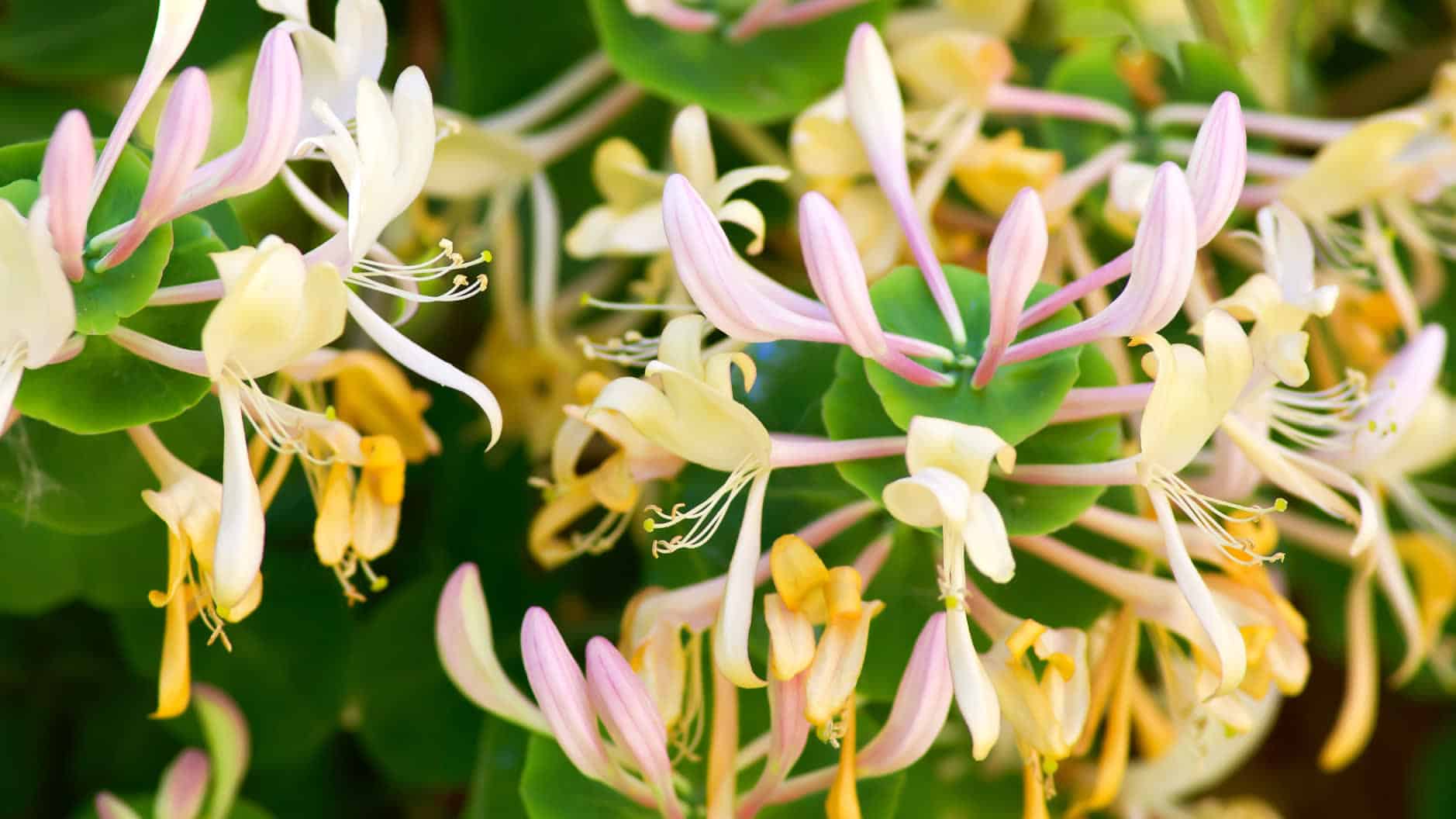
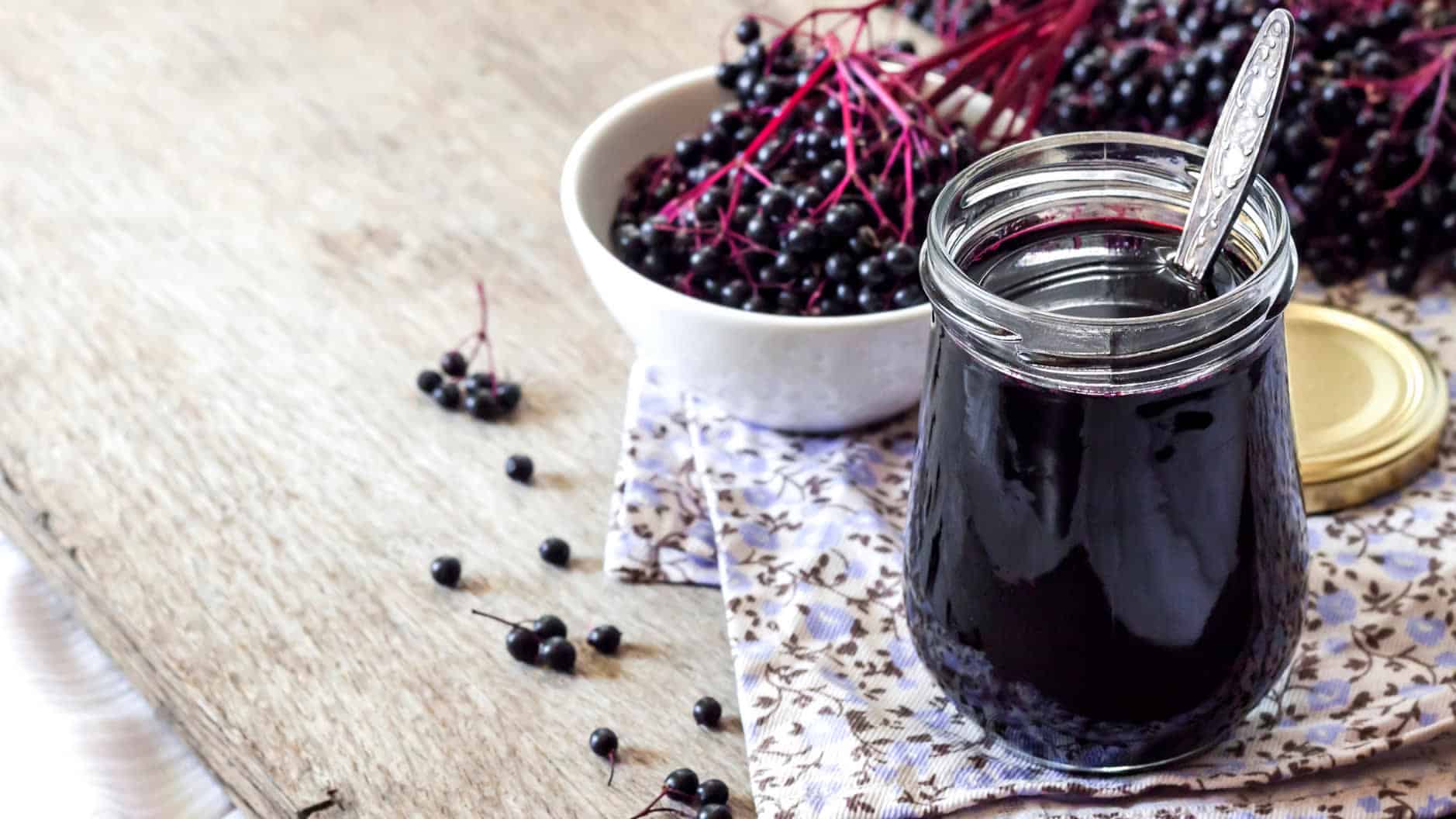
- Elderberry, honeysuckle, and dandelion: how each supports immune function and overall health, with practical preparation tips

3. 🫐 Polyphenols and Flavonoids
Quercetin and resveratrol are two of the most versatile plant compounds in the guide, with wide-ranging benefits across multiple body systems. You’ll find:
- Quercetin: its broad anti-inflammatory and immune-modulating properties, why it pairs well with zinc, and which form absorbs best
- Resveratrol: how it activates longevity-associated proteins called sirtuins, food sources beyond red wine, and why trans-resveratrol is the only active form
- Key food sources for both, from apples and onions to red grapes and dark chocolate
4. 🐟 Essential Fats and Specialized Extracts
Not all supplements are created equal, and the guide explains exactly what to look for on the label. This section covers:
- Omega-3 fatty acids: why EPA and DHA content matters more than total capsule weight, and how to choose between fish oil and algae-based options
- Pine bark extract (Pycnogenol): one of the most potent antioxidant complexes in nature, with clinical research spanning heart health, circulation, cognitive function, and skin
- Spirulina and chlorella: two of the most nutrient-dense foods on the planet, with chlorella’s unique ability to bind and remove heavy metals
5. ⚠️ What to Know Before You Start
The guide closes with an important section on contraindications and medication interactions. Key highlights include:
- Blood thinners, diabetes medications, and statins: which supplements may interact and why monitoring matters
- Special considerations for pregnancy, children, liver disease, and autoimmune conditions
- Why working with a qualified practitioner is always recommended before starting a new supplement protocol
🌱 Your Starting Point
The right antioxidants and plant compounds, in the right forms and at the right doses, can make a meaningful difference in how your body manages inflammation, detoxification, energy production, and long-term health. This guide gives you the practical, evidence-based foundation to make informed choices.
Download your free copy and keep it as a reference you can return to anytime.