
Your body runs on amino acids. Download this free guide to learn which ones matter most, what they do, and how to get more of them through food and targeted supplementation.
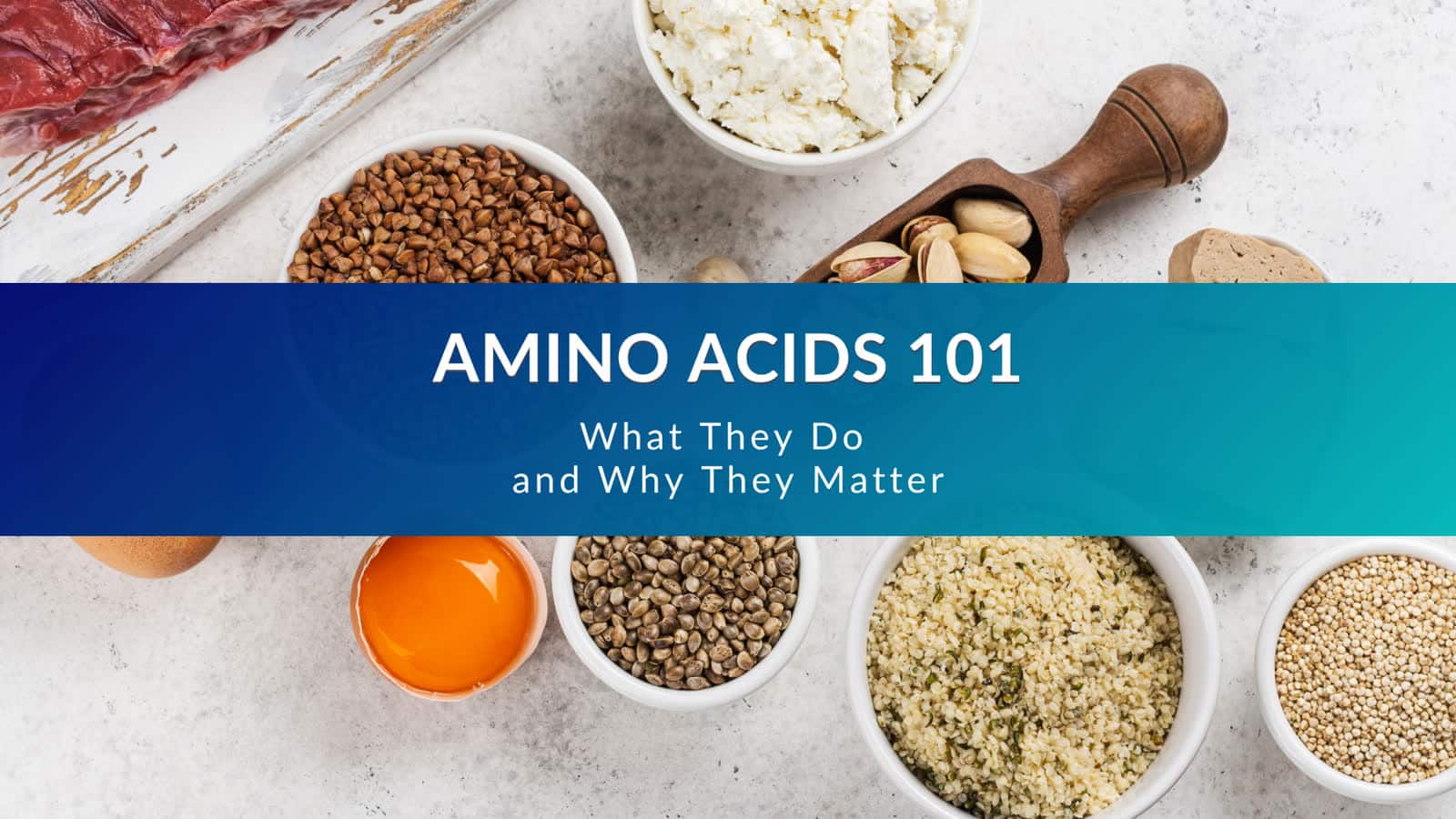
Most people know they need vitamins and minerals. Fewer think about amino acids, even though these compounds are the raw material behind nearly every function in the body: building muscle, producing neurotransmitters, supporting detoxification, repairing the gut lining, and more. When levels fall short, the effects show up everywhere.
This free guide by IMA Senior Fellow Dr. Kristina Carman walks through 16 of the most important amino acids and related compounds, covering what each one does, which foods contain it, signs you might be running low, and practical guidance for supplementation.
📖 What’s in the Guide?
This guide covers 16 essential amino acids and related compounds in a concise, patient-friendly format, including:
- 🧱 Structure and Repair
- 🛡️ Detox and Antioxidant Defense
- 🧠 Mood, Sleep and Calm
- ⚡ Energy and Performance
- 🔬 Hormones and Specialized Support
1. 🧱 Structure and Repair
Four amino acids form the foundation of your body’s structural integrity. The guide covers:
- Glycine: the most abundant amino acid in the body and a major building block of collagen, with roles in sleep, detox, and gut health
- L-Proline: glycine’s partner in collagen synthesis, essential for skin elasticity, joint health, and wound healing
- L-Lysine: a cornerstone of immune function and collagen production, with well-documented antiviral properties against herpes simplex
- L-Glutamine: the primary fuel source for gut lining cells, foundational for anyone dealing with digestive issues or immune challenges
2. 🛡️ Detox and Antioxidant Defense
Your liver’s detox pathways depend on sulfur-containing amino acids. This section covers:
- NAC (N-Acetyl Cysteine): the direct precursor to glutathione, with applications spanning liver protection, respiratory health, and mental health support
- L-Methionine: the starting point for the entire sulfur amino acid pathway, including SAMe production and healthy methylation
- Taurine: a powerful antioxidant linked to heart health, eye protection, and emerging longevity research showing its levels decline significantly with age
3. 🧠 Mood, Sleep and Calm
The neurotransmitters that regulate your mood and sleep are built from amino acids. The guide details:
- L-Tryptophan: the sole dietary precursor to serotonin and melatonin, with important notes on absorption and medication interactions
- 5-HTP: a more direct route to serotonin than tryptophan, with guidance on safe use and cycling strategies
- GABA: the brain’s primary calming neurotransmitter, with practical advice on the naturally fermented form and synergistic pairings
- L-Theanine: the amino acid behind green tea’s calm-but-focused effect, including the well-researched caffeine and L-theanine combination

4. ⚡ Energy and Performance
These amino acids fuel your mitochondria, muscles, and cardiovascular system. This section covers:
- L-Carnitine: essential for transporting fatty acids into mitochondria for energy, with specific form recommendations for brain health vs. athletic performance
- BCAAs (Branched Chain Amino Acids): the three essential amino acids metabolized directly in muscle tissue, with guidance on optimal ratios and whole-food alternatives
- L-Arginine and L-Citrulline: the nitric oxide pathway duo that supports circulation, blood pressure, and exercise recovery
5. 🔬 Hormones and Specialized Support
Two compounds with unusually broad clinical applications. The guide explains:
- L-Tyrosine: the precursor to dopamine, norepinephrine, and thyroid hormones, with guidance on timing and form selection for focus and stress resilience
- Inositol: one of the most clinically validated natural compounds for PCOS, anxiety, and metabolic health, with specific dosing ratios backed by research
💪 The Building Blocks You’re Missing
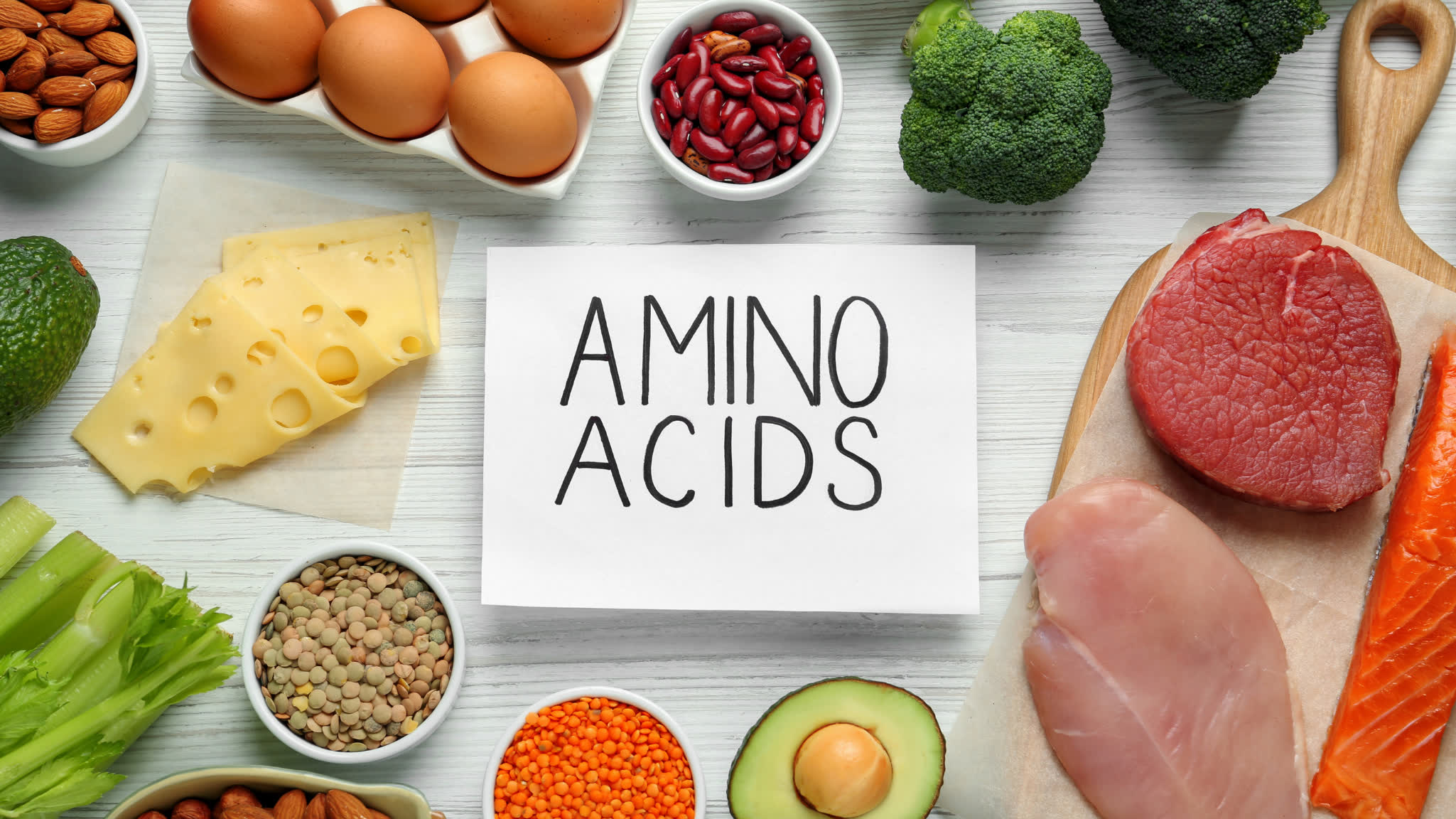
Amino acids are some of the most practical and accessible tools available for supporting your body’s own repair, resilience, and performance. For each of the 16 compounds covered here, Dr. Carman includes the foods richest in it, the signs your levels may be low, and clear dosing guidance so you know exactly where to start.
The right amino acids, in the right forms, can make a real difference. This guide gives you everything you need to put them to work.