
More of your health runs through your gut than you’d think: immunity, mood, metabolism. Download the free guide and learn about the nutrients it needs.
Your gut does far more than digest food. It houses roughly 70% of your immune tissue, produces neurotransmitters that shape your mood, and helps regulate blood sugar, inflammation, and weight. When it’s struggling, the effects ripple outward as fatigue, brain fog, skin flare-ups, and stubborn metabolic problems that never seem to trace back to a single cause.
This free guide by IMA Senior Fellow Dr. Kristina Carman breaks down the foundational nutrients that support digestion, microbiome balance, and metabolic health. It’s a practical reference you can actually use: what each nutrient does, the foods that deliver it, the signs you might be running low, and sensible dosing if you choose to supplement.
📖 What’s in the Guide?
This guide covers the foundational nutrients for gut and metabolic health in a concise, easy-to-reference format, including:
- 🧈 Butyrate
- ✨ Collagen & Collagen Peptides
- ⚙️ Digestive Enzymes
- 🌾 Fiber & Prebiotic Fiber
- 🦠 Probiotics
1. 🧈 Butyrate
Butyrate is the fuel your colon runs on. This short-chain fatty acid is made when gut bacteria ferment fiber, and it’s foundational for a healthy gut barrier. The guide covers:
- Why it’s the primary energy source for the cells lining your colon
- Its role in calming inflammation and supporting the gut-brain axis
- The fiber-rich foods that fuel your body’s own butyrate production
- When a supplement makes sense, and which forms reach the colon best
2. ✨ Collagen & Collagen Peptides
Collagen is the scaffolding that holds you together. It’s the most abundant protein in the body, and production starts declining in your mid-20s. The guide explains:
- How collagen supports the gut lining, joints, skin, and bones
- The difference between collagen types and which one targets which goal
- Food sources from bone broth to sardines
- Why pairing collagen with vitamin C makes it work harder
3. ⚙️ Digestive Enzymes
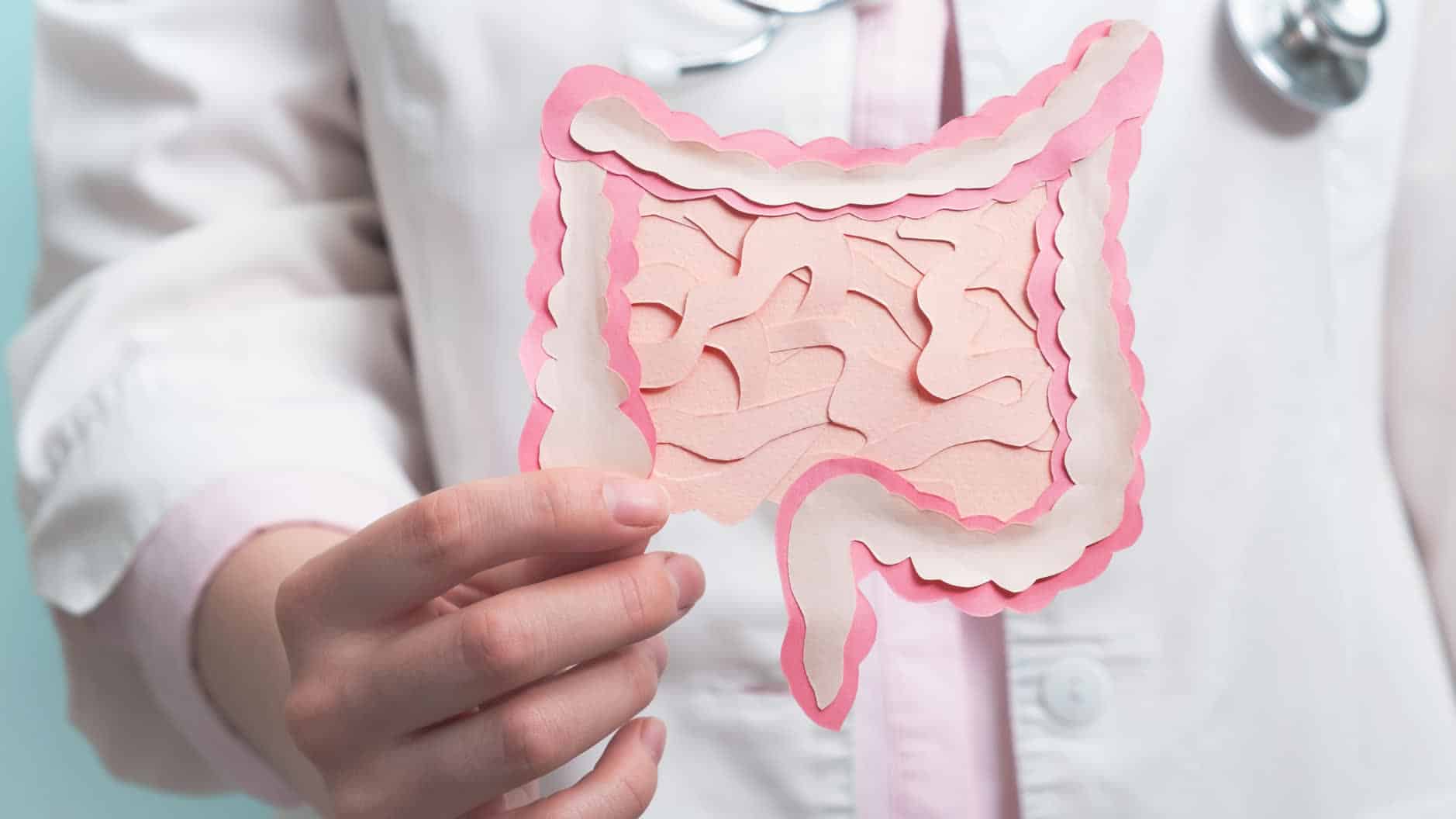
A perfect diet can’t help you if you can’t break it down. Digestive enzymes turn food into nutrients your body can actually absorb. This section covers:
- The signs your body may be running low, from bloating to undigested food
- The key enzymes to look for in a quality broad-spectrum formula
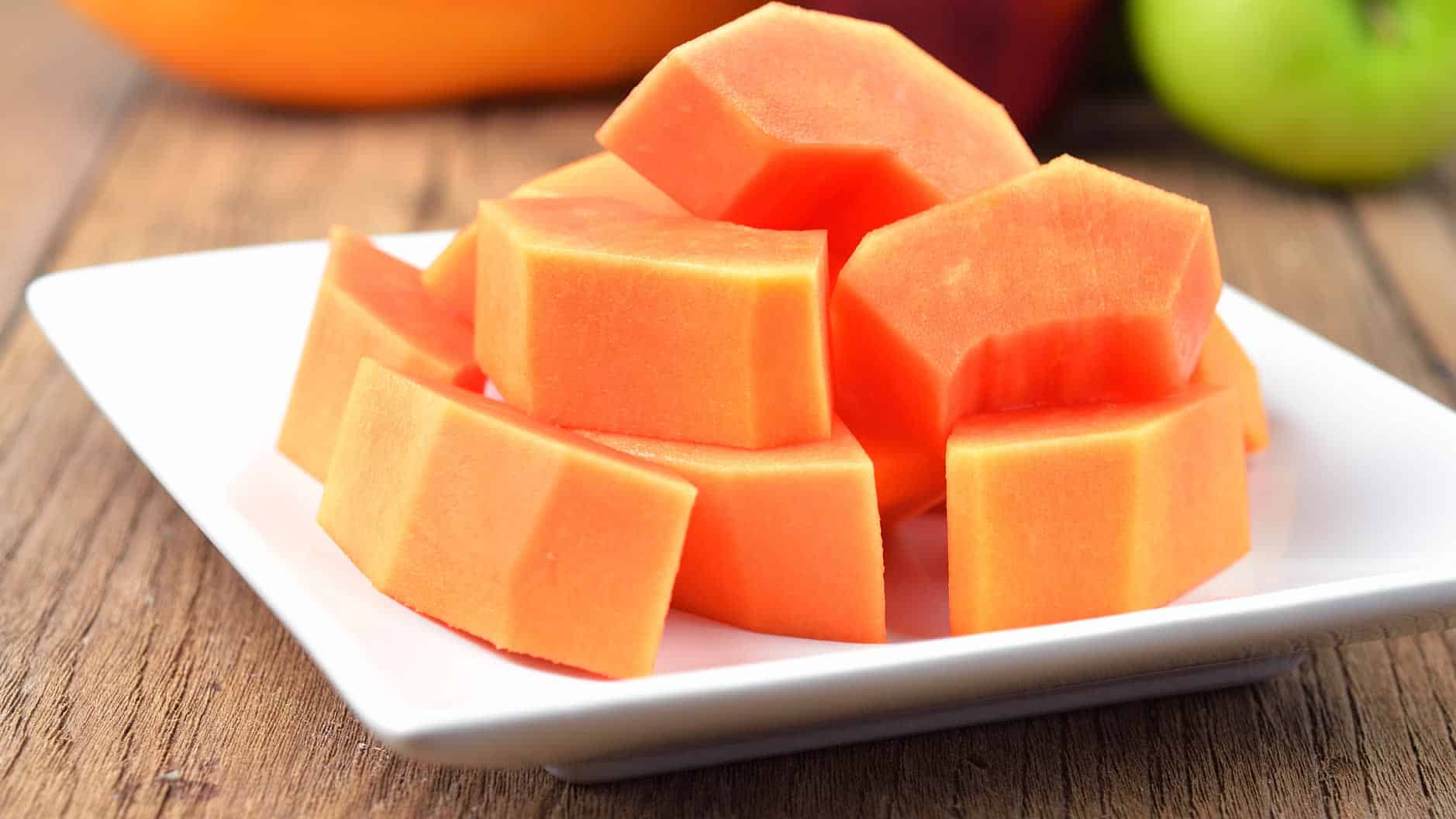
- Enzyme-rich foods like pineapple, papaya, and fermented vegetables
- Why timing matters, and when to take them for the best effect
4. 🌾 Fiber & Prebiotic Fiber
Fiber feeds the bacteria that keep you well. Most people eat less than half of what they need. The guide details:
- How prebiotic fiber fuels a thriving microbiome
- Fiber’s role in blood sugar, cholesterol, and staying full
- The different fiber types and where to find them
- How to build up your intake without the bloating
5. 🦠 Probiotics
Probiotics rebuild what modern life depletes. Antibiotics, processed food, and chronic stress all chip away at the microbiome. This section covers:
- How probiotics restore microbiome diversity and support immunity
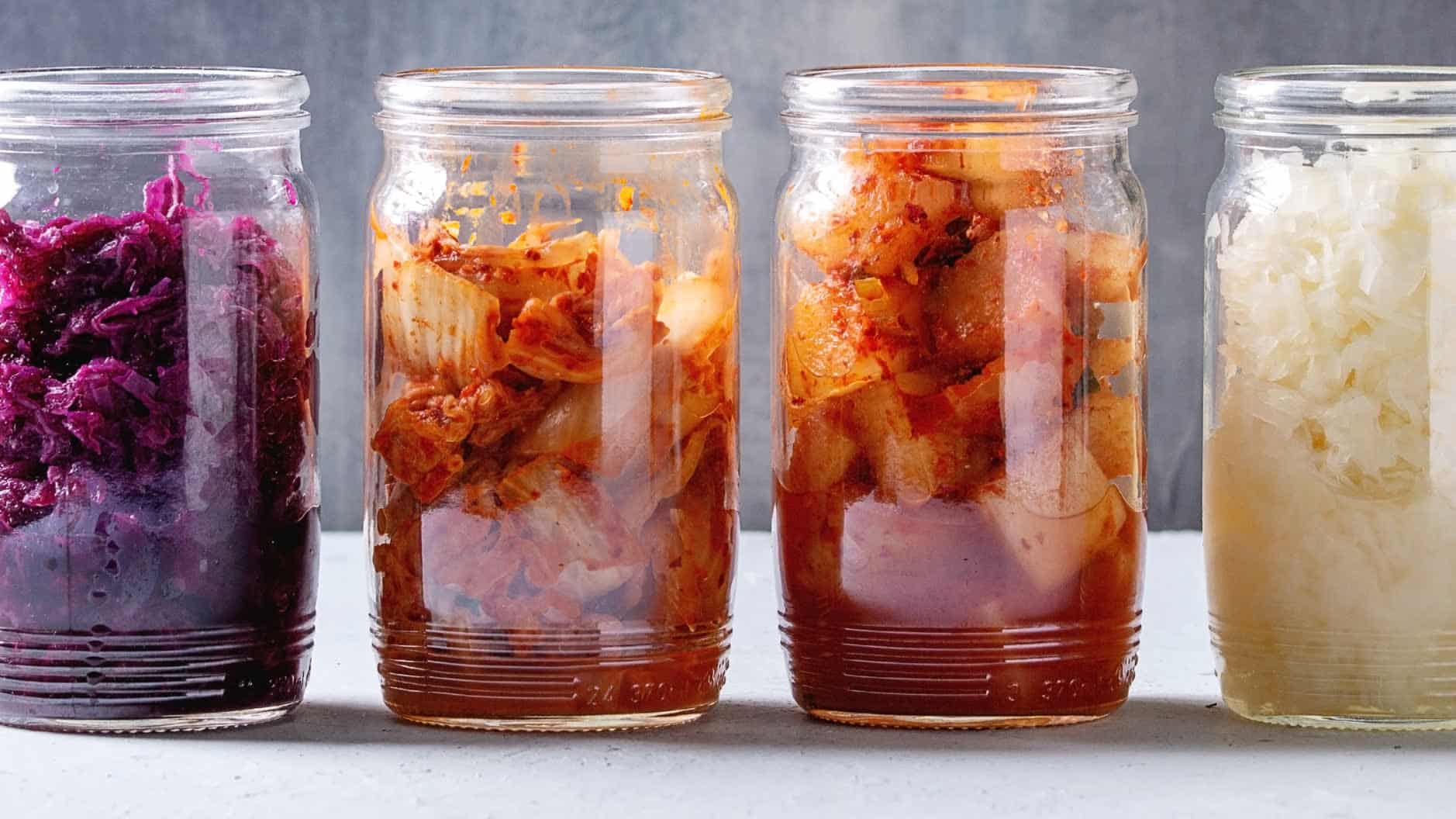
- Fermented foods that deliver beneficial bacteria naturally
- What actually matters when choosing a supplement, beyond the CFU count
- Targeted strains for specific goals, from antibiotic recovery to the gut-brain connection
🌱 It Starts in the Gut
Gut health isn’t just another wellness trend. It’s the foundation the rest of your health is built on. Get it right, and the benefits show up everywhere: clearer thinking, steadier energy, stronger immunity, and a metabolism that works with you instead of against you.
This guide gives you a practical place to begin: what to eat, what to watch for, and how to supplement wisely if you choose to. The doses here are written for adults, and it’s always worth checking with a qualified practitioner before starting something new, especially if you’re managing a health condition. Download it, keep it handy, and start where you are.
📚 Related Resources
- Guide: Vitamins 101: A Practical Guide to Vitamins for Better Health
- Guide: Minerals 101: A Practical Guide to Minerals for Better Health
- Guide: Amino Acids 101: What They Do and Why They Matter
- Guide: From A to Zinc: The Nutrient Guide
- Guide: Antioxidants & Plant Compounds: What They Do and Where to Find Them

- Back to Tools & Guides
More on: Gut Health | Nutrition | Dr. Kristina Carman