Host: Dr. Ryan Cole | Guest: Dr. Jennifer Hibberd
What if your mouth is telling you more about your overall health than you realize?
Host Dr. Ryan Cole, IMA Head of Medical & Scientific Affairs, is joined by Dr. Jennifer Hibberd, IMA Senior Fellow, Dentistry and Nutrition, to explore why oral health should be viewed as an essential part of whole-body health, not as a separate branch of medicine. Dr. Hibberd first walks through the biology connecting the mouth to the rest of the body, followed by a conversation with Dr. Cole about what these connections could mean for patients and the future of integrative healthcare.
Medicine runs the mouth as a separate department. Teeth belong to the dentist. Everything below the jaw belongs to the doctor. The two rarely compare notes, and most patients have never thought to ask why. The body never agreed to that arrangement. The mouth is in constant conversation with the immune system, the bloodstream, the gut, and the brain, and it often shows signs of trouble before any other part of the body does.
Dr. Jennifer Hibberd has spent her career on the dental side of that divide, and she argues the divide itself is the problem. In this episode of the IMA Weekly Show, she joins Dr. Ryan Cole to make the case for oral medicine, a framework that treats the mouth as an organ system in its own right rather than a place where teeth happen to sit.
Dr. Hibberd presents the biology first, from saliva and the oral microbiome to periodontal disease and the inflammatory pathways that connect the mouth to the rest of the body. Then she and Dr. Cole get into what it means for patients, and for a healthcare system that trains the two professions in separate buildings.
Meet the Experts
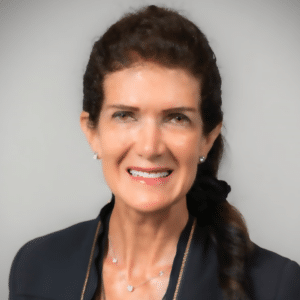
Dr. Jennifer Hibberd
IMA Senior Fellow, Dentistry and Nutrition. BSc, DDS, DPD, MRCDC, ROHP(t). Dr. Hibberd is a pediatric dental surgeon and clinician who teaches at the university level and serves as chief of dental services at a major hospital centre in Toronto. Much of her clinical work is with young families, and she has become an outspoken advocate for closing the education gap between dentistry and medicine.
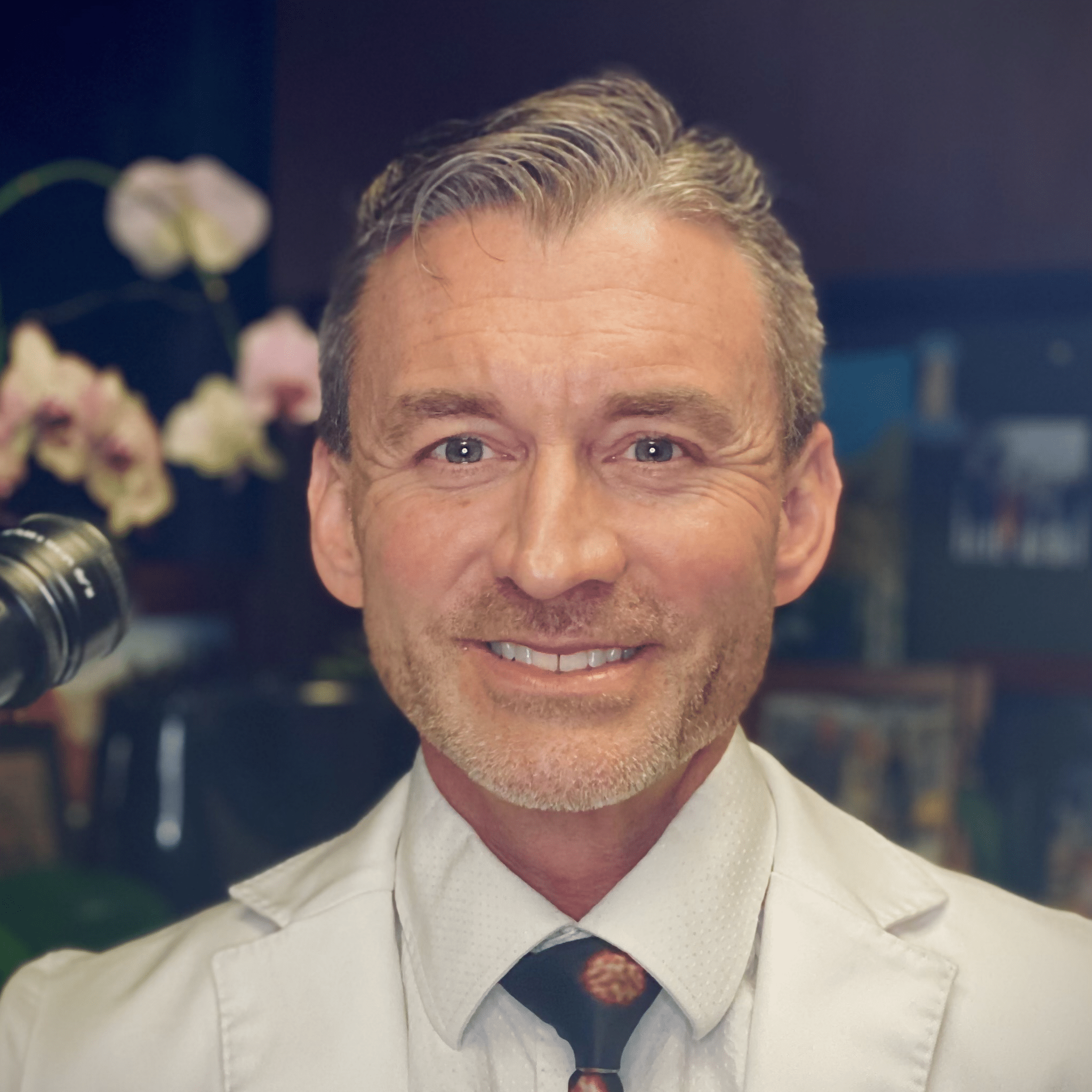
Dr. Ryan Cole
IMA Head of Medical & Scientific Affairs; Senior Fellow, Pathology; Founder, Cole Diagnostics. A board-certified anatomic and clinical pathologist, Dr. Cole brings decades of laboratory experience to this conversation, including years of oral biopsies and a tissue-level view of where oral bacteria end up in the body.
1. The Mouth Is a Diagnostic Window
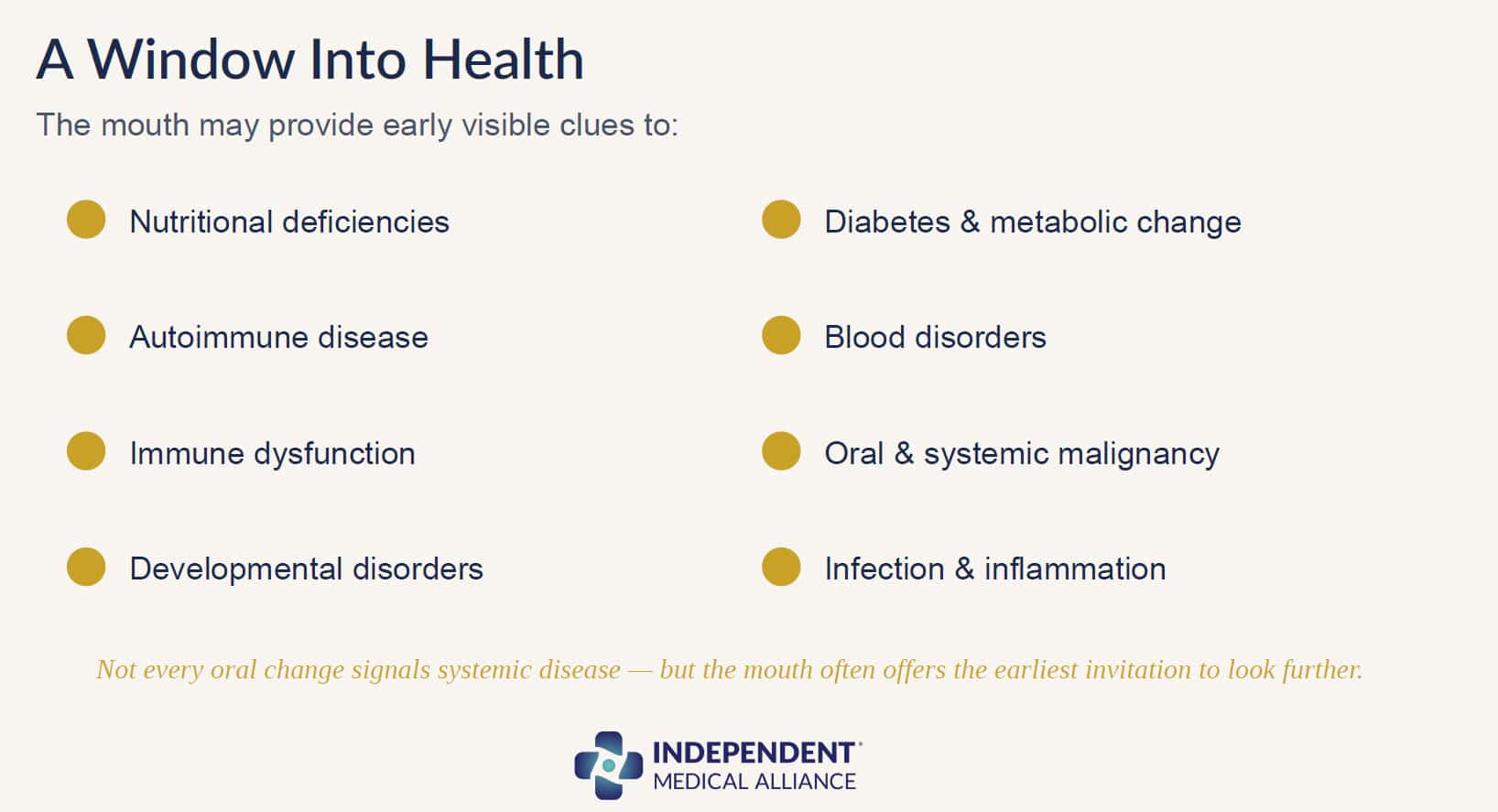
Dr. Hibberd’s opening argument is that systemic disease frequently announces itself in the mouth before it shows up anywhere else. To a trained eye, the signals are specific:
- Nutritional deficiencies: a smooth red tongue and cracked corners of the mouth point toward iron deficiency; a beefy red tongue with a burning sensation points toward B12
- Autoimmune disease: tongue fissuring in Sjögren’s syndrome, ulcers on the palate in lupus
- Diabetes: gingivitis, delayed wound healing, salivary dysfunction, burning mouth
- Blood disorders: pale gums in anemia; gum overgrowth, bleeding, and petechiae in leukemia
- Malignancy: persistent ulcers, red or white patches, and gum masses seeded from lung, breast, or other primary tumors
She gives six reasons the mouth works this way. It is easy to examine, richly vascular, densely innervated, constantly exposed to food, air, microbes, and materials, and its tissue renews fast enough to reflect change in near real time. The sixth is the one medicine tends to skip: the mouth responds to psychological state. Stress, anxiety, and shock alter saliva, pH, the microbiome, and the mucosa within hours.
Her own caveat, printed on the slide, is that not every oral change signals systemic disease. The mouth offers an early invitation to look further. Whether anyone accepts the invitation is the question this episode circles back to.
“As we move toward a predictive, preventive, personalized, and participatory framework, the clinical question expands from what is wrong with the teeth to what is the mouth telling us about the person.” — Dr. Jennifer Hibberd
2. Saliva and the Microbiome: The Mouth’s Operating System
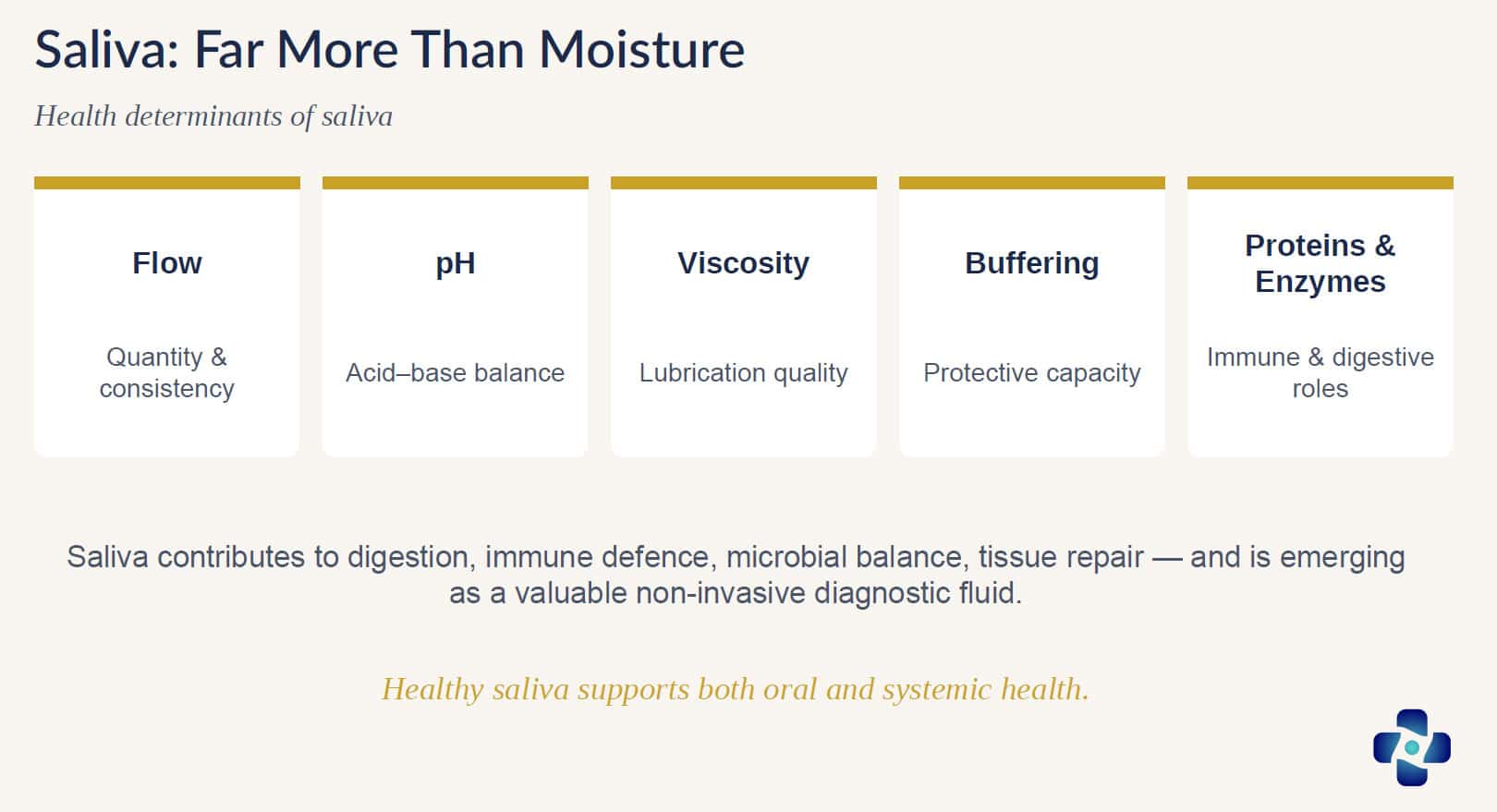
Saliva usually gets treated as plumbing. Dr. Hibberd treats it as a diagnostic fluid, and the case is stronger than most people expect:
- A pH near 5 means a demineralizing environment and enamel erosion, often driven by acidic diet, reflux, or dry mouth
- Thick, stringy saliva is a marker for Sjögren’s syndrome, cystic fibrosis, and dehydration
- Salivary alpha-amylase rises with acute stress
- Altered protein levels track systemic drivers ranging from diabetes and cardiovascular disease to Parkinson’s and Alzheimer’s
Because saliva can be collected without a needle, she expects “saliva-omics” to become part of routine diagnostics, and eventually something patients can do at home.
The microbiome argument builds on the same logic. Dr. Hibberd’s framing is that the oral and gut microbiomes are one continuous system: the mouth is the upstream end of the gut, and whatever lives there travels downstream with every swallow. That has consequences for how we treat the mouth. Antiseptic rinses like chlorhexidine kill indiscriminately, and she describes them as short-term fixes that leave the underlying imbalance untouched. Mouthwash covers up bad breath; a toothbrush removes the plaque that causes it. The goal, in her words, is a balanced, resilient microbiome, not a sterilized one.
That same logic drives her position on dental materials. Because the mouth is a living interface, anything placed there interacts with tissue and shapes the microbiome, which makes biocompatibility a materials question, not an afterthought. Her argument is that selection has to be judged on long-term biological compatibility with the whole body, not mechanical strength alone, and she points to galvanic reactions between dissimilar materials and the release of byproducts as problems the profession has not reckoned with. Amalgam and fluoride are her named examples.
“Everything you choose to put in your mouth has a profound impact on overall health, immediately and over time.” — Dr. Jennifer Hibberd

3. Periodontal Disease: The Best-Studied Case
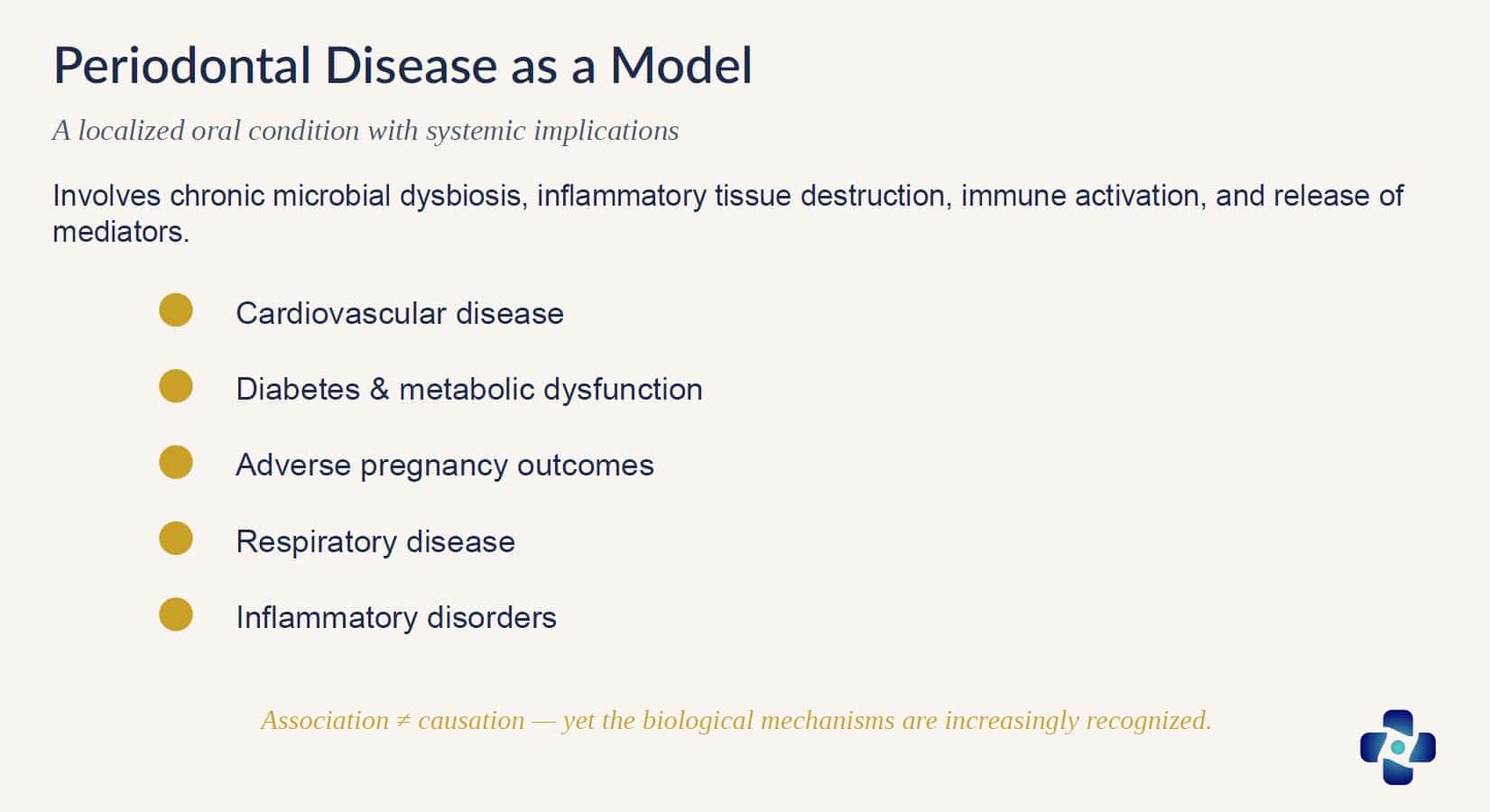
If the oral-systemic connection has a textbook case, it is gum disease. Dr. Hibberd calls periodontal disease the best-studied example of a relationship that runs in both directions, and the numbers she cites are hard to wave off:
- Cardiovascular: a 15 to 30% higher risk of coronary heart disease, stroke, and heart attack, with oral bacteria recovered from atherosclerotic plaques
- Type 2 diabetes: a 20 to 30% increased risk, and glycemic control worsens as gum disease progresses and improves as it is treated
- Pregnancy: preterm delivery and low birth weight, with a recent case report describing periodontal bacteria spreading to the placenta
The mechanism she describes is a loop. Periodontal dysbiosis pushes bacterial byproducts and inflammatory signals into circulation. Those reach the brain, disrupt insulin and leptin signaling, and worsen the insulin resistance that feeds back into the gums. She is careful to label this association rather than proven causation, but she notes that when patients get their gum disease treated, their systemic picture often improves dramatically.
Dr. Cole picks up the thread from the pathology bench. Oral organisms turn up far from the mouth: Porphyromonas gingivalis in Alzheimer’s brains and pancreatic ductal cancer, Fusobacterium nucleatum in colon cancers, Streptococcus mutans in cardiac disease. Inflamed gums open the barrier that lets those organisms into circulation.
“So many cancers are colonized with so many of these oral bacteria.” — Dr. Ryan Cole
“Understand that this is the entrance to the temple of your body. And it’s giving you a signal, and the body is so divinely intelligent that it keeps overriding the problems until eventually stuff starts breaking down.” — Dr. Jennifer Hibberd
4. Why Your Dentist and Your Doctor Are Not Talking
Dr. Cole asked the practical question: given all of this, do physicians and dentists actually collaborate? Dr. Hibberd’s answer was that in general they do not, and that universities may be worse than private practice. The split, she says, is built into the training. Medical school includes no dental education. Dental students share anatomy and physiology with medical students for two years, then the tracks separate and never rejoin.
She describes the result as one of the older breaks in a broken system, and she has spent years trying to close it locally, working with pediatricians in her area to get them looking in mouths. The institutional version of that work is harder.
Two materials come up first when she raises the subject with dental colleagues: mercury amalgam fillings and fluoride. Both are still taught intensively in dental schools, she says, and questioning either earns significant pushback. Dr. Hibberd cites research published in 1984 finding that amalgam fillings release mercury vapor continuously, not only when they are drilled or polished. Dr. Cole pointed to the funding conflicts that shaped the profession’s position, including historical ties between the American Dental Association and mercury mining interests, and to the contradiction of dentists using hazardous-material protocols to handle a substance they then place in patients’ teeth. Her guidance for patients who already have them starts with the removal itself, which she frames as a case of the frying pan and the fire. For someone with no symptoms who is simply worried, she suggests sealing over the fillings rather than pulling them out. For someone genuinely uneasy about keeping them, she would begin a staged replacement program, and she is emphatic that it be gradual: every time a tooth is disturbed it inflames the tooth and the canal, which can leave a patient with problems that outlast the filling.
On what to replace them with, she is careful not to oversell. Composite resin has already displaced amalgam for most routine fillings, and ceramics are the material clinicians are most enthusiastic about for implants, so the practical question is less whether alternatives exist than which trade-offs a patient accepts. She does not present any of the options as inert. Composite resins release compounds with a hormone-like, estrogenic effect, and in her framing every material introduced into the body challenges the immune system. That is why she lands on risk and benefit weighed case by case rather than naming a material that is simply safe.
“Dentistry should be a subspecialty of medicine. It shouldn’t be considered totally separate.” — Dr. Jennifer Hibberd

5. What You Can Do Now
The back half of the conversation and the audience Q&A turned practical. Several of these are changes you can make before your next dental appointment:
- Read toothpaste labels: Dr. Hibberd said her own review of published testing found detectable heavy metals in most toothpastes on the market, fluoridated and non-fluoridated alike, including clay-based and “natural” formulas. She looks for xylitol as a primary ingredient, a five-carbon sugar that works against the bacteria behind decay
- Drink more water: Dr. Cole’s decades of lab work suggest roughly three in four patients present dehydrated, and saliva flow, enzyme activity, and pH all depend on hydration
- Brush your tongue: every time you brush your teeth, with a scraper if you like but a toothbrush works. The papillae collect enormous bacterial loads, and a clean mouth can still produce halitosis if the tongue is ignored
- Air-dry and replace toothbrushes: do not let them sit wet, and swap them out after any illness
- Breathe through your nose: mouth breathing in children changes facial development, narrows the airway, and shifts the bacterial flora, particularly overnight
- Ask before the x-ray: digital imaging has cut exposure, but Dr. Hibberd still thinks more x-rays are taken than necessary. Her question for any clinician, dental or medical: will this image change my treatment?
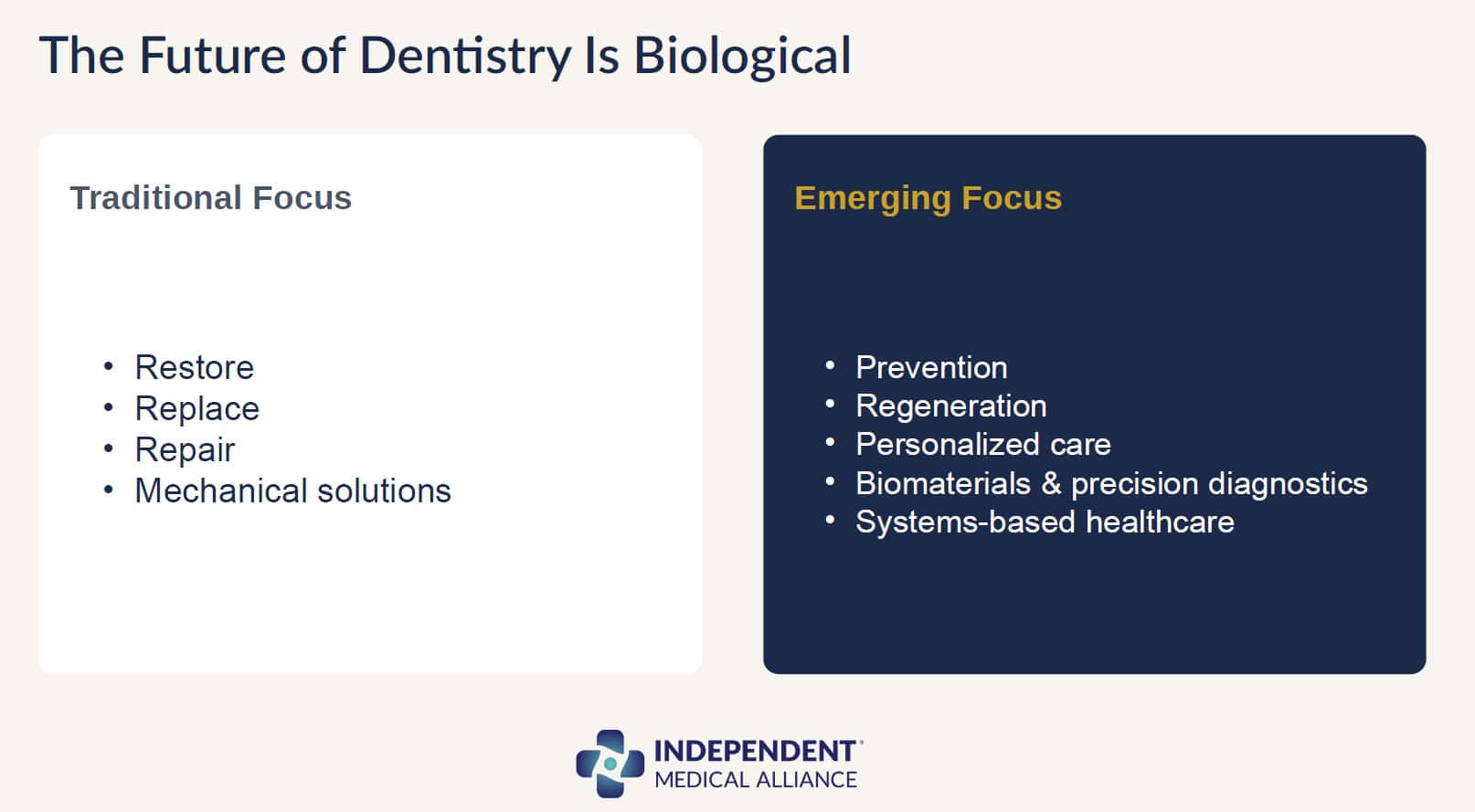
The Future of Dentistry Is Biological
Dr. Hibberd’s forward look is that dentistry is moving, slowly and against resistance, from mechanical repair toward prevention, regeneration, personalized materials, and saliva-based precision diagnostics. The destination is dental care that sits inside total patient management instead of beside it.