
Losing more hair than usual, and no one can tell you why? Download this free guide for a whole-body look at the root causes of women’s hair loss and evidence-based strategies for supporting regrowth.
Fewer than 45% of women go through life with a full head of hair, yet female hair loss remains one of the most dismissed and undertreated health concerns in medicine. Too often, it’s brushed off as “just stress” or “normal aging,” leaving women without answers and without a plan.
But hair loss is rarely random. From a functional and naturopathic perspective, thinning hair isn’t a cosmetic issue. It’s a signal from the body. Hair is non-essential tissue. When the body is under strain, hair growth is one of the first things it scales back. Understanding that reframes the conversation entirely, away from panic and toward investigation.
This guide, created by IMA Senior Fellow Dr. Kristina Carman, explores the root causes of women’s hair loss through a whole-body lens and offers evidence-informed strategies for supporting regrowth from the inside out.
📖 What’s in the Guide?
This guide covers the biology, root causes, key labs, and practical strategies for women experiencing hair loss:
- 🧩 Hair Loss Is Multifactorial, Not One-Size-Fits-All
- 🔄 The Hair Growth Cycle & Why Timing Matters
- 💡 Telogen Effluvium: A Common But Misunderstood Pattern
- 🌿 Root Causes: Looking Beneath the Surface
- 🔬 Labs, Patterns & Clues: Reading Between the Lines
- 🥩 Foundational Nutrition for Hair Regrowth
- 🧘 Lifestyle: Creating a Growth-Friendly Environment
- 🧪 Targeted Support Options: Tools, Not Shortcuts
1. 🧩 Hair Loss Is Multifactorial, Not One-Size-Fits-All
Hair loss in women is rarely caused by a single factor. It’s usually driven by a combination of:
- Nutrient status and absorption
- Hormonal changes across life stages
- Stress and nervous system load
- Thyroid and metabolic health
- Inflammation or immune dysregulation
- Gut health and digestion
Two women can experience similar patterns for very different reasons, which is why blanket advice and “miracle products” so often fall short.
2. 🔄 The Hair Growth Cycle & Why Timing Matters
The guide breaks down the three phases of hair growth (anagen, catagen, and telogen) and why this matters for setting expectations. A key insight: hair loss today usually reflects something that happened 8–16 weeks ago, including illness, surgery, emotional stress, rapid weight loss, or hormonal transitions. By the time shedding becomes visible, the original trigger may already feel “resolved,” which is why hair loss often feels sudden or mysterious.
3. 💡 Telogen Effluvium: A Common But Misunderstood Pattern
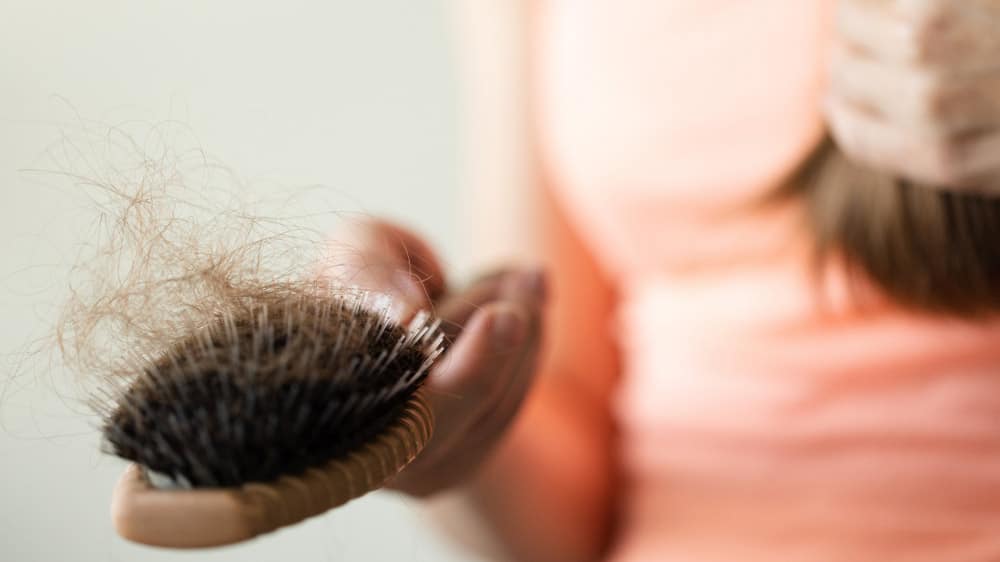
Telogen effluvium occurs when a large number of hairs shift into the resting phase at once, and it’s one of the most common hair loss patterns in women. While alarming, it’s often reversible once underlying drivers are addressed. The guide sets realistic expectations: early improvements show up as reduced shedding and better texture long before visible regrowth. Hair regrowth is measured in months, not weeks.
4. 🌿 Root Causes: Looking Beneath the Surface
This is the heart of the guide. Dr. Carman explores five major root-cause categories:
- Nutrient depletion: low ferritin, zinc, B12, protein, and vitamin D (often missed when labs look “normal”)
- Hormonal shifts: postpartum, coming off birth control, perimenopause, thyroid imbalance, androgen sensitivity
- Stress & nervous system load: emotional, physical, and metabolic stress that diverts resources from growth
- Inflammation & immune activation: autoimmunity, gut-driven inflammation, food sensitivities, histamine activation
- Gut health & absorption: compromised digestion means nutrients aren’t reaching the follicle, even with a good diet
5. 🔬 Labs, Patterns & Clues: Reading Between the Lines
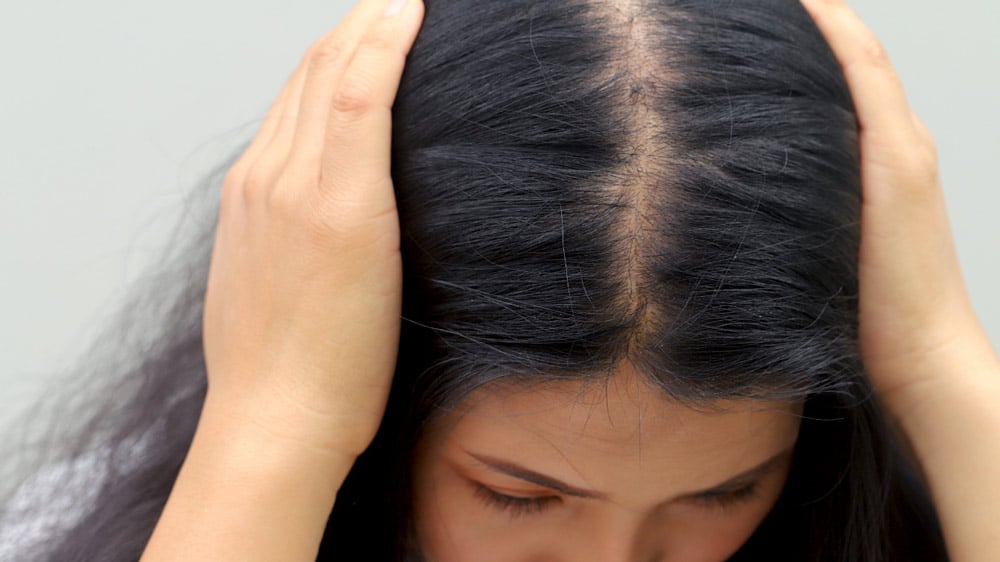
Many women are told their labs are “normal,” but standard reference ranges detect disease, not what’s optimal for hair growth. Key markers covered include:
- Ferritin: low-normal levels are one of the most common patterns in women with shedding
- B12 & folate: essential for cell division and tissue regeneration
- Vitamin D: plays a role in follicle cycling and immune regulation
- Thyroid panel: hair follicles are highly thyroid-sensitive, even when labs are “in range”
- Inflammatory markers: chronic low-grade inflammation can quietly suppress growth
The guide emphasizes that patterns over time often matter more than any single number.
6. 🥩 Foundational Nutrition for Hair Regrowth
Hair growth is metabolically expensive. The nutritional non-negotiables include:
- Adequate protein: especially at breakfast; hair is made of keratin and requires consistent amino acid intake
- Iron-rich foods + cofactors: paired with vitamin C and copper for absorption
- Omega-3 fats: for scalp circulation and anti-inflammatory signaling
- Blood sugar balance: frequent dips act as a stress signal that can accelerate shedding

7. 🧘 Lifestyle: Creating a Growth-Friendly Environment
- Sleep: growth hormone and tissue repair are driven during sleep; chronic deprivation is a powerful hair growth inhibitor
- Gentle strength training: more supportive for hair health than excessive cardio when stress is already high
- Nervous system regulation: breathwork, walking, time outdoors; hair follicles respond to perceived safety
- Scalp care: gentle washing, daily scalp massage for circulation and follicle stimulation
8. 🧪 Targeted Support Options: Tools, Not Shortcuts
The guide covers targeted tools, all framed as supplements to foundations, not replacements:
- Nutrients & botanicals: iron, zinc, B-complex, silica, saw palmetto, adaptogens
- Topicals: caffeine serums, rosemary oil, peptide-based topicals, minoxidil
- Peptides & advanced options: copper peptides, BPC-157, KPV (practitioner-guided)
- Light & regeneration therapies: red light therapy, gentle microneedling protocols
Supplements and tools are most effective when guided by symptoms, labs, and history, not trends.
Related reading: Check out our companion guide on men’s hair loss and the complete guide to Women’s health: