Up to 40% of cancers are preventable with nutrition and lifestyle. Download Dr. Kristina Carman’s free guide to evidence-based cancer prevention strategies.
Cancer is the second leading cause of death worldwide, claiming nearly 10 million lives every year—but research shows that up to 40% of cancers are preventable through changes in diet and lifestyle. Despite this, prevention often gets overshadowed by treatment, leaving people without clear guidance on what practical steps they can take.
In this comprehensive guide, IMA Senior Fellow Dr. Kristina Carman lays out evidence-based strategies to reduce cancer risk. From the foods you choose to the habits you build each day, these small, consistent actions can strengthen your body’s natural defenses. Available as a free PDF download, the guide offers an actionable roadmap for prevention, and below, Dr. Carman shares her full article to help you understand why these steps matter and how to start today.
The Power You Hold in Cancer Prevention
Imagine knowing you have the ability to meaningfully lower your risk of developing cancer—through everyday choices you make about what you eat, how you live, and how you care for your body. While there’s no single superfood or magic habit that guarantees prevention, there’s a growing body of evidence showing that diet, lifestyle, and environmental choices can influence your cancer risk more than most people realize.
According to the World Cancer Research Fund International, cancer prevention strategies extend far beyond avoiding tobacco and sunburns. They include:
- Maintaining a healthy weight
- Staying physically active
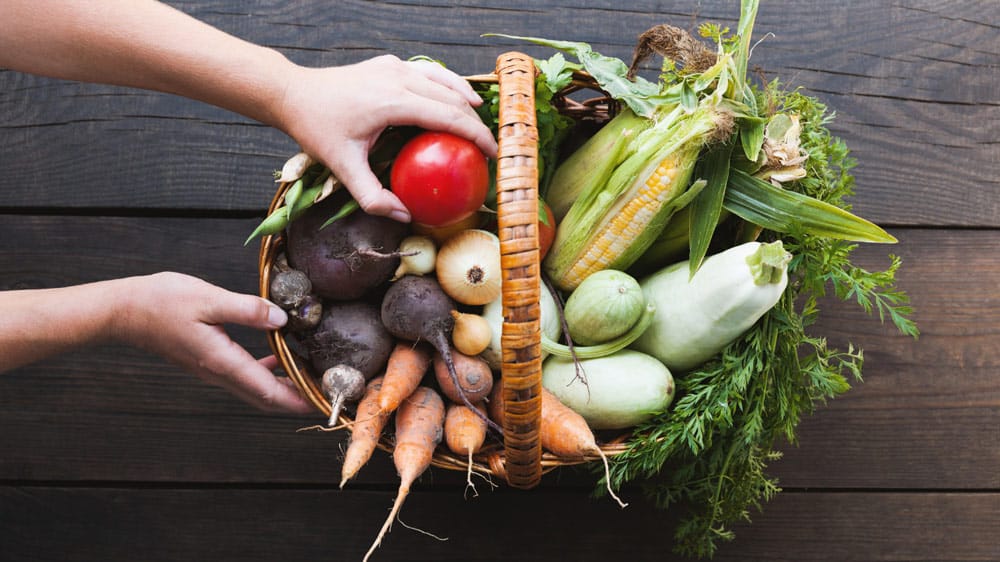
- Eating a nutrient-dense, plant-forward diet
- Limiting “fast foods” and ultra-processed products
- Reducing red and processed meats
- Minimizing sugary drinks
- Limiting alcohol
- Avoiding unnecessary toxin exposures
The strategies we’ll explore here are not only supportive for cancer prevention—they also help lower your risk for other chronic diseases such as heart disease, diabetes, and high blood pressure.
Understanding the Cancer–Lifestyle Connection
Cancer begins when healthy cells develop mutations that disrupt normal growth and division, often influenced by genetics, environmental exposures, and inflammation. While not all risk factors are within our control, nutrition and lifestyle offer powerful ways to create an internal environment—or “terrain”—that is less favorable for cancer development.
A nutrient-rich diet can:
- Regulate inflammation
- Support immune surveillance
- Optimize detoxification
- Maintain healthy body composition
- Promote stable blood sugar and hormone balance
Eat to Lower Your Risk
A cancer-preventive diet is one that is:
- Rich in plants: Prioritize non-starchy vegetables, fruits, legumes, nuts, seeds, and whole grains for fiber, antioxidants, and phytochemicals.
- Balanced in protein: Include quality plant and/or animal proteins to preserve muscle mass, maintain satiety, and stabilize blood sugar.
- Low in ultra-processed foods: Reduce intake of products high in added sugars, refined starches, industrial oils, and artificial additives.
- Mindful with meats: Limit red meat to 2–3 servings per week and avoid processed meats where possible.
- Hydrating: Choose water, unsweetened tea, and coffee (without excess sugar) as your main beverages.
Daily goal: Aim for at least 5 servings of non-starchy vegetables, 2–3 servings of fruit, and ~30g of dietary fiber from whole food sources.

Lifestyle Beyond the Plate
Prevention isn’t only about food—how you live day to day matters too:
- Sleep: Prioritize 7–9 hours of restorative rest to support melatonin production, which has anti-cancer properties.
- Movement: Engage in daily physical activity and incorporate strength training to support metabolism, immune health, and hormone regulation.
- Stress management: Chronic stress and elevated cortisol can weaken immune defenses—practice mindfulness, breathwork, or gentle movement like yoga.
- Sunlight & circadian health: Get morning light exposure to regulate circadian rhythm and support vitamin D status.
- Toxin awareness: Reduce exposure to endocrine disruptors and carcinogens by minimizing plastic use, choosing organic when possible, and filtering drinking water.
Smart Supplement & Herbal Support
For some, targeted supplements and botanicals can offer additional support—always under the guidance of a qualified practitioner. Examples include:
- Vitamin D for immune modulation
- Omega-3 fatty acids for inflammation balance
- Curcumin for cellular health
- Green tea extract (EGCG) for anti-angiogenic support
- Medicinal mushrooms for immune modulation
- Sulforaphane for detoxification pathway activation

Conclusion
Cancer prevention is not about perfection—it’s about consistent, supportive habits that protect your cellular health over time. By nourishing your body with whole, vibrant foods, staying active, resting well, and reducing toxin exposures, you create a biological terrain that is more resilient, balanced, and inhospitable to cancer.
Small, sustainable changes—applied consistently—can transform your long-term health. You hold more power than you think.
For more cancer resources, get started with the list below:
- Free Book: Cancer Care: The Role of Repurposed Drugs & Metabolic Interventions
- Post and Guide: The 10 Deadliest Cancers—and How to Stop Them
- Blog Post: Alternative Cancer Treatments: 18 Proven Interventions
- Blog Post: $14 Billion Later, Cancer Is Worse Than Ever. Where Did the Money Go?
- Conference Video: Cancer: Emerging Research and Therapies