A guide to men’s hair loss and body image, exploring hormonal, metabolic, and nutritional root causes—plus functional testing and natural strategies for hair and overall health.
Hair loss is often framed as an inevitable part of aging or, worse, a cosmetic issue men are expected to shrug off. But for many men, thinning hair or early balding isn’t superficial at all. It can quietly affect confidence, self-image, and even how a man shows up in his work, relationships, and daily life.
More importantly, hair loss is rarely just about hair. As this guide makes clear, it is often a visible signal of deeper internal dynamics, including hormonal shifts, chronic stress, inflammation, nutrient deficiencies, metabolic health, and gut function. When those systems are under strain, hair follicles—highly sensitive micro-organs—are often the first to reflect it.
A Guide to Men’s Hair Loss & Body Image, created by IMA Senior Fellow Dr. Kristina Carman, takes a whole-body, functional approach to understanding why hair loss happens and what men can do about it. The goal isn’t just hair preservation. It’s restoring resilience, vitality, and confidence from the inside out.
📖 What’s in the Guide?
This guide walks through the biology, root causes, and practical considerations behind male hair loss, including:
- 🧠 The Biology of Hair Loss: Hormones, Inflammation & Stress
- 🔬 Functional Considerations: A Bigger Picture
- 🧬 Beyond Genetics: Gut, Nutrients & Hormones
- 🌿 Natural Approaches for Hair Regrowth
1. 🧠 The Biology of Hair Loss: Hormones, Inflammation & Stress
Hair follicles operate at the intersection of hormones, circulation, immune signaling, and nutrient delivery. When that balance is disrupted, the hair growth cycle shifts prematurely from growth (anagen) to shedding (telogen).
This section explains key biological drivers, including:
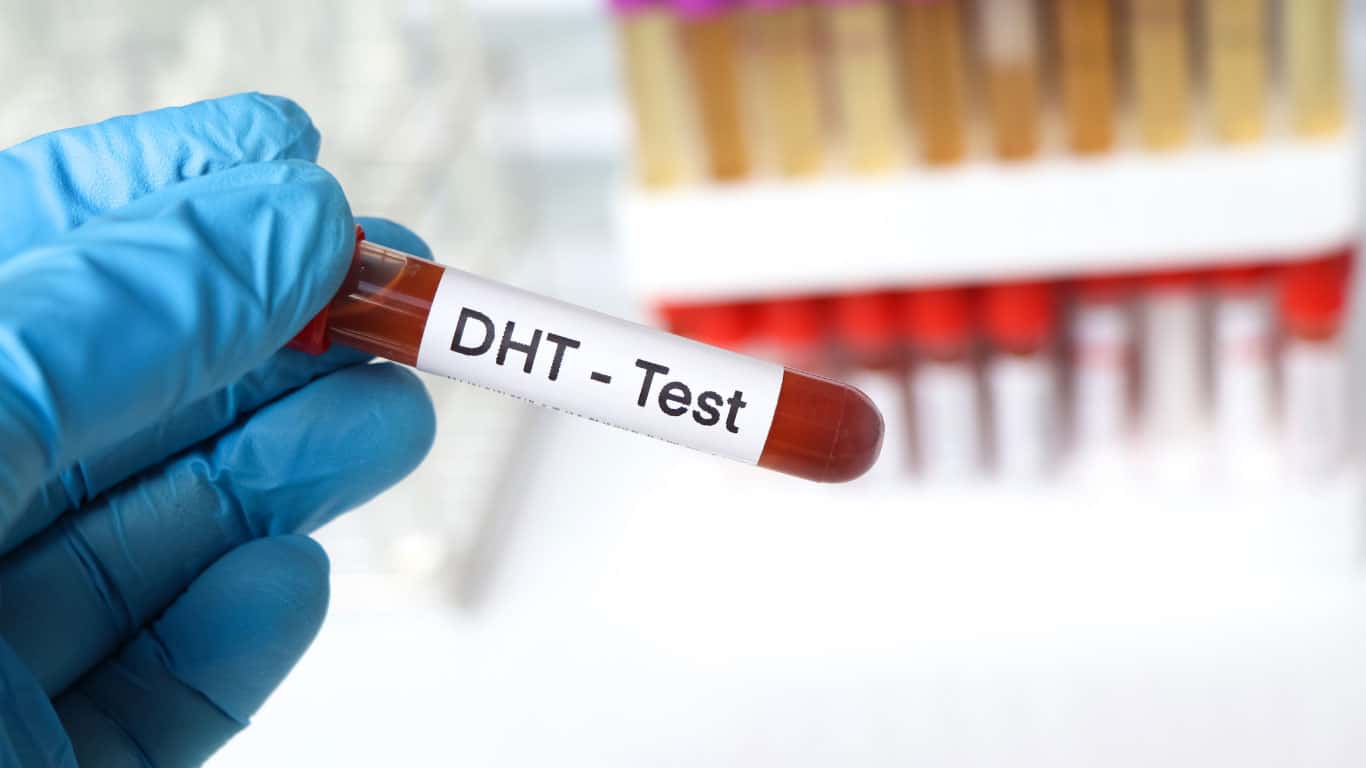
- DHT (dihydrotestosterone) and its role in androgenic alopecia
- 5α-reductase activity, which increases local DHT production in susceptible follicles
- Chronic stress and cortisol dysregulation, which reduce scalp blood flow and alter hormone metabolism
- Inflammation and immune signaling, including cytokines associated with balding scalp tissue
Rather than treating hair loss as an isolated scalp issue, this section reframes it as a downstream effect of systemic stressors acting over time.
2. 🔬 Functional Considerations: A Bigger Picture
While DHT often gets the blame, it’s rarely acting alone. This section outlines overlooked contributors that influence follicle health and resilience, including:
- Impaired detoxification and oxidative stress, which can amplify inflammation
- Subclinical thyroid imbalances, even when labs appear “normal”
- Micronutrient depletion, including iron, zinc, vitamin D, biotin, and selenium
- Metabolic dysfunction, such as insulin resistance and elevated blood sugar
- Sleep and circadian disruption, which affects hormone rhythms critical to hair cycling
The takeaway is simple but powerful: hair loss often mirrors deeper metabolic and inflammatory patterns that affect far more than appearance.
3. 🧬 Beyond Genetics: Gut, Nutrients & Hormones
Genetics may load the gun, but environment and physiology pull the trigger. This section moves past the “you’re just predisposed” narrative and focuses on modifiable factors that influence hair growth capacity.
Key areas covered include:
- Nutritional deficiencies, with a focus on ferritin, zinc, vitamin D, B-vitamins, protein, and iron absorption
- Thyroid function, including free T3, reverse T3, and autoimmune markers
- Gut health and absorption, addressing dysbiosis, low stomach acid, leaky gut, and immune activation
- Functional lab testing, to identify hidden contributors that standard panels often miss
By restoring the internal terrain, men can support not only hair follicles—but energy, metabolism, and long-term health.
4. 🌿 Natural Approaches for Hair Regrowth
Rather than suppressing symptoms, integrative strategies aim to support follicle biology while minimizing unintended consequences.
This section explores:
Internal support
- Saw palmetto, pumpkin seed oil, zinc, biotin, silica
- Iron and L-lysine for oxygen delivery and collagen support
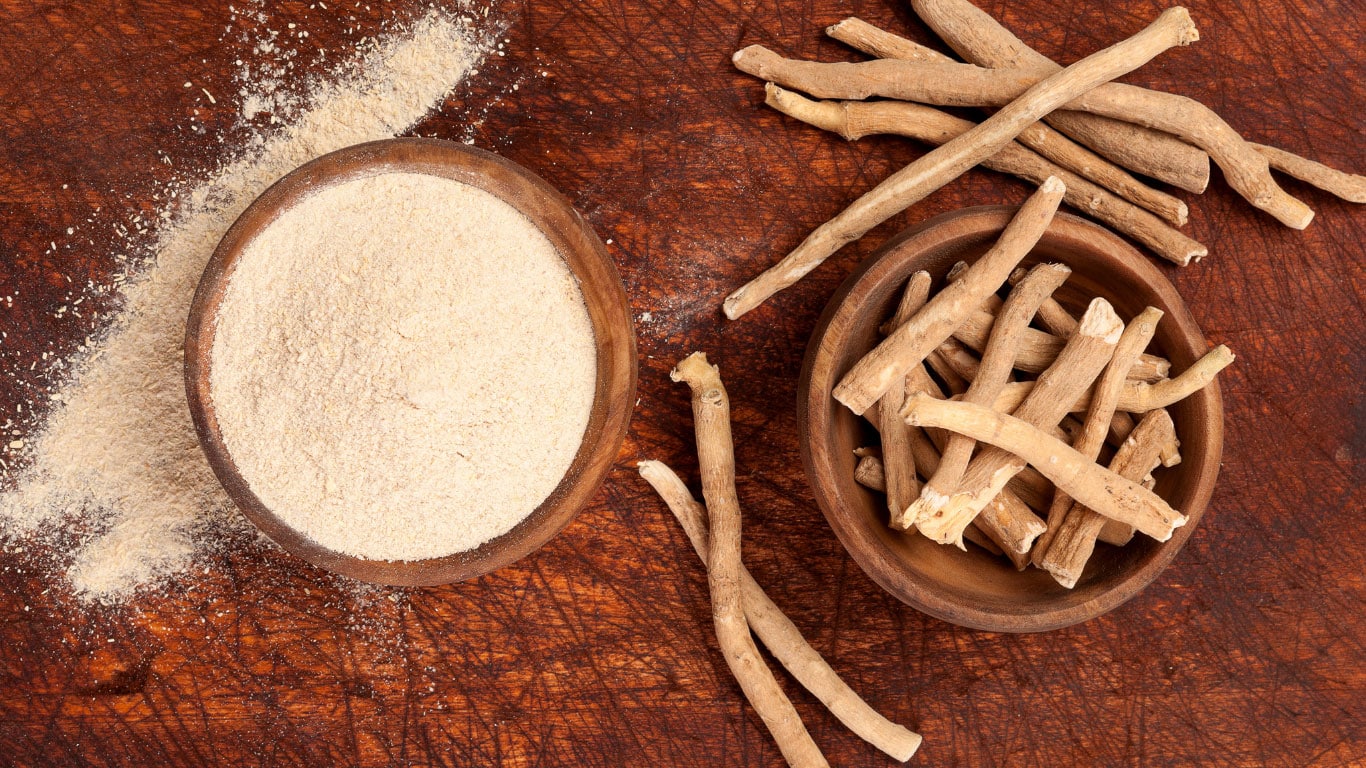
- Adaptogens like ashwagandha and rhodiola for stress-related shedding
Topical and supportive therapies
- Rosemary oil, caffeine-based solutions, and peppermint oil
- Red light therapy, microneedling, and gentle scalp massage
Clear cautions are included around layering treatments, medication interactions, and the importance of addressing systemic issues before relying on topicals alone.
Addressing Hair Loss at the Root
Hair loss is often treated as a cosmetic inconvenience or an unavoidable consequence of aging. But as this guide shows, it is more accurately understood as a visible signal of deeper physiological patterns involving hormones, stress, inflammation, nutrient status, metabolism, and gut health.
By taking a whole-body, functional approach, men can move beyond symptom suppression and begin addressing the underlying contributors that influence hair follicle health over time. The same systems that affect hair growth also shape energy, resilience, and long-term wellbeing.
📥 Download the Full Guide + explore our other men’s health tools below:
- Guide to Men’s Preventative Health & Screenings: Essential Tests for Health
- Understanding Men’s Reproductive Health: Sperm Health, Testing, Nutrition, and Natural Support
- Understanding Men’s Sexual Health: A Whole-Body Approach to Sexual Function
- Men’s Mental Health: Root Causes, Resilience & Real-World Tools
- Men’s Hormone Health: Testosterone, Balance & the Path to Lasting Vitality
- Prostate Health: Smarter Screening, Root Causes & Lifestyle Strategies That Work
- Men’s Heart Health: Markers, Myths & Strategies That Matter
- 5 Top Men’s Health Issues Guys Need to Know