
New studies by IMA researchers Matthew Halma, Dr. Paul Marik, Dr. Joseph Varon, and Dr. JP Saleeby spotlight integrative care and herbal medicine as promising tools for chronic pain and opioid use disorder.

Chronic pain and opioid dependence remain among the most pervasive and destructive challenges in modern medicine. Millions of people continue to suffer, and that’s not from lack of care but from the limits of conventional treatment models.
Now, two new studies from IMA’s research team—authored by Matthew Halma, Dr. Paul Marik, Dr. Joseph Varon, Dr. JP (Yusef) Saleeby and collaborators—offer evidence-based alternatives that emphasize whole-person healing through integrative care and natural therapeutics.
These findings point to a fundamental shift in how chronic pain and opioid use disorder are addressed, moving away from symptom suppression and toward integrative healing that considers the whole person.
“The significance of these publications lies in their potential to reshape pain management and addiction treatment paradigms.” — Matthew Halma, IMA Director of Research
The Published Studies
Integrative Chronic Pain Management: A Narrative Review – Authored by Matthew Halma, Paul Marik, Yusuf Saleeby, Joseph Varon, and Jack A. Tuszynski
Therapeutic Potential of Herbalism for Opioid Use Disorder – Authored by Matthew Halma, Christoph Hesse, Edgar Selem, and Joseph Varon
Chronic Pain Is on the Rise—But So Are the Alternatives
Chronic pain affects an estimated one in five adults in the United States, often leading to long-term dependence on prescription opioids. Despite decades of pharmaceutical intervention, outcomes have stagnated, and addiction has surged.
The new studies led by IMA researchers demonstrate that integrative medicine and herbal therapeutics offer credible, science-based pathways to relief. These findings align with IMA’s mission to advance independent, data-driven research that supports both patients and clinicians seeking safer, more sustainable care.
What the Studies Show
Study 1: Integrative Chronic Pain Management
Published in the Journal of Multiscale Neuroscience, this comprehensive review highlights multimodal, patient-centered strategies that target the biological, psychological, and social roots of chronic pain.
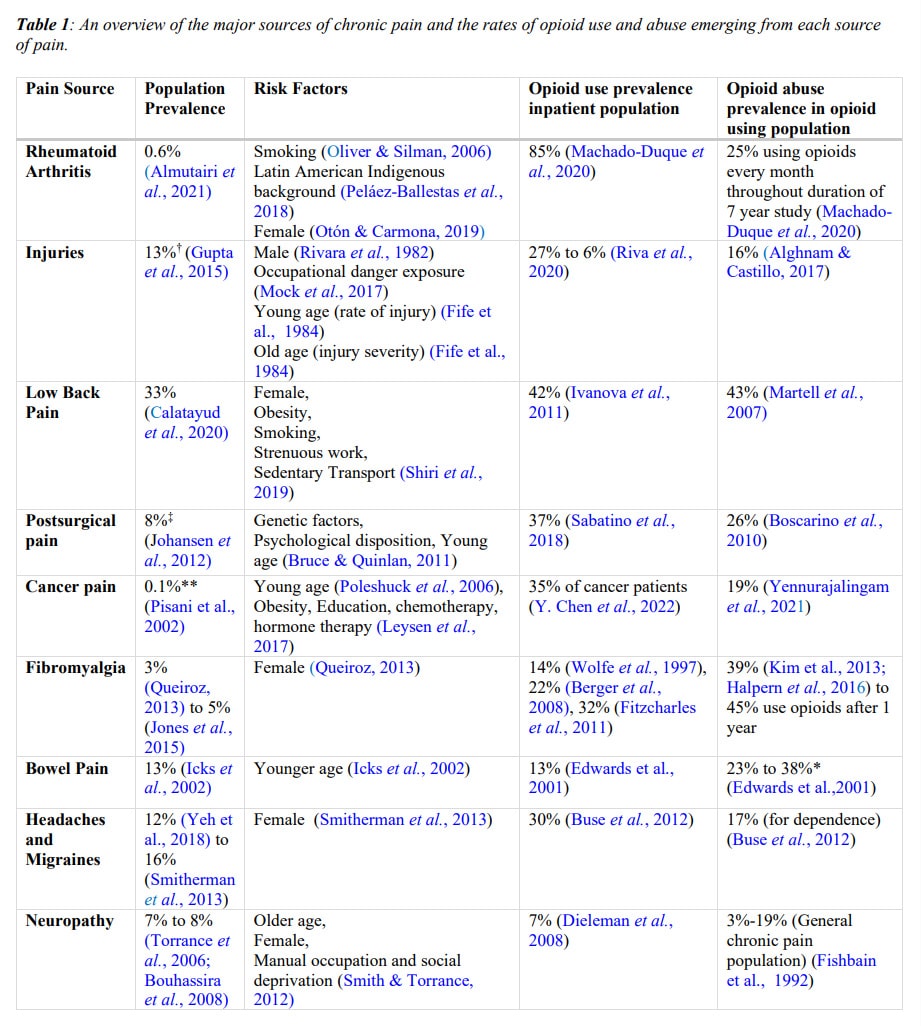
The authors emphasize that the majority of chronic pain can be traced to identifiable causes, including:
- Arthritis
- Musculoskeletal pain
- Postsurgical pain
- Cancer-related pain
- Fibromyalgia
- Migraines
- Neuropathic pain
The analysis covers randomized controlled trials and meta-analyses supporting interventions such as:
- Dietary interventions
- Lifestyle modifications
- Acupuncture
- Massage
- Photobiomodulation therapy
Results show measurable improvement across the above-listed conditions and show that comprehensive care models can meaningfully reduce pain and restore function—especially when they address the root causes, not just the symptoms.
Study 2: Herbalism and Opioid Use Disorder
Appearing in the International Journal of Addiction Research (Revista Internacional de Investigación en Adicciones), this complementary paper investigates herbal interventions for opioid dependence, emphasizing natural compounds that mitigate withdrawal symptoms, calm cravings, and restore neurochemical balance.
The findings demonstrate that several herbs and nutraceuticals are associated with significant decreases in withdrawal symptoms, potentially making them useful in the treatment of opioid use disorder (OUD). Among the most promising are:
- Saffron
- Berberine
- Nigella sativa (black seed)
- Corydalis extract
These four botanicals are of particular interest in IMA’s ongoing efforts to evaluate safe, accessible alternatives to conventional OUD treatments. Collectively, these findings reveal a growing body of evidence supporting herbalism as an adjunctive tool for addiction recovery, bridging neuroscience and traditional medicine.

Toward a New Standard of Care
Together, these studies call for a paradigm shift: from a reactive, drug-centered model to integrative, personalized medicine that empowers patients and clinicians alike.
Dr. Paul Marik and Dr. Joseph Varon, as IMA co-founders, have long championed the need for independent, transparent research that examines both conventional and natural interventions on equal footing. This work continues that mission, offering a roadmap toward safer, evidence-based care.
In addition to our work in external publications, this past year (2025) saw the launch of “The Journal of Independent Medicine,” of which Dr. Varon is the editor-in-chief and Matthew Halma is the assistant editor. This platform allows us to build a safe haven for honest and transparent medical research, all free from any corrupting influence.
A Timely Solution for a Global Crisis
Chronic pain and opioid addiction know no borders. But with solutions like these, we might be closer to a scalable solution to a vast problem impacting millions. Integrative therapies are accessible, low-cost, and adaptable across cultures and healthcare systems.
The next step is clear: expanding this research through large-scale clinical trials and collaborative networks that unite clinicians, researchers, and policymakers behind a shared goal: improving quality of life without dependence on opioids.
IMA continues to produce meaningful and actionable medical research aimed at upping the standard of care across a range of chronic ailments. Want to learn more? Have a look at the posts below: