Host: Dr. Paul Marik | Guests: Jane McLelland
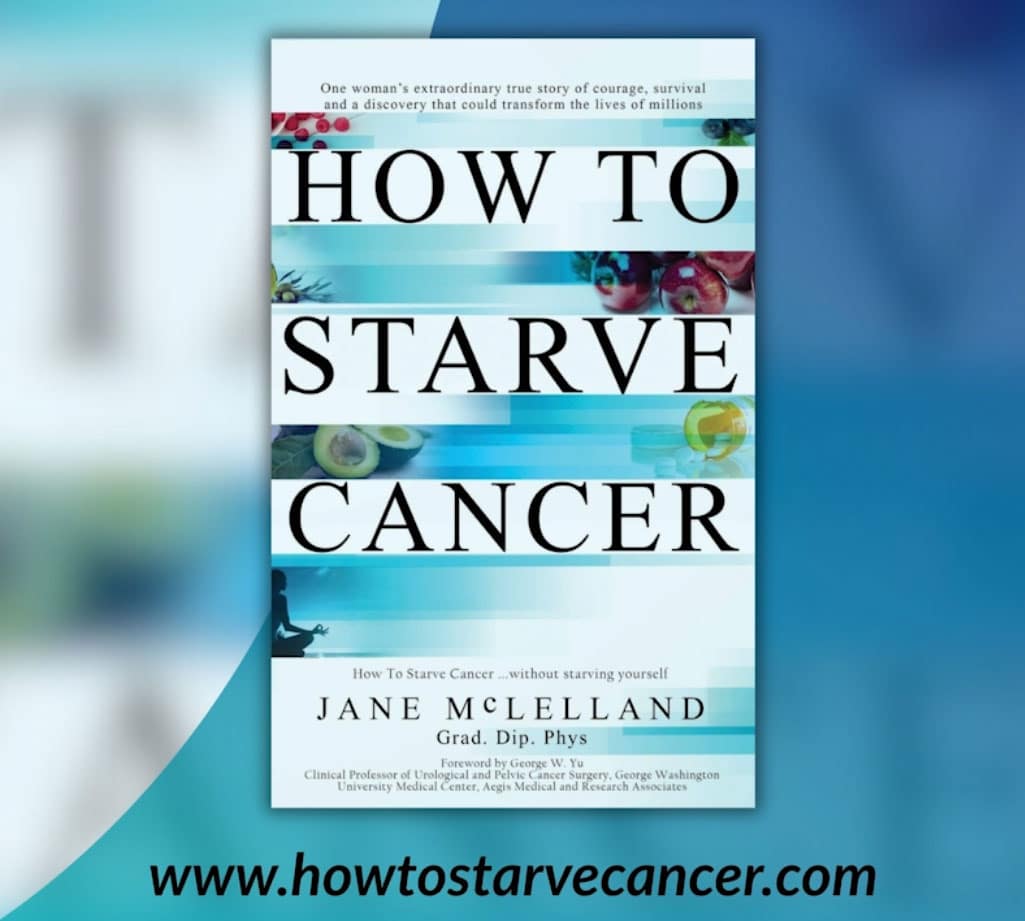
Cancer is a metabolic disease, and understanding metabolism opens new paths to hope, clarity, and patient empowerment. This Wednesday, Dr. Paul Marik sits down with international bestselling author and stage IV cancer survivor Jane McLelland for an inspiring and practical discussion on how cancer hijacks metabolic pathways—and what patients can do to take back control. Jane will share her personal journey, the science behind her metabolic approach, and the discoveries that shaped her bestselling book How to Starve Cancer.
Together, they’ll explore how nutrition, mitochondrial health, metabolic pathways, and repurposed therapies influence cancer outcomes, while breaking down why certain cancers depend on specific nutrient “feeds” and how metabolism shapes treatment response. Join us for a hopeful, science-driven conversation that empowers patients with clarity, strategy, and actionable steps.
Cancer isn’t just “bad genes.” In this IMA Weekly Show, Dr. Paul Marik sits down with Jane McLelland—stage IV cancer survivor, patient-researcher, and author of How to Starve Cancer—to unpack a metabolic framework many patients find empowering: identify how a cancer is fueling itself, then strategically block those pathways.
The conversation opens with a reminder of why this matters for real people. Dr. Marik shares a clip from Dale Atkinson’s stage IV to remission story—his markers, his symptoms, his decision to decline chemotherapy, and the moment he learned his tumor and metastases had vanished—then uses it to frame the evening’s theme: changing the way patients and clinicians think about what’s possible when you target cancer metabolism.
Meet the Expert: Jane McLelland
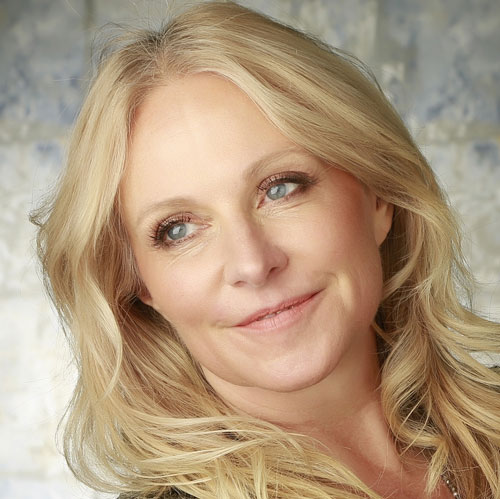
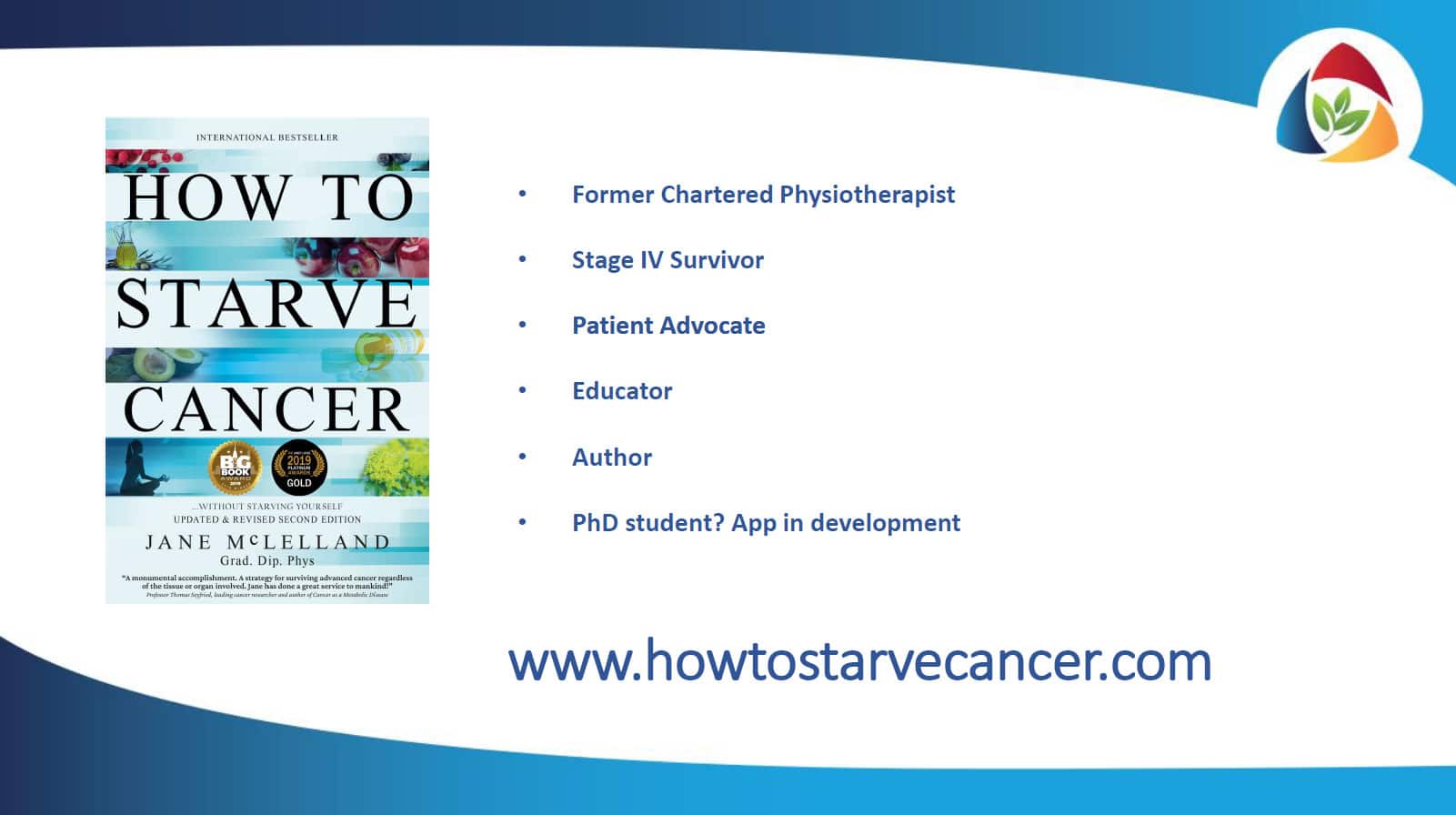
Jane McLelland is recognized globally as an authority on cancer metabolism. She is a long-term survivor of stage IV cancer, a former Chartered Physiotherapist, and the international bestselling author of How To Starve Cancer. Her work has helped patients and clinicians better understand how cancer rewires metabolic pathways—and how a multi-pathway approach may improve outcomes.
- Explore Jane’s work at How to Starve Cancer
- Find her book on How to Starve Cancer (Amazon)
“Jane’s book set me on the path I’m on.”
For those of us who’ve been following Dr. Marik’s work on cancer, you can almost trace a straight line from IMA’s Cancer Resource Hub back to his foundational Cancer Care Monograph. What most people don’t know is that you can keep following that line further back to Jane McLelland’s work.
“It was actually Jane’s book and an interview with Jane that got me on the current path that I’m on… I’d never heard of repurposed drugs and starving cancer. It’s just not what I was taught at medical school… So I read her book, which was fascinating… and I have to thank her for setting me on the journey that has become fascinating.”
Why Single Approaches Fail: Cancer Rewires
Jane’s central argument is that cancers don’t stay still. They adapt, reroute, and compensate, which is one reason patients can hit resistance with chemo, radiation, immunotherapy, or targeted drugs.
“Cancer rewires. And this is why we have resistance… Because the cancer is rewiring its metabolism.”
Her model is meant to help patients and clinicians think in terms of metabolic routing—what’s dominant now, what gets upregulated when you block a pathway, and what a layered strategy should target next.
“These are the metabolic processes… the cell will use different pathways to go around and switch and change.”
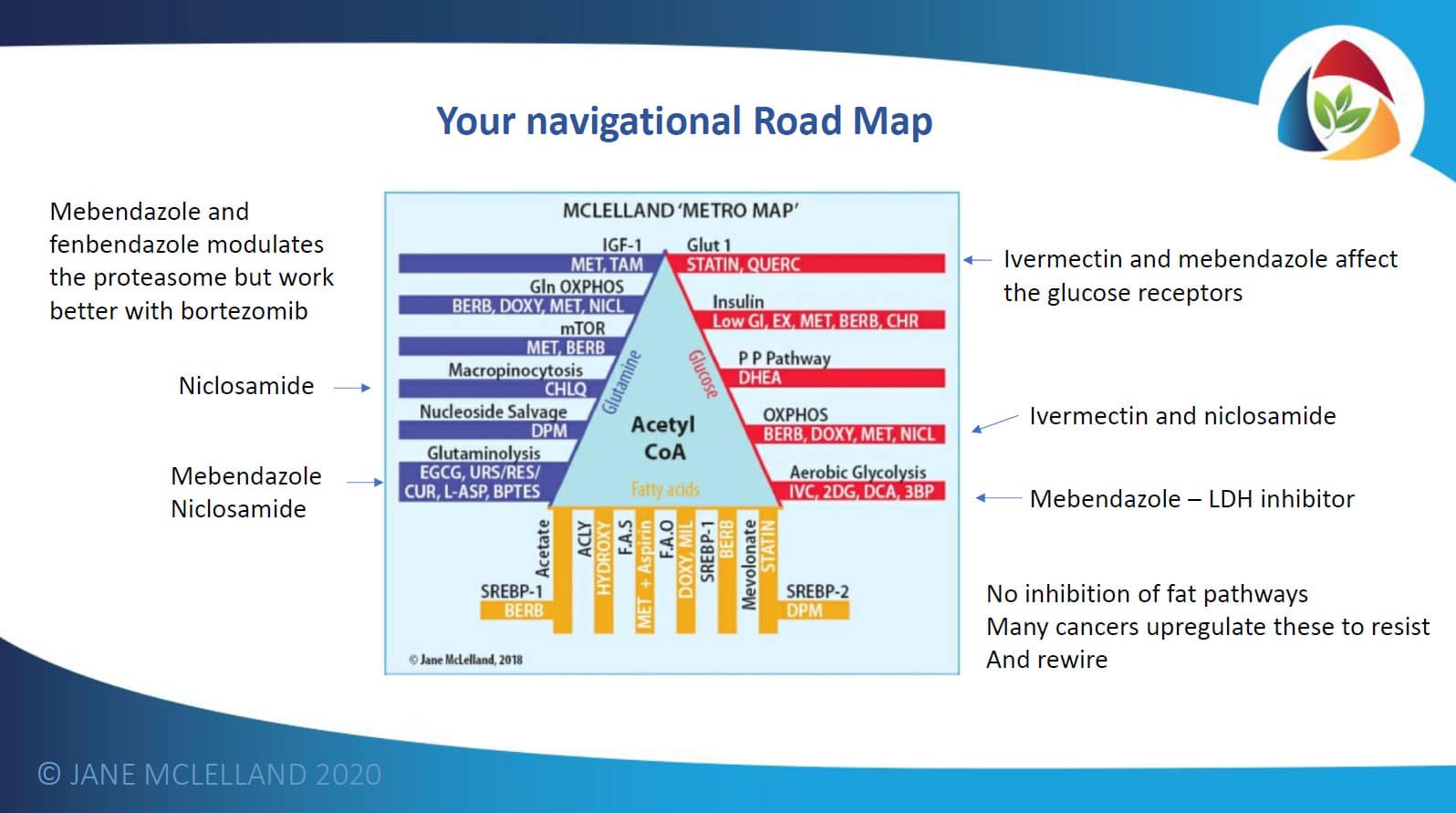
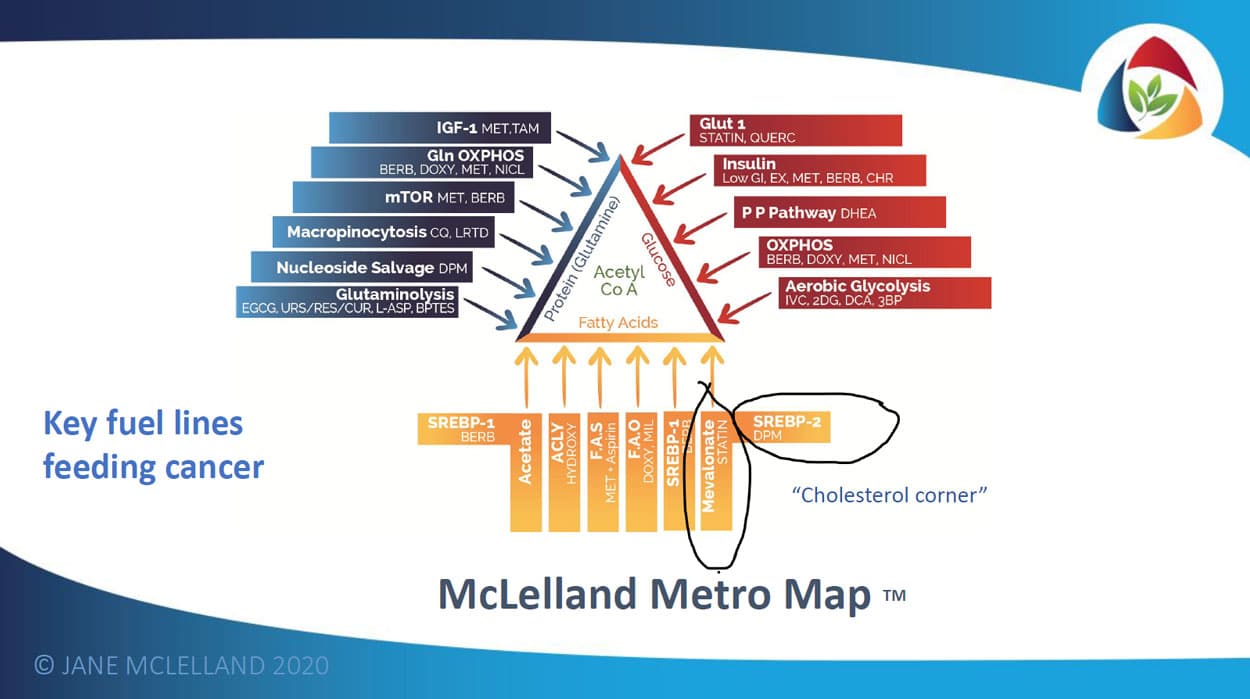
The Metro Map: Glucose, Glutamine, and Fat
Jane explains her “Metro Map” concept as a practical way to understand how cancer fuels itself and how different cancers emphasize different “feeds.”
“I’ve broken it down really into the three macros of the diet. You’ve got glucose… glutamine… and fatty acids… Not many people focus on the fact that there are fat pathways which are involved.”
She emphasizes a key danger of oversimplification: if glucose and glutamine pathways are blocked, some cancers can lean harder into fat pathways.
“If you switch both of those off, a lot of cancers actually will use the fat pathway.”

“Dirty Drugs,” Synergy, and Why Combinations Matter
A major theme of the episode is that patients shouldn’t expect a single agent (whether a drug, supplement, or diet) to be enough on its own. Jane argues that older, multi-effect drugs can be powerful precisely because they influence more than one pathway.
“These old drugs… they’re known as dirty drugs, because they inhibit more than one pathway… They’re like a multi-pronged approach all at the same time.”
She repeatedly returns to the idea of layering and synergy—not just “taking more,” but combining interventions that hit different metabolic routes.
“It’s a synergy of getting things to work together… It’s not just about one or two drug spaces.”
Repurposed Drugs: Moving Beyond a Narrow Focus
Jane directly addresses the current trend of patients relying on only ivermectin or benzimidazoles—understandable, she says, but incomplete if the pathway logic is missing.
“Big push for ivermectin and fenbendazole at the moment… but it just worries me that people aren’t looking at the right pathways… They’re not using the right thought process to try and work out what they really need.”
Her argument is not “never use them,” but “don’t stop there.”
Collaboration and Honesty: Patients Shouldn’t Have to Hide What They’re Doing
Jane describes one of the most serious problems she sees in real-world care: patients concealing off-label or integrative strategies from their oncologists because they expect judgment or dismissal.
“Patients hiding what they’re doing from their oncologists because they’re worried about being judged… How can you get better without having an honest conversation with your oncologists?”
She calls for a future where traditional and integrative clinicians coordinate care openly—and safely. This is one of the major reasons we are set on building our new Trusted Referral Network. Patients need a place where they can find doctors who allow them to speak honestly about their health. Patients need doctors who will listen to their thoughts, and work together on a stronger plan. If you are able, please support this mission!
Diet Isn’t Optional: “You want to starve the tumor.”
When Dr. Marik asks what wasn’t emphasized enough, Jane doesn’t hesitate—diet is foundational, and the goal is reducing glucose pressure and insulin signaling, while tailoring the approach to the patient.
“Diet is something which I think is really key… Ketogenic diet, intermittent fasting or a paleo diet… All of these things will actually reduce the amount of glucose getting into the system… Intermittent fasting at least is a very basic component.”
Dr. Marik drives home the real-world behavior pattern that undermines patients who believe they “eat healthy,” but still feed metabolic fuel constantly:
“She ate like five meals a day, she snacked at night and she liked her pasta… Those are the worst possible things that you can do.”
Jane agrees plainly:
“Yes… It’s absolutely paramount. You should get your diet right.”
Learn more: Dietary Interventions in Cancer: Targeting Tumor Metabolism Through Diet

Metformin + Statin: a Recurring “Baseline” for Many Patients
Jane argues that, across much of the literature and real-world practice, metformin and a lipophilic statin often belong near the center of a pathway-based strategy.
“Most of the research seems to back metformin and statin as the two… if they work together.”
She also addresses why some people resist statins, and why cancer changes how you prioritize risk:
“You need to separate cardiovascular problems from cancer… We’re treating cancer now… We’re not treating cardiovascular disease. If you have cancer, you have to change your priorities.”
Later, Dr. Marik asks it directly: “Are you saying that most of the patients should be on a combination of metformin and a statin?” Jane’s answer? “I think in a word, yes.”
Jane also makes a practical point: statins are not interchangeable in this context.
“You can’t just have any statin. They don’t all work… Pravastatin is… hydrophilic… Doesn’t work for cancer.”
Remission Maintenance: What She Still Does Today
Asked how she maintained remission since 2004, Jane describes a simplified, ongoing version of her approach—still using certain repurposed medicines and staying mindful of diet.
“I went into remission in 2004… cancer cells have not come back… I do still take dipyridamole at night, a statin mostly, and metformin I take during the day still… I still have relatively low glycemic diet… nowadays I’m a bit more relaxed.”
And she adds something many long-term survivors recognize:
“Once you’ve been stage 4… there’s no coming back from it, you can’t unlearn it.”
Closing Message: Start Early, Refine the “Cocktails,” Normalize Collaboration
Dr. Marik frames Jane’s influence historically—then points to the work ahead: there are many candidate repurposed drugs, but the future is about refinement.
“Jane basically was the engine that has driven a lot of people down this pathway… There’s like 300 repurposed drugs that may have activity against cancer cells… with time, we’re going to refine what we do.”
Jane closes with a mission statement—starting earlier, building better protocols, and making collaboration normal.
“The best time to be adding these repurposed drugs is right at the beginning… You come out of that consult, you go and see your GP, and then the GP provides you with a cocktail of drugs… We don’t like the fact that the patients are hiding stuff from their oncologists. We want open, honest discussions, and that’s my mission.”