
Host: Dr. Joseph Varon | Guest: Dr. Sharon Hausman-Cohen
What role does genetics play in how our bodies respond to complex illness?
IMA President and Chief Medical Officer Dr. Joseph Varon is joined by Harvard-trained physician Dr. Sharon Hausman-Cohen to explore how genetics may help explain why patients experience different symptoms and respond differently to illness.
Two people can catch the same virus, or get the same shot, and come away with very different illnesses. One struggles with brain fog. Another develops heart rhythm changes or POTS. A third can barely get through the day. Dr. Joseph Varon opened this episode with the question every clinician treating these patients eventually faces: why?
IMA has been working on that question for years. We built the I-RECOVER protocols for long COVID and post-vaccine syndrome and have pushed ever since for these conditions to be recognized. Research led by Dr. Varon has defined post-acute COVID-19 vaccination syndrome (PACVS), proposed a framework for diagnosing it, and mapped the mitochondrial, metabolic, autoimmune, and vascular damage behind both conditions.
The I-RECOVER post-vaccine protocol states that treatment “must be individualized according to each patient’s presenting symptoms.” The hard part has always been knowing what to try first. That’s where this webinar’s guest comes in. Dr. Sharon Hausman-Cohen uses genomic testing to find which biological pathways are driving a patient’s symptoms, and in this episode she walks through four patients with the same diagnosis and four very different sets of drivers.
Meet the Experts
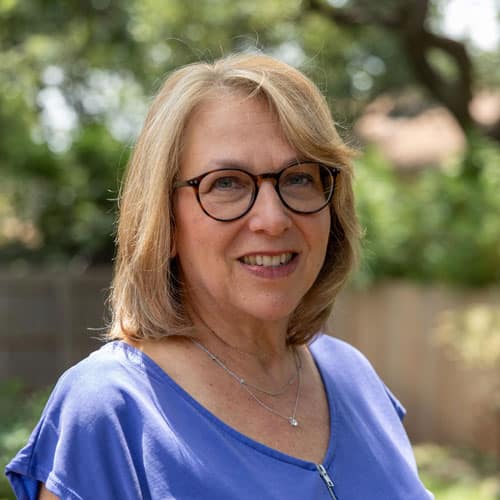
Dr. Sharon Hausman-Cohen
Chief Medical Officer, IntellxxDNA. Dr. Hausman-Cohen earned her master’s and MD from Harvard Medical School and is board certified in Family and Integrative Medicine. Her research focuses on the genomic drivers of chronic disease, from cognitive decline and autism to complex illness, and she has been practicing and teaching for more than 30 years.

Dr. Joseph Varon
Professor of Medicine; President and Chief Medical Officer, IMA. A critical care physician, Dr. Varon co-authored IMA’s peer-reviewed research defining and diagnosing PACVS and has treated many long COVID and post-vaccine patients himself.
1. Why Long COVID Is Not One Disease
Long COVID is often discussed as one condition with one cause. Dr. Hausman-Cohen describes it as a category. By her estimate, 10 to 40 percent of people infected with COVID-19 develop prolonged symptoms, a range she would extend to the vaccinated. The drivers behind those symptoms, such as immune dysregulation, microclotting, or mast cell activation, show up in a different mix in every patient, she said.
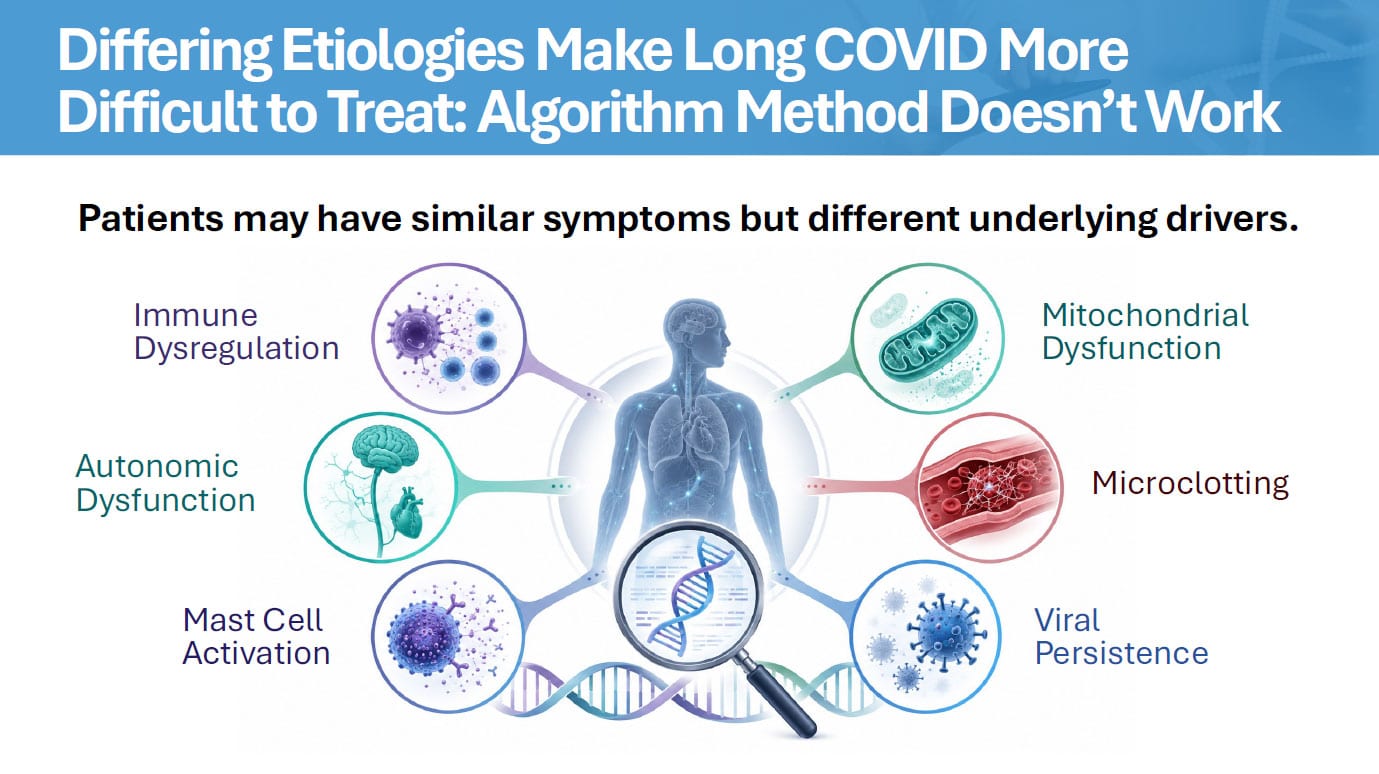
That is why, she argues, algorithm-driven medicine fails these patients. Her analogy: no doctor treats an “infection” without first asking whether it is strep, yeast, or a urinary tract infection. Inflammation deserves the same question.
“Even though we know that inflammation is key to long COVID, you can’t really make a treatment decision unless you know what kind of inflammation.” — Dr. Sharon Hausman-Cohen
Genomics is how she answers it. Chronic illnesses like long COVID are not genetic, she explained, but genomic: small DNA variations that interact with each other and with a trigger, in this case the virus or the vaccine. In research she cited, patients carrying overactive variants in both NLRP3 and IL-1β had 30 times the risk of severe fatigue after an infection.
Asked whether long COVID and PACVS look different on genomic testing, she said she has not been able to tell them apart. Dr. Varon agreed.
“At the end of the day, it’s spike protein disease, how it went into your body. It varies from person to person.” — Dr. Joseph Varon
2. Brain Fog and the Oxidative Stress Behind It
Shana, 49, came in with a clear complaint: “I’ve got brain fog, I feel inflamed.” Her genomic report pointed to three drivers.
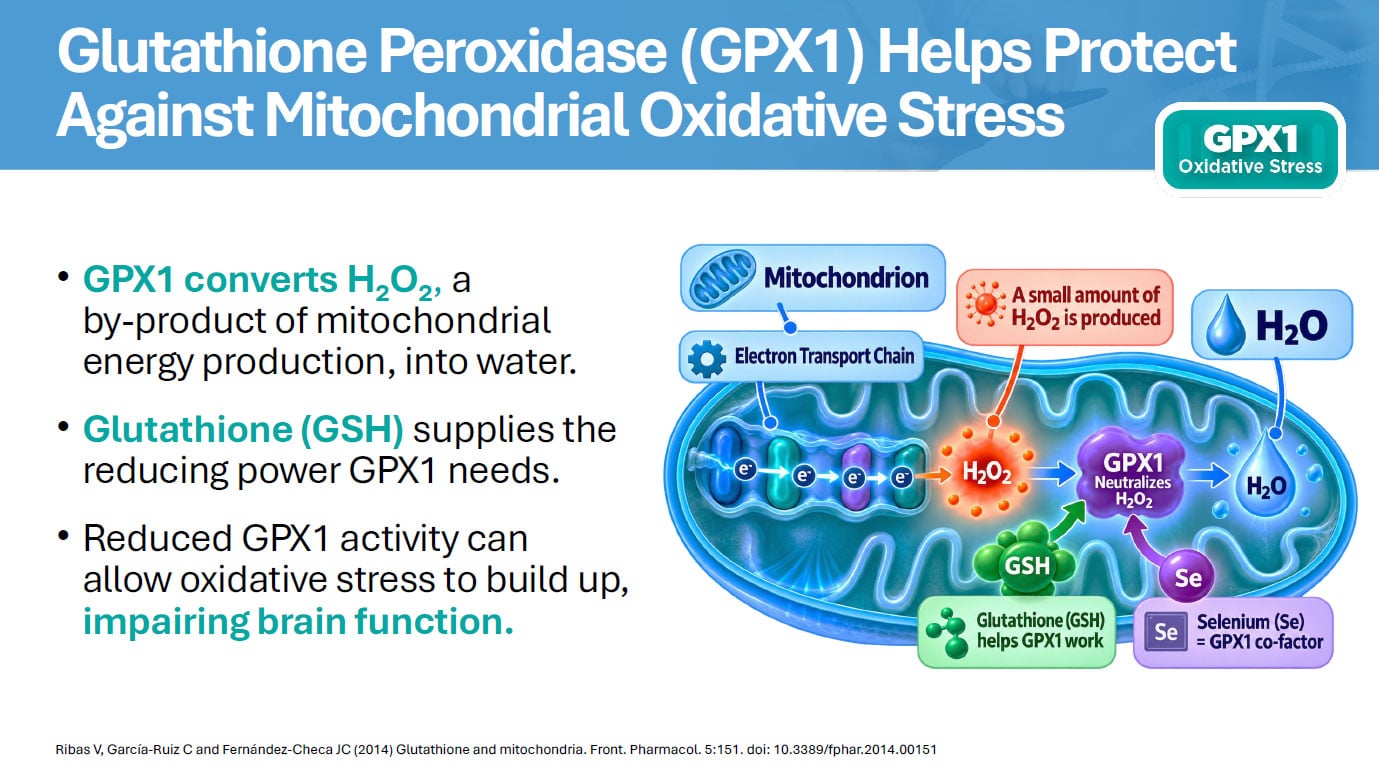
Oxidative stress. Her top variant, in GPX1, carries 2.27 times the risk of long COVID brain fog, and a study she cited found that GPX1 paired with a missing GSTM1 gene raised it to 12.98 times. Shana had two other risk factors Dr. Hausman-Cohen described as just as strong: low klotho and a missing GSTT1 gene.
“If you have a nuclear power plant, you’re going to have nuclear waste… And just like nuclear waste can be damaging, oxidative waste is damaging to these mitochondria if you can’t get rid of it.” — Dr. Sharon Hausman-Cohen
Selenium is GPX1’s cofactor, so she suggested two to seven Brazil nuts a week. IMA’s own review of mitochondrial dysfunction in long COVID and PACVS identifies this kind of oxidative damage as a central driver.
Vitamin D. Shana was still deficient on 5,000 IU a day. Her variants affected how vitamin D is carried in the blood, made in the skin, and broken down, and Dr. Hausman-Cohen said people with two copies of the key GC variant can need 50,000 IU a week just to reach normal levels.
Mast cells. Her IgE tested normal, but two receptor variants (FCER1A and MS4A2) make it bind more tightly, triggering an exaggerated mast cell response that can affect focus, blood pressure, skin, and digestion. Resveratrol directly downregulates this pathway, she said.

3. Fatigue and the Kind of Inflammation That Matters
Cory, 14, has had significant fatigue since COVID, along with symptoms of ME/fibromyalgia and dysautonomia. His top variants were all inflammatory, but each pointed to a different kind of inflammation.
“You can’t just say, what anti-inflammatory should I use? We have to go, what anti-inflammatories will lower CCL2?” — Dr. Sharon Hausman-Cohen
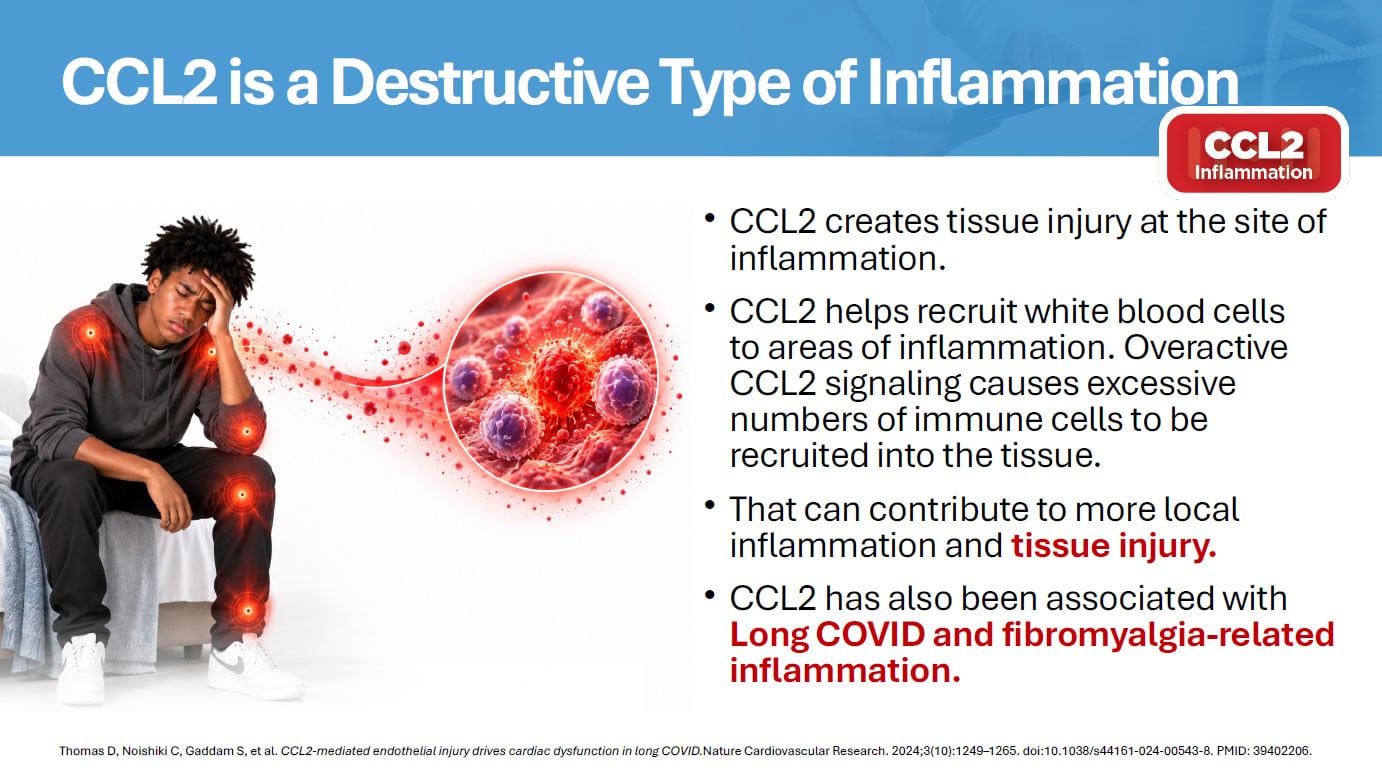
The biggest clue was CCL2, which Dr. Hausman-Cohen called a destructive type of inflammation. It recruits immune cells to clear injured tissue, and when it is overactive, the clearing itself causes more injury in the brain, muscles, and joints. Her response was PEA (palmitoylethanolamide), dosed on her slides at 600 mg once or twice a day. In a study she cited, PEA significantly improved post-COVID fatigue scores, with most patients resolving within three months.
Two more variants added their own layers:
- Interferon gamma: Keeps an infection-fighting signal switched on, driving joint pain, fatigue, and autoimmune risk. Curcumin, as well as steroids, can bring it down.
- IL-6: Flares in response to infection and is tied to pain, fibromyalgia, and later depression. PQQ is one option, and it supports mitochondria and cognition too.
His fibromyalgia report surfaced the same core pathways, so treating a few helped several symptoms at once. Cory, a colleague’s patient, has done “much, much better,” in her words.
4. Mood and Behavior Changes Traced to Clotting
Vinny, 6, had level 2 autism before COVID. Afterward, his long COVID showed up as impulsivity and changes in mood and behavior. His drivers were clotting and mast cells.
The key clue was Factor V Leiden, best known for raising the risk of clots in the legs and lungs. Dr. Hausman-Cohen said it is now also linked to depression, cognitive decline, and vascular dementia, because thicker blood means less blood flow to the brain, and spike protein drives fibrinogen higher still. A six-year-old doesn’t report brain fog, though.
“Imagine if you’re in a room and the door is closed. There’s not fresh air in it. The air starts to get stale. You’re not getting enough oxygen. You start to feel crazy. He wasn’t getting enough oxygen to his brain because of poor blood flow.” — Dr. Sharon Hausman-Cohen
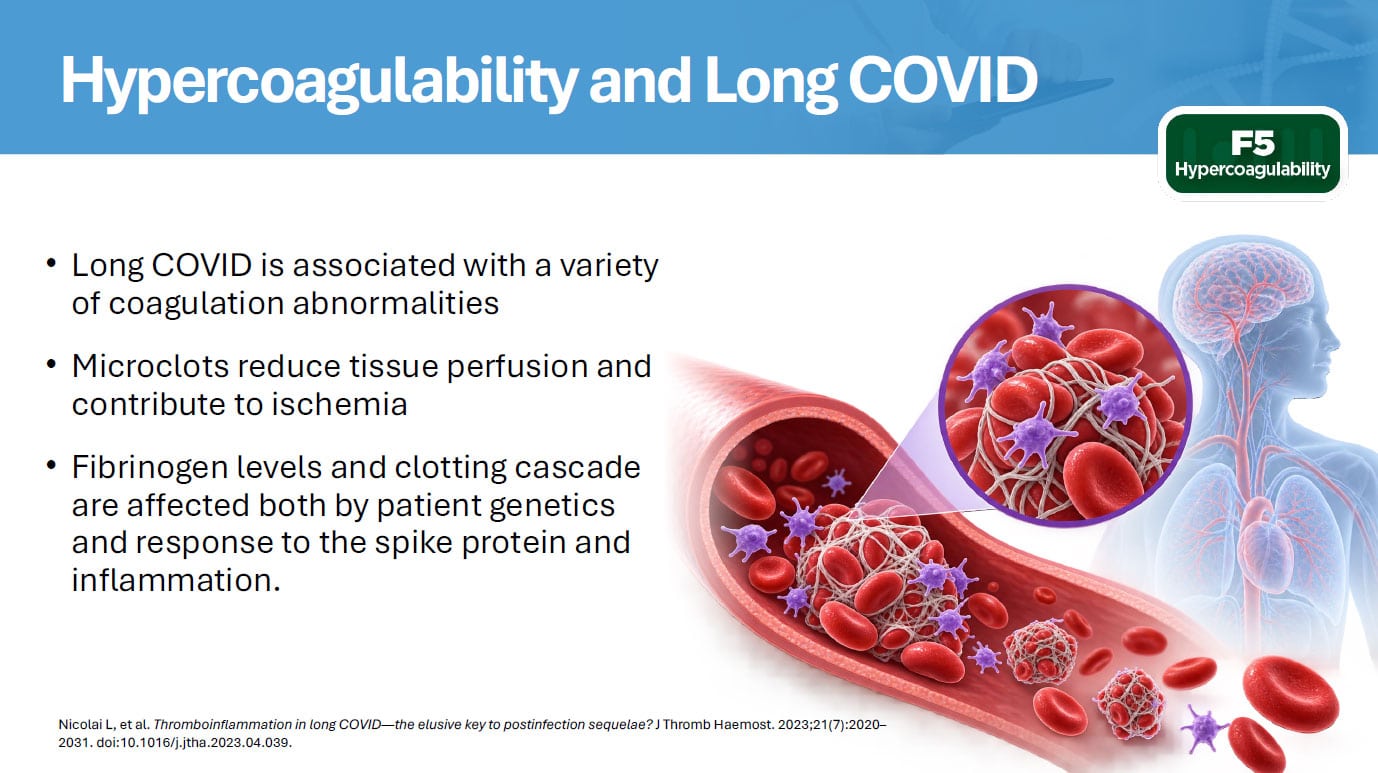
Some patients clot through sticky platelets, others through fibrinogen. For Vinny’s type, she chose nattokinase, which breaks down fibrin and degraded spike protein in lab studies.
His mast cell variants, in IL-4R and his vitamin D receptor, drive more IgE. PEA paired with luteolin targets that pathway: in a 90-day study, it reduced fatigue from 91.5 to 22.2 percent of patients and brain fog from 63.8 to 11.1 percent.
With folinic acid for a FOLR1 variant rounding out his plan, Vinny recovered fully from long COVID, and his autism symptoms improved too, she reported.

5. Palpitations, Migraines, and a Stuck Emergency Switch
Ellen, 78, first came to Dr. Hausman-Cohen with cognitive decline, and treatment brought her cognition back to normal. Then, after COVID, she began having migraine-like events. Magnesium, B6, and pycnogenol helped, but the headaches never fully resolved. When palpitations, fatigue, and dizziness followed, it became clear she had long COVID.
Her labs deepened the mystery: fibrinogen around 400 with none of the usual clotting variants, and spike antibodies above 21,000 years after a single infection and one or two vaccine doses. Dr. Hausman-Cohen read that as persistent spike expression somewhere in the body.
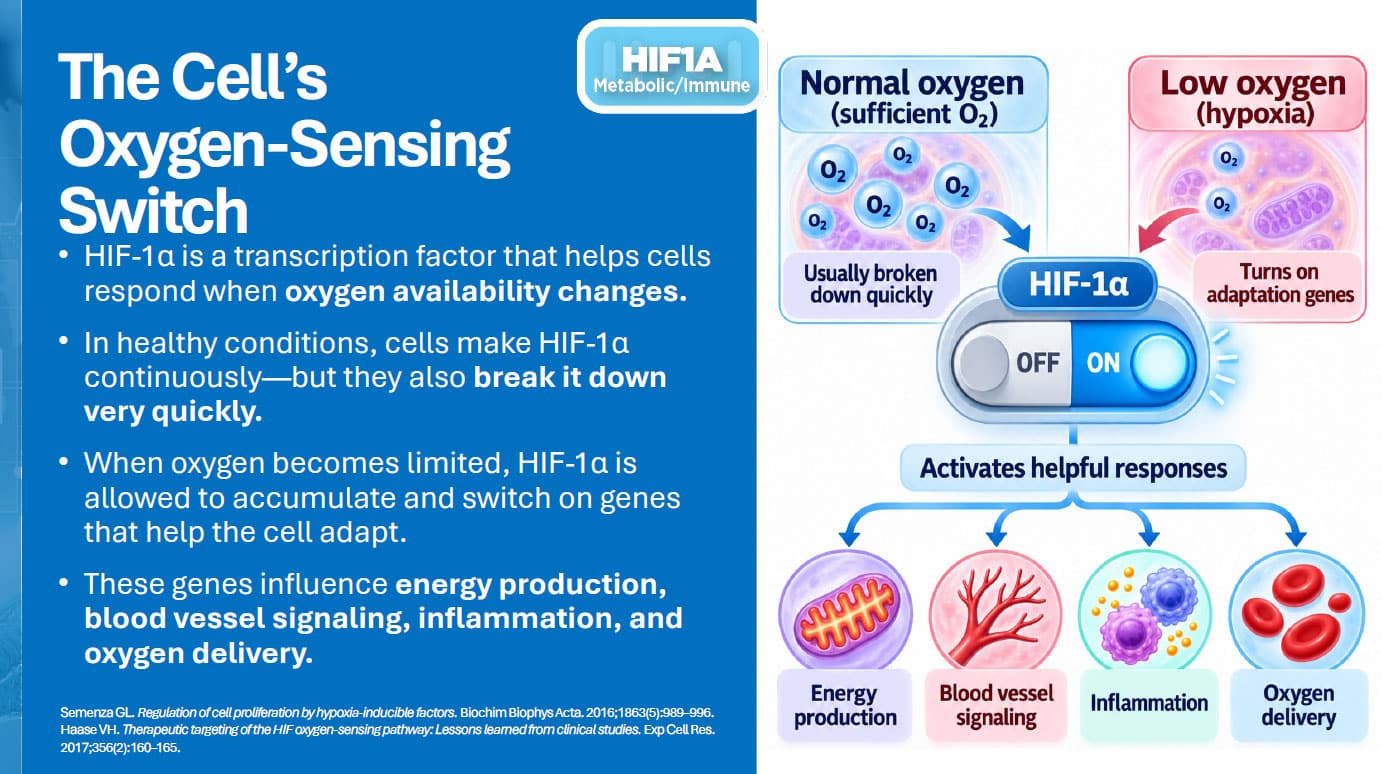
The answer was a variant in HIF1A, the cell’s oxygen-sensing switch. HIF-1α should turn on when oxygen runs low and shut off once the emergency passes. Ellen’s stays on.
“If you naturally make more HIF1A, your body thinks it’s still in a constant state of emergency.” — Dr. Sharon Hausman-Cohen
That one switch connected nearly every symptom on her chart:
- Clotting: HIF-1α raises tissue factor, which sets off the clotting cascade.
- Palpitations: It increases sympathetic outflow, the nervous system’s accelerator.
- Fatigue: It pushes mitochondria into a danger response that damages them.
In one study she cited, 17.6 percent of long COVID and ME/CFS patients had HIF-1α levels above any healthy control.
Andrographis, her first choice for lowering it, caused an allergic reaction. Then came a connection she had puzzled over since a dinner with Dr. Varon: why ivermectin helps long COVID patients with no sign of active infection. Ivermectin reduces HIF-1α signaling in experimental models, she noted, which may be one reason. Amantadine is another HIF-1α inhibitor; in one trial, it cut fatigue scores from 53 to 28 in two weeks, compared with 50 to 42.5 in controls.
Her plan also targeted the downstream effects, including nattokinase, pycnogenol, and a low-dose prescription anticoagulant that helped end her TIA-like events.
6. What to Know Before Testing
Dr. Hausman-Cohen has been using genomics with her patients for over a decade. Her company, IntellxxDNA, was born from that experience. For readers wondering how testing works for long COVID and PACVS patients, these questions came up during the webinar:
- The test: A cheek swab ordered by a clinician. It reads your DNA, not viral DNA, so timing around COVID doesn’t matter.
- Privacy: She said IntellxxDNA operates under HIPAA, never sells or shares DNA, and receives samples barcoded and de-identified.
- Accuracy: She said their lab reads each position 100+ times, versus the 30-read standard for medical accuracy that many consumer tests miss.
- Cost: About $1,150 to $1,200 for a complex-illness panel, up to $1,700, plus clinician fees. Not covered by insurance.
- Access: Available in the U.S., Canada, and the UK, with a provider directory for patients and free training for clinicians.
“You Can’t Do Hundreds of Things”
Shana, Cory, Vinny, and Ellen shared a diagnosis and almost none of the same drivers, so no single plan would have worked for all four. With so many possible treatments, trying them all isn’t realistic.
“There are hundreds of things you can do that are in the literature. But the idea is with genomics, you can say what would be some of the five or six that would be best for this patient… because you can’t do hundreds of things.” — Dr. Sharon Hausman-Cohen
The resources below are a good place to begin.
Related Reading
- Treatment Guide: I-RECOVER: Long COVID Treatment
- Treatment Guide: I-RECOVER: Post-Vaccine Treatment
- Post: New Research Defines Post-Vaccine Syndrome—And Calls on Medicine to Catch Up
- Post: Diagnosing PACVS: Peer-Reviewed Study Advances Recognition for COVID Vaccine Injured
- Post: Hidden Culprit: New Review Reveals Mitochondrial Dysfunction Link in Long COVID and PACVS Patients
- Post: Running on Empty: New Paper Explains Why Vaccine-Injured Patients Stay Exhausted
- Post: COVID-19 Vaccine Injury: 3 Underlying Mechanisms Mainstream Medicine Still Misses
- Post: PACVS Research Exposes Immune Dysfunction After COVID Shots