A new comprehensive review reveals how 10 common chemicals disrupt hormones, fertility, and long-term health, and catalogs the remediation strategies that can fight back.
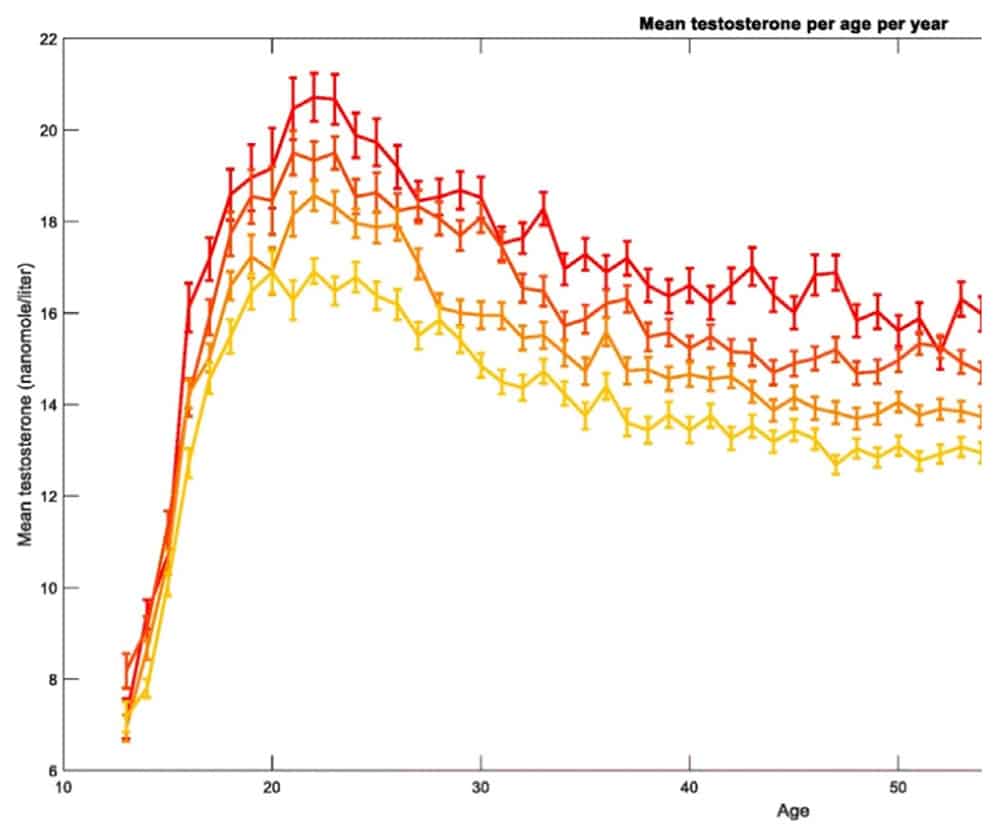
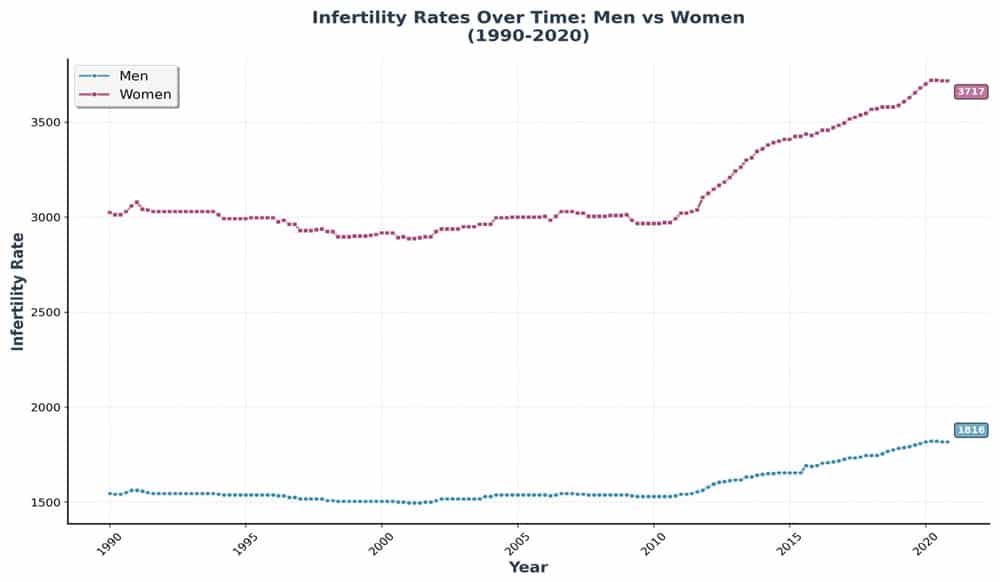
Global infertility rates have been climbing since 1990. Testosterone levels in men have been declining for decades, across every age group. Most people assume these are personal health problems: genetics, stress, diet, aging.
A new review says the environment is playing a bigger role than anyone expected.
Published in Environmental Toxicology (Wiley) by a team including IMA President Dr. Joseph Varon and IMA Director of Scientific Research Matthew Halma, the review examines the 10 most common endocrine-disrupting chemicals. It maps where they come from, how they interfere with human hormones, and what regulators are and aren’t doing about them. Critically, the authors don’t stop at the problem. Their work documents promising remediation strategies that have already been shown to work.
📖 Read the Full Paper
Overview of the Most Common Endocrine Disruptors: Exposure, Mechanism, Health Effects, and Remediation Strategies (Environmental Toxicology, 2026) — Authors: Carlos Gracidas, Edgar Selem, Ngozi Donald Anyiam, Brian Fertig, Joseph Varon and Matthew Halma
What Endocrine Disruptors Are and Where They Hide
Endocrine-disrupting chemicals (EDCs) are substances that interfere with the body’s hormonal system. They can mimic natural hormones like estrogen, block hormones like testosterone, or alter the way hormones are produced, transported, and broken down.
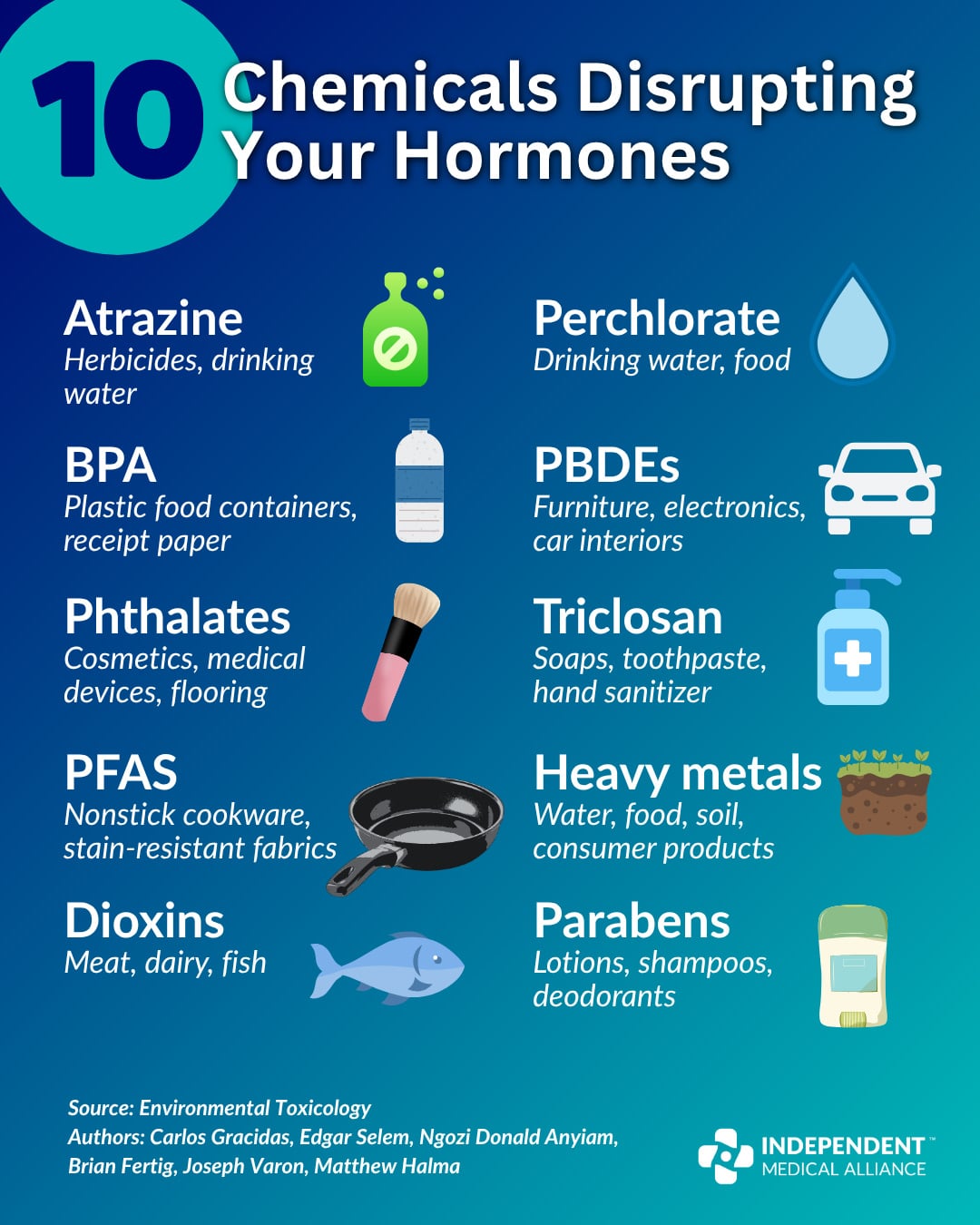
The sources are not obscure. The review covers 10 of the most widespread:
- Atrazine: one of the most heavily used herbicides in U.S. agriculture, applied at 60 to 80 million pounds per year
- Bisphenol A (BPA): found in plastic food containers, baby bottles, and thermal receipt paper
- Phthalates: the chemicals that make plastics flexible, present in cosmetics, medical devices, flooring, and pharmaceutical coatings
- PFAS: the “forever chemicals” in nonstick cookware, stain-resistant fabrics, and firefighting foam
- Dioxins: industrial byproducts that accumulate in meat, dairy, and fish
- Perchlorate: a component of rocket fuel that contaminates drinking water and food
- PBDEs: flame retardants in furniture, electronics, and car interiors
- Triclosan: an antibacterial agent in soaps, toothpaste, and hand sanitizers
- Heavy metals: lead, cadmium, arsenic, and mercury, found in water, food, soil, and consumer products
- Parabens: preservatives in lotions, shampoos, and deodorants
What They Do to Hormones
These chemicals disrupt the entire signaling system, from mimicking estrogen to blocking testosterone, and many act through several pathways at once.
The damage shows up across four major areas:
- Testosterone is declining across every age group
- Sperm quality is falling with it
- Thyroid function is under pressure from multiple chemicals simultaneously
- Fertility and pregnancy outcomes are worsening globally
Testosterone is declining. Levels have been dropping across every age group, year over year. A 30-year-old man today has measurably less testosterone than a 30-year-old man a decade ago. The review ties this pattern to the cumulative effect of BPA, phthalates, PFAS, PBDEs, and heavy metals acting on the same hormonal pathways.
Sperm quality is falling with it. BPA exposure is significantly associated with lower sperm concentration and total sperm count. Phthalates were associated with nearly 8% lower testosterone for every doubling of urinary concentration in U.S. men.
Thyroid function is under pressure from multiple directions. Perchlorate blocks iodine uptake. PFAS reduces circulating thyroid hormone. Mercury and cadmium directly damage thyroid tissue. The effects are worse in pregnant women, where thyroid disruption can affect fetal brain development.
Fertility and pregnancy outcomes reflect the cumulative burden. Global infertility rates have climbed steadily since 1990. The review links perchlorate to pregnancy loss, dioxins to endometriosis, and phthalates to premature breast development in girls.
From Hormonal Disruption to Cancer
The same mechanisms that suppress testosterone and disrupt thyroid function also create conditions favorable to cancer. When chemicals interfere with estrogen and androgen receptors, they can promote the growth of hormone-sensitive tumors.
The review documents these associations across multiple chemicals:
- Dioxins: women exposed were more than twice as likely to develop endometriosis, with elevated risk for breast, endometrial, and testicular cancer
- BPA: consistently linked to adverse reproductive outcomes, with estrogenic activity detected even at low concentrations
- PFAS: associated with prostate and breast cancer; animal studies showed direct changes to mammary gland development
- Atrazine: linked to increased risk for lung and prostate cancer, with a stronger association to aggressive prostate cancer
- Phthalates: metabolite levels were significantly higher in women with breast cancer than in controls
The mechanistic evidence for these links is strong. Human data varies across chemicals and study designs, but the direction of the evidence is consistent. And the study’s authors point out that most research examines one chemical at a time, while real-world exposure involves all of them together. The combined effect is the one that matters most, and it’s the one we know the least about.
What Regulators Aren’t Doing
The review includes a regulatory comparison across the United States, the European Union, Canada, Australia, and the World Health Organization. The gaps are difficult to explain.
- Atrazine has been banned in the European Union. The U.S. still permits it at 3 micrograms per liter in drinking water, 30 times the EU’s limit for any single pesticide.
- BPA, PBDEs, triclosan, and parabens have no drinking water standard in the United States or internationally, despite decades of evidence of endocrine-disrupting activity.
- PFAS limits in the U.S. cover only two specific compounds at 4 parts per trillion. The EU regulates the sum of 20 individual PFAS at a broader threshold.
- Lead continues to appear in U.S. drinking water above federal action levels. In Benton Harbor, Michigan, testing found concentrations as high as 391 parts per billion, more than 26 times the federal limit. California groundwater monitoring identified public wells with mercury at nearly 47 times the federal standard.
Many of the endocrine disruptors covered in this review are not even listed in the EPA’s Integrated Risk Information System.
“Greater coordination in international exposure limits, consideration of combined effects from multiple chemicals, and stronger monitoring of emerging contaminants would support efforts to reduce the global burden of EDC exposure.” — Study Authors
The Solutions That Already Work
What sets this review apart from most environmental health research is that it doesn’t stop at the problem. The authors document remediation strategies with real data behind them.
Some of the results are remarkable:
- Vetiver grass removed 97.5% of atrazine from contaminated soil in 60 days
- Chlorella vulgaris (a green alga) achieved 100% removal of BPA from water
- Ion exchange technology removes more than 95% of perchlorate from drinking water
- Powdered activated carbon combined with membrane filtration removed more than 99% of PFAS compounds
- Incineration at proper temperatures achieves greater than 99.99% destruction of dioxins
- Microbial degradation using specific bacterial strains removed 98% of triclosan within 24 hours
At the individual level, practical steps can reduce exposure:
- Filter drinking water (activated carbon filters remove many EDCs)
- Choose PFAS-free cookware
- Avoid plastic containers for food storage, especially with heat
- Read labels for parabens and phthalates in personal care products
- Select soaps and toothpaste without triclosan
The problem is real. The evidence is substantial. And the tools to fight it already exist. This review is the most comprehensive single-paper synthesis of endocrine disruptor evidence published to date, and it is the kind of interdisciplinary work that the Independent Medical Alliance exists to support.
Related Reading
- Guide: Understanding Men’s Reproductive Health: Sperm Health, Testing, Nutrition, and Natural Support
- Post: New Study Defines Mechanisms of Post-Vaccine “Turbo Cancer”
- Monograph: Cancer Care: Repurposed Drugs & Metabolic Interventions
- Post: Dietary Interventions in Cancer: Targeting Tumor Metabolism Through Diet
- Post: Drug Cycling in Cancer Care: What It Is and Why It’s Critical