
Host: Dr. Ryan Cole | Guest: Dr. Kristina Carman
Are you tired even when you’re sleeping, told your labs are “normal” but still feel off, or wondering what your body may actually be missing?
Dr. Ryan Cole is joined by Dr. Kristina Carman for a practical, clinically grounded discussion on nutrient deficiencies, supplement quality, medication-related depletion, and how to think more wisely about supporting the body. The conversation is built around Dr. Carman’s updated From A to Zinc guide.
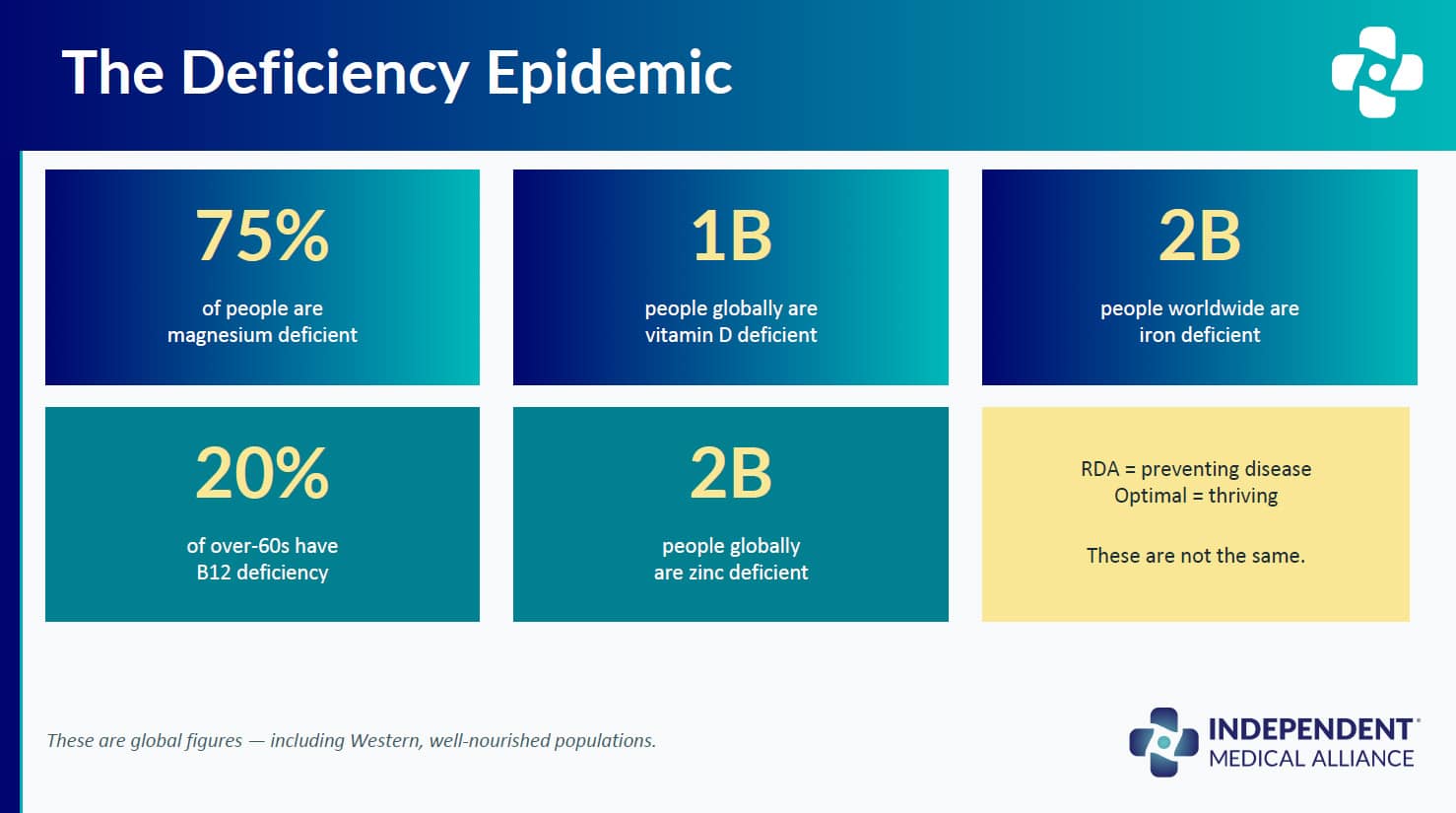
Seventy-five percent of the Western population is estimated to be magnesium deficient. One billion people are low in vitamin D. Two billion don’t get enough zinc. These aren’t obscure conditions. They’re the nutritional baseline for most of the people reading this.
The numbers are striking, but the real problem is quieter. Most of these deficiencies never get flagged. Conventional lab ranges are built on population averages, which means a result can read “normal” while the body is running well below what it needs. Fatigue, brain fog, hair loss, anxiety: the symptoms trace back to nutrient gaps hiding inside a normal range.
Dr. Kristina Carman’s updated From A to Zinc guide is IMA’s most comprehensive free nutritional resource: more than 80 pages covering over 70 nutrients, now broken into six companion guides. Dr. Carman and Dr. Ryan Cole use the guide as a springboard for a practical conversation about which deficiencies matter most, why supplement form determines whether it works, and what common medications may be silently stripping from your body.
Meet the Experts

Kristina Carman, ND, NT, IFM
IMA Senior Fellow, Nutritional and Holistic Health. Dr. Carman is a naturopathic doctor, registered nutritional therapist, and functional medicine practitioner based in South Carolina. She is the author of the From A to Zinc guide and multiple IMA patient and practitioner resources covering nutrition, hormone health, and integrative care.

Ryan Cole, MD
IMA Head of Medical & Scientific Affairs; Senior Fellow, Pathology; Founder, Cole Diagnostics. A board-certified pathologist, Dr. Cole brings a lab-science lens to the conversation, explaining how conventional reference ranges are constructed and why “normal” often falls short of optimal.
1. “Normal” Doesn’t Mean Optimal
A lab reference range represents two standard deviations from a regional population mean. If that population is largely unhealthy, the mean shifts downward and “normal” starts to include people who are functionally deficient.
“Most people don’t understand that a lab range is two standard deviations in both directions. You look at that bell curve and you’re told you’re normal when you may be on the bottom. Don’t just trust your doctor when he or she says, ‘Oh, you’re normal.’ Ask them, am I optimal?” — Dr. Ryan Cole
Dr. Carman emphasized that subclinical deficiency is where most people live. The deficiency isn’t severe enough to trigger a clinical diagnosis, but it’s enough to cause real symptoms: fatigue despite adequate sleep, brain fog, poor wound healing, anxiety, hair loss, or trouble regulating body temperature.
The pattern repeats across the nutrients discussed in this episode:
- Magnesium: Involved in over 300 enzymatic functions. Depleted by stress, alcohol, coffee, and sugar. Serum magnesium doesn’t reflect tissue stores; a red blood cell magnesium test or a 24-hour magnesium challenge is more reliable.
- Vitamin D: Functional targets are 60–80+ ng/mL. Conventional labs often consider 30–37 ng/mL “normal.” Genetic variants in the vitamin D receptor can make it difficult for some individuals to reach optimal levels regardless of supplementation.
- Iron (ferritin): Conventional labs flag ferritin below 12–20. Functional targets are 50–100. A ferritin of 22 won’t get flagged, but it can drive fatigue, hair loss, depression, restless legs, and difficulty regulating body temperature.
- Zinc: Two billion people globally are deficient. Essential for immune function, wound healing, testosterone production, and skin health. Absorption is impaired by phytates in grains, legumes, nuts, and seeds.
2. The Form That Determines Whether a Supplement Works
Not all supplements are created equal, and the form of a nutrient determines how much of it your body can actually use.
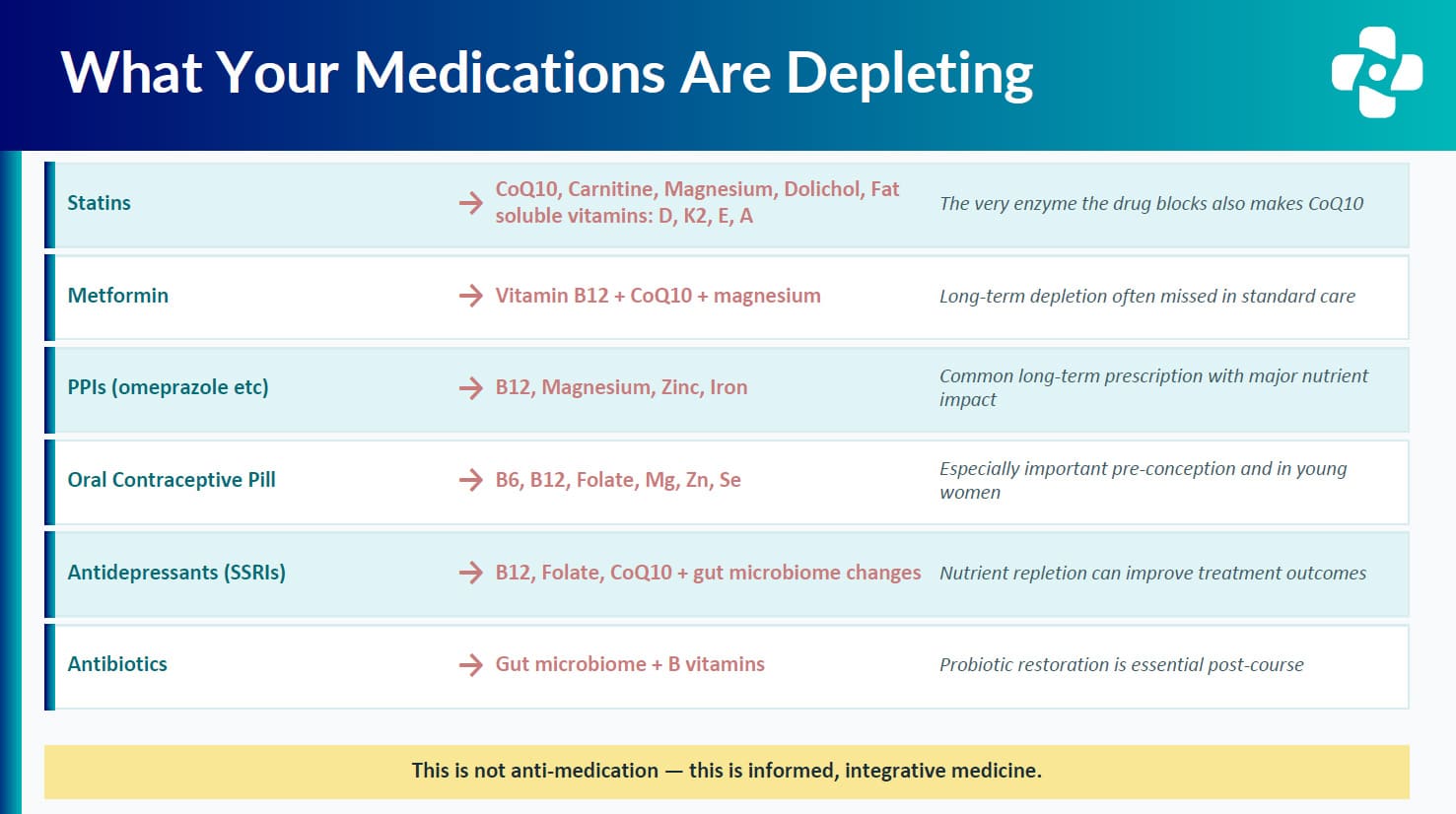
The clearest example is magnesium. Magnesium oxide, the most commonly sold form, has roughly 4% bioavailability. Dr. Carman hears the same complaint constantly: patients taking magnesium who feel no different. When they switch to a more bioavailable form matched to their needs, the difference is unmistakable.
“If you’re taking an appropriate amount of magnesium, the right forms for you, you will absolutely know, because it is such a magnificent magic mineral.” — Dr. Kristina Carman
Different forms serve different purposes:
- Magnesium threonate: Crosses the blood-brain barrier. Studied for cognition, depression, anxiety, and traumatic brain injury. Can be stimulating if taken too close to bedtime.
- Magnesium glycinate (bisglycinate): Calming for the parasympathetic nervous system. Helpful for sleep onset and disrupted sleep patterns. May be too sedating for some.
- Magnesium citrate: Osmotic effect makes it useful for constipation and detox protocols. Poor systemic absorption.
The same principle holds for B12 (cyanocobalamin vs. active methylcobalamin), folate (synthetic folic acid vs. methylfolate), and curcumin (standard vs. liposomal forms that are 29 times more bioavailable). Fat-soluble vitamins like D3 and K2 need to be taken with dietary fat to absorb properly.
Dr. Cole offered a reframe on vitamin D that captures the stakes: “It’s not a vitamin. It is a pro-hormone. It has that unfortunate mislabel, but you burn through it every day like fuel in a car tank.”
3. What Your Medications May Be Depleting
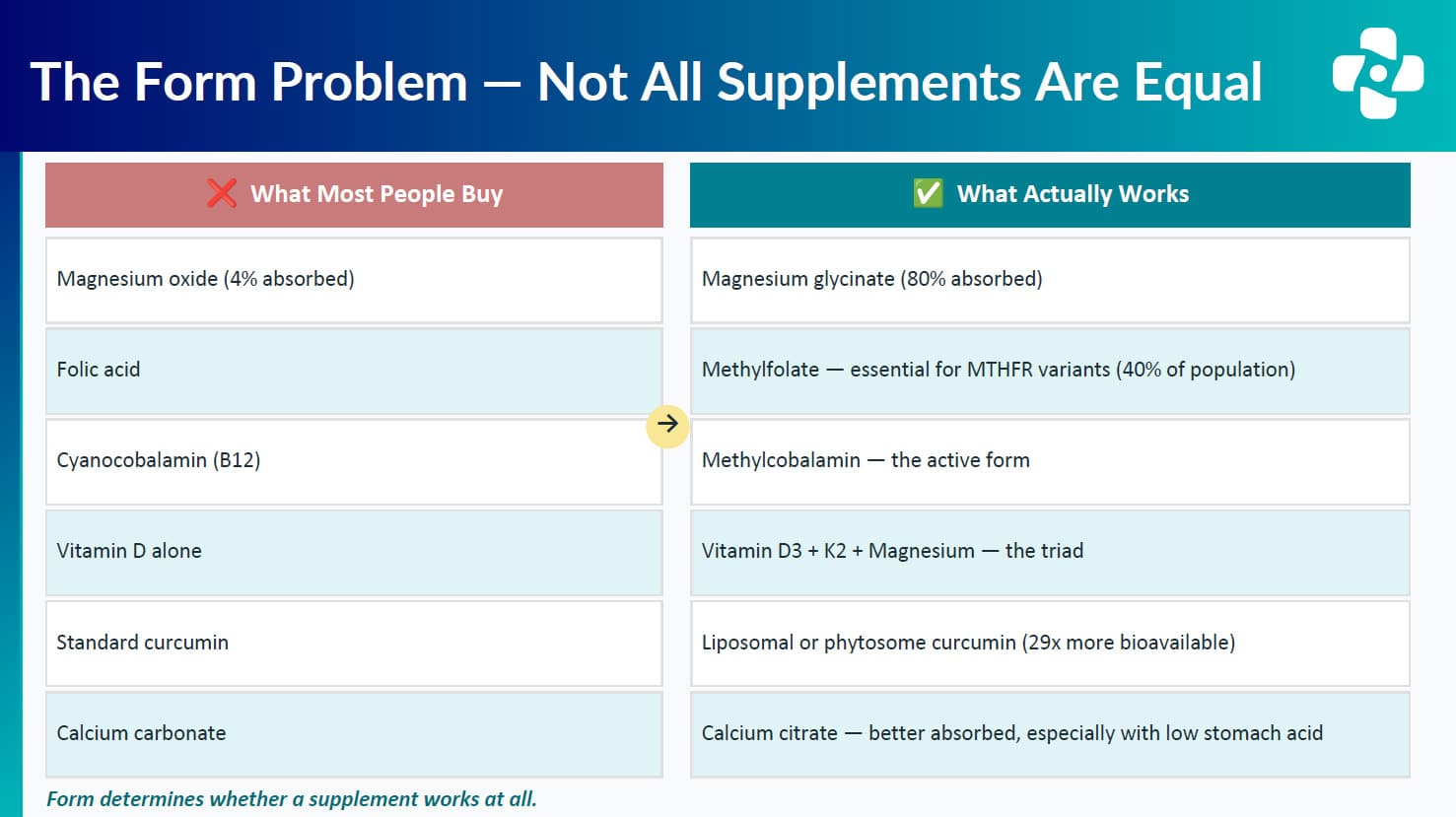
Many of the most commonly prescribed medications deplete the same nutrients the body is already struggling to maintain. Dr. Carman and Dr. Cole walked through the biggest offenders:
- Statins: Deplete CoQ10, carnitine, magnesium, dolichol, and fat-soluble vitamins (D, K2, E, A). CoQ10 is required by every mitochondrion in the cell. Dr. Cole noted that the same enzyme the drug blocks is also responsible for CoQ10 synthesis.
- Metformin: Depletes B12, CoQ10, and magnesium. Long-term depletion is frequently missed in routine care.
- PPIs (proton pump inhibitors): Deplete B12, magnesium, zinc, and iron. Dr. Carman noted that most cases diagnosed as “high acid” are actually low stomach acid with a motility or signaling issue. Many patients stay on PPIs for 15 to 25 years with no reassessment.
- Oral contraceptive pill: Depletes B6, B12, folate, magnesium, zinc, and selenium. Dr. Carman pointed out that the pill doesn’t regulate hormones; it turns off hormone production entirely.
- SSRIs: Deplete B12, folate, and CoQ10. Disrupt the gut microbiome. Dr. Cole added that many SSRIs contain fluorinated molecules, which can also deplete iodine over time.
- Antibiotics: Disrupt the gut microbiome and deplete B vitamins. Dr. Carman cited research showing that a single 10-day course of antibiotics can take up to six months for the microbiome to rebalance.
The framing here matters. Dr. Cole’s mother was saved by antibiotics in the ICU the week of this recording. The conversation isn’t anti-medication. It’s about informed use and asking the questions that often don’t get asked.
“Don’t be afraid to ask your doctors: Why am I on this? How long do I need to be on this? What are my other options? And what’s the exit plan?” — Dr. Kristina Carman
4. The Gut Is the Gatekeeper
Even the right supplement in the right form can fail if the gut isn’t absorbing it. Dr. Carman and Dr. Cole kept circling back to this point throughout the episode: gut health is the foundation that everything else depends on.
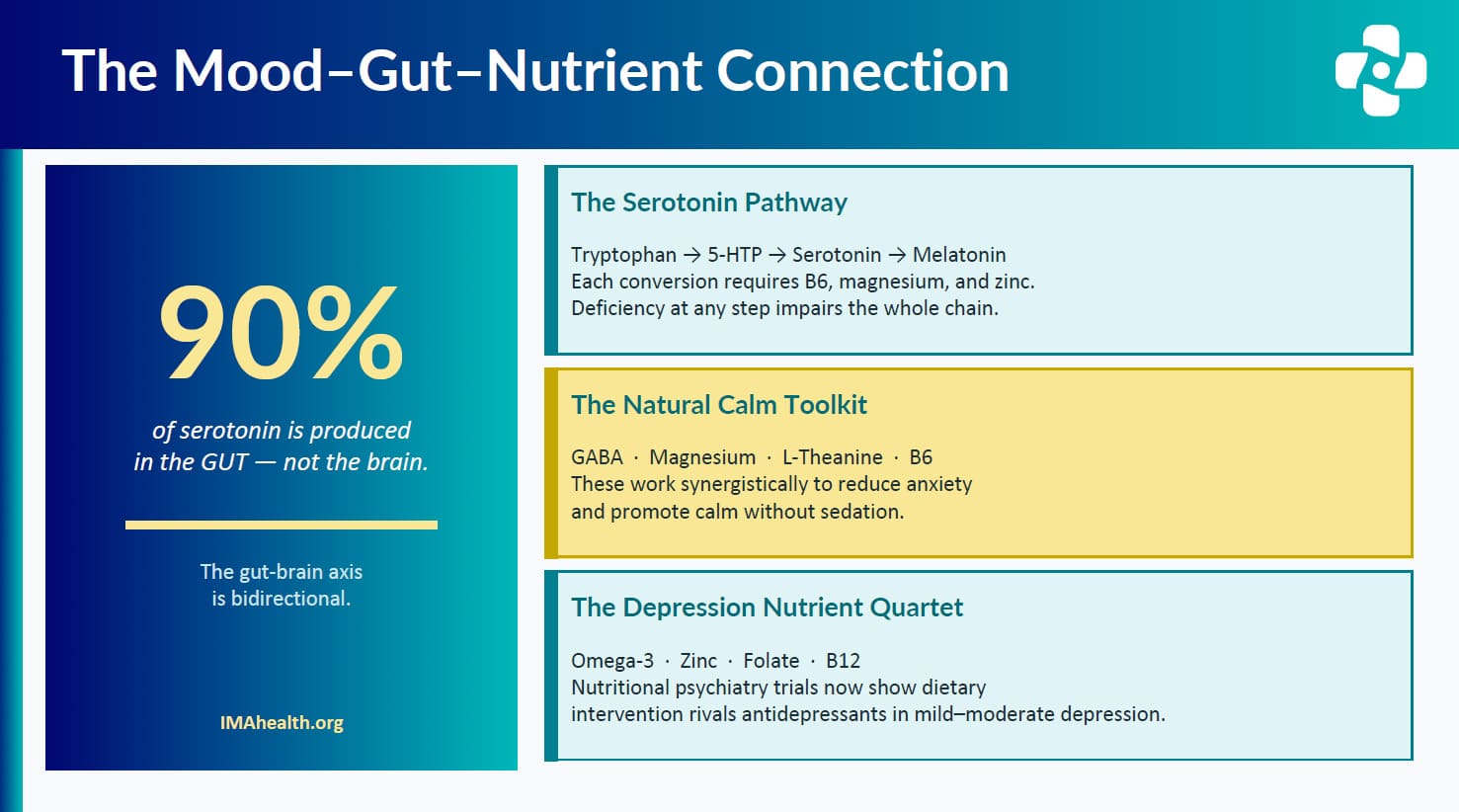
Intestinal permeability (leaky gut) impairs vitamin D absorption. Low stomach acid impairs B12 conversion, zinc uptake, and iron absorption. Disrupted gut bacteria interfere with iron status and the serotonin pathway, since 90% of the body’s serotonin is produced in the gut.
Both speakers emphasized a food-first philosophy. Chewing food thoroughly signals the full digestive cascade. Drinking large amounts of fluid with meals dilutes stomach acid and impairs the process. Dr. Cole added that staying well hydrated throughout the day helps prevent overeating at mealtime and supports natural GLP-1 activation.
“Food is everything. It will signal, and it’s the messenger to every single one of the cells in your body.” — Dr. Kristina Carman
Eating nutrient-dense, whole foods close to nature remains the single most impactful step. Dr. Cole flagged glyphosate as a factor that strips minerals from food and recommended organic produce when possible, using the Clean Fifteen and Dirty Dozen lists to prioritize.
5. Where to Start
Dr. Carman and Dr. Cole both emphasized a measured approach: get labs first, then supplement thoughtfully.
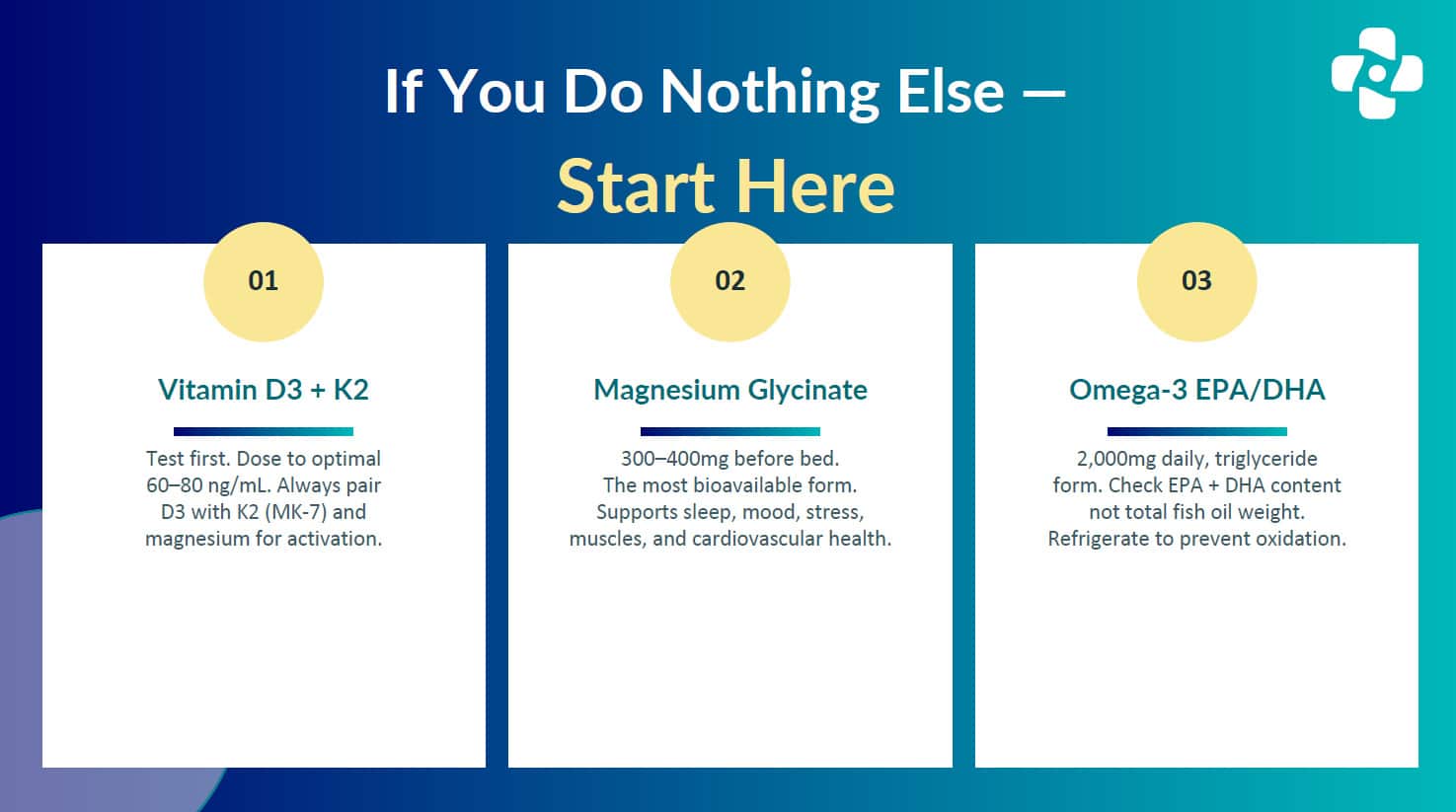
If you do nothing else, the foundational trio they recommend starting with:
- Vitamin D3 + K2: Test your baseline, then dose to reach 60–80 ng/mL. Take with dietary fat for absorption. Magnesium is a required cofactor but should be taken separately.
- Magnesium: Choose a bioavailable form matched to your needs (glycinate for sleep, threonate for cognition). The right form at the right dose will make itself known.
- Omega-3 (EPA/DHA): A good-quality fish oil or marine-based omega-3. Quality matters; cheap supplements may pass through unabsorbed.
A quality multivitamin can fill additional gaps, but Dr. Carman was clear: spend the money on supplements that use bioavailable forms. Discount products often pass through unabsorbed.
The bigger principle is that no supplement protocol outperforms a poor lifestyle. Food comes first. Sleep, stress management, and movement form the base. Supplements are the targeted layer on top.
“This isn’t an anti-medicine conversation, and it isn’t a pro-supplement conversation. There’s a Goldilocks zone for everyone, and everyone is slightly different.” — Dr. Ryan Cole
Finding Your Goldilocks Zone
Dr. Carman and Dr. Cole closed by noting that they could easily fill another hour, and a Part Two focused on supplement timing and longevity nutrients is already in the works. In the meantime, the From A to Zinc guide and its six companion guides cover the full range of what this episode could only introduce. Download them, bring them to your next practitioner visit, and start asking better questions about what your body actually needs.
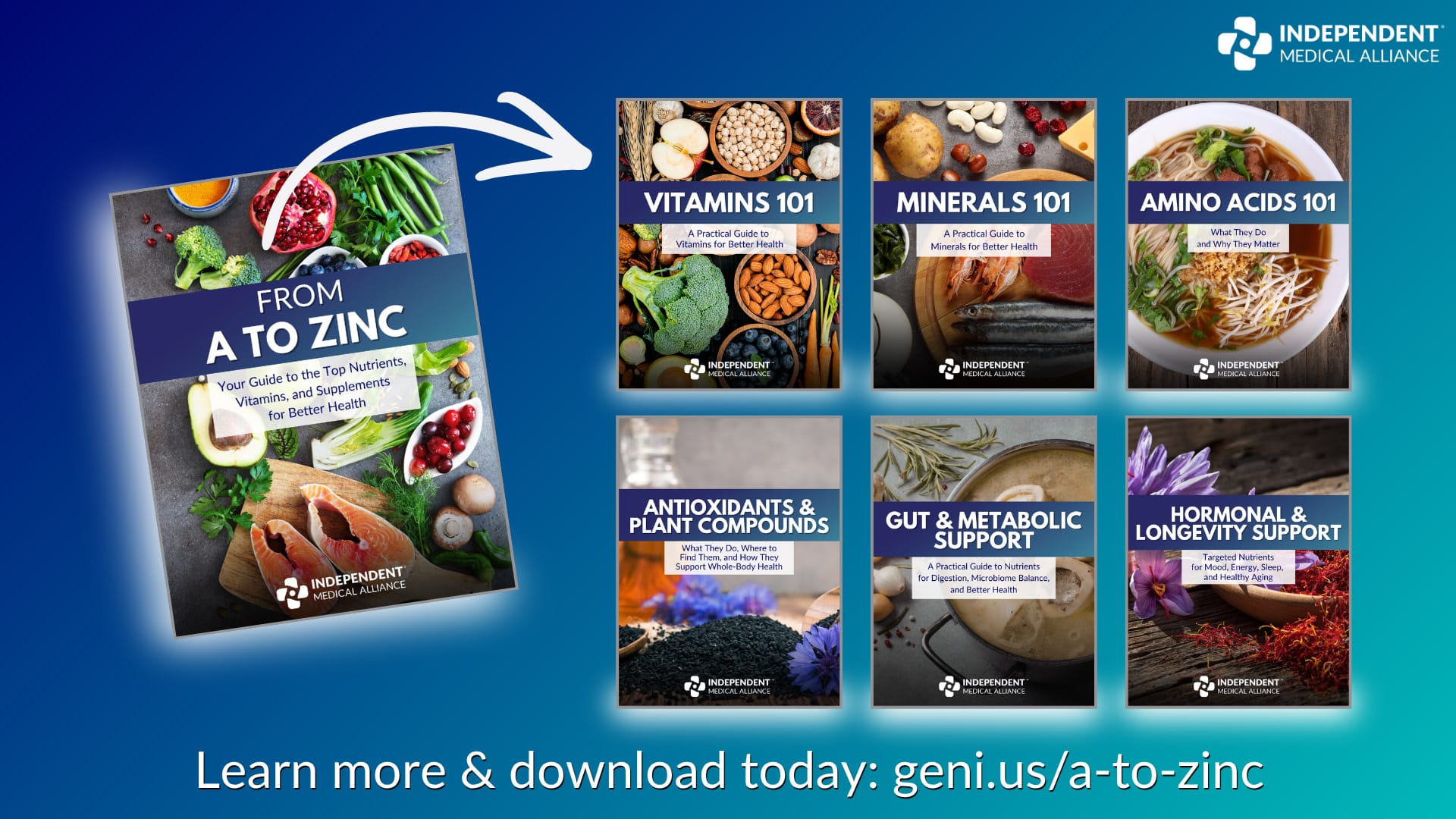
📄 Download the full guide and all six companions at From A to Zinc: The IMA Nutrient Guide.
Related Reading
- Guide: Vitamins 101
- Guide: Minerals 101
- Guide: Amino Acids 101
- Guide: Antioxidants & Plant Compounds
- Guide: Gut & Metabolic Support
- Guide: Hormonal & Longevity Support