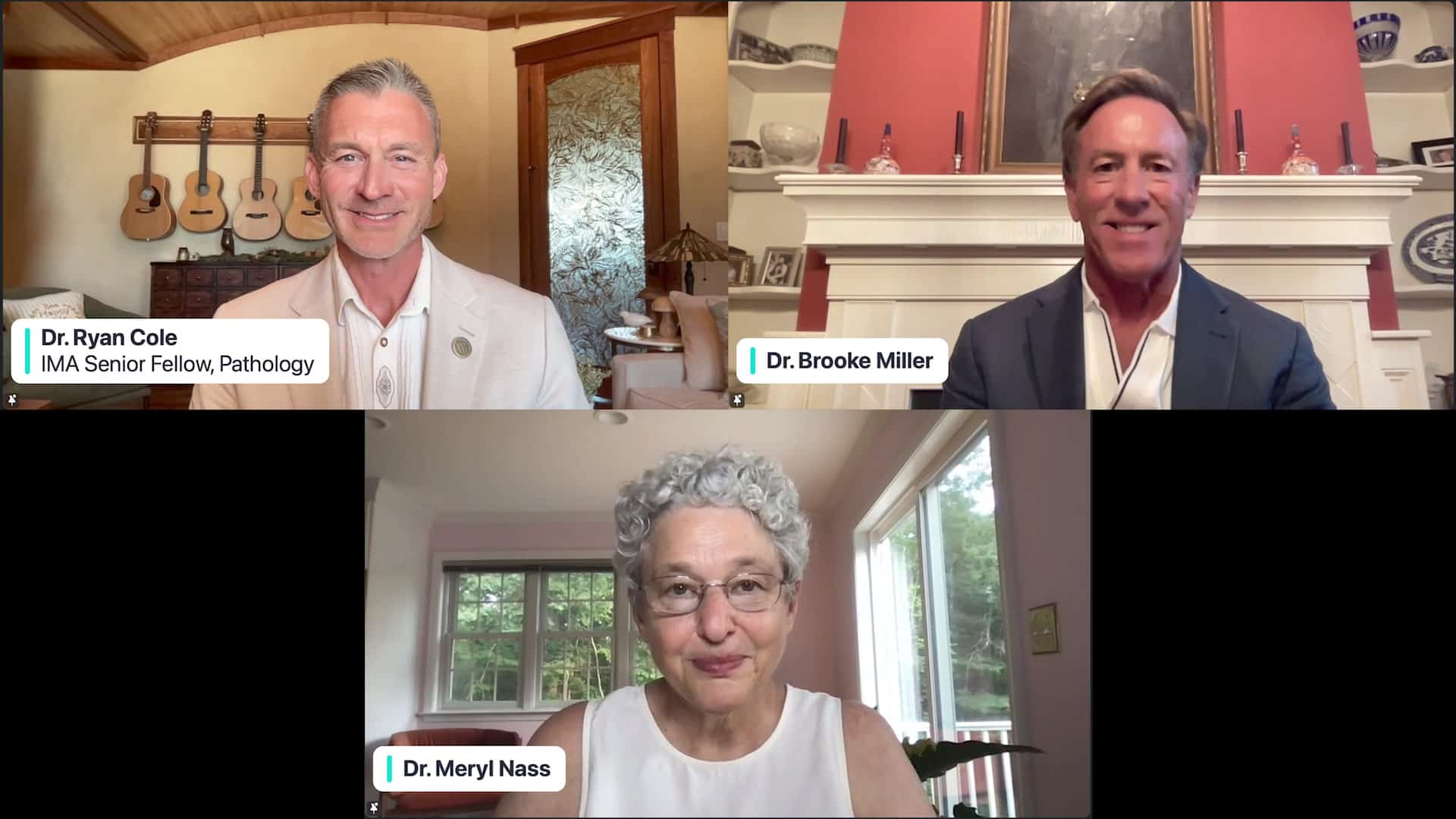
Host: Dr. Ryan Cole Guests: Dr. Brooke Miller, Dr. Meryl Nass
The same playbook that shielded vaccine manufacturers from accountability is now being deployed across America’s state legislatures—this time to protect pesticide companies from liability. As courageous physicians like IMA Senior Fellow Dr. Brooke Miller and longtime advocate Dr. Meryl Nass sound the alarm, a coordinated industry campaign is quietly advancing legislation that would make EPA-approved labels the final word on pesticide safety, effectively blocking Americans from seeking justice when harmed by these chemicals.
Join Dr. Ryan Cole as he hosts this critical conversation exploring the disturbing parallels between vaccine and pesticide liability protections. With several states having already passed or considered these “liability shield” laws, and similar legislation advancing across the country, time is running short to expose this corporate power grab. While Bayer faces billions in Roundup settlements and tens of thousands of pending lawsuits, will Americans lose their fundamental right to hold manufacturers accountable for toxic exposures? The implications reach far beyond the courtroom and into the heart of medical freedom and corporate responsibility.
When the Independent Medical Alliance (IMA) convened a panel of experts to discuss the troubling new pesticide liability protections recently slipped into an appropriations bill, Dr. Ryan Cole posed a critical question: “What does this mean for farmers, ranchers, and your health?”
Dr. Meryl Nass immediately drew a powerful parallel:
“There’s only one industry in the United States that sells a consumer product that has protection from liability lawsuits, and that’s childhood vaccines. […] Now, Monsanto, purchased by Bayer seven years ago, wants to make it impossible to sue for any injury from any pesticide at all.” (04:45)
With these striking words, the stage was set for a frank conversation about the dangers of pesticide liability protection.
The expertise of the panelists uniquely qualified them to unpack this issue. Each doctor combines medical expertise with hands-on experience in farming, ranching, or decades of advocacy in public health. Their diverse yet interconnected backgrounds allowed them to provide crucial insights into how pesticide policies impact not just our health, but also the vitality of American agriculture.
1. What Exactly Did Congress Do?
Quietly, and without debate, Congress inserted a small yet powerful rider—known as Section 453—into the Interior and Environment Appropriations Bill. Dr. Brooke Miller explained clearly why this matters:
“This is a small rider that was snuck in during the dark of night, less than 24 hours before it was voted upon. […] It effectively gives broad, sweeping liability protection to pesticide manufacturers.”
This legislative maneuver would effectively freeze current pesticide labeling standards, prevent new scientific findings from updating those labels, and make it nearly impossible for victims harmed by pesticides to win lawsuits. As Dr. Ryan Cole summarized:
“They’re freezing the science where it is. […] If we scientifically find out something new about these chemicals, we can’t bring that forward. No jury trials, pure liability protection.”
2. What Pesticide Liability Protection Means for Farmers and Ranchers
Far from protecting American agriculture, the rider disproportionately hurts the very people who grow our food. As Dr. Miller emphasized, farmers and ranchers suffer the most direct exposure to pesticides:
“The people at the highest risk for harm are those farmers and ranchers who actually use the pesticides.”
These agricultural workers face serious health risks, often without even realizing it. Dr. Nass pointed out a shocking statistic:
“Farmers have the highest rates of Parkinson’s disease, which is caused by organophosphate pesticides and paraquat—and they don’t necessarily know that. Nobody’s telling them that.”
Rather than safeguarding farmers, pesticide liability protection shields large corporations from accountability, leaving individual growers vulnerable to severe health risks without legal recourse.
3. What Pesticide Liability Protection Means for Your Health
The impact reaches far beyond the farm fields and into your family’s kitchen. Common pesticides and herbicides, such as glyphosate and atrazine, are strongly linked to chronic health problems ranging from metabolic disorders to cancers.
Dr. Miller highlighted alarming research involving our nation’s children:
“A CDC study found 87% of children had detectable levels of glyphosate in their urine. […] There’s good evidence this is toxic and a carcinogen.”
Dr. Cole underscored how deeply these chemicals impact our biological systems, referencing evidence that glyphosate, beyond killing weeds, acts as a broad-spectrum antibiotic that disrupts our gut microbiome, a cornerstone of human health:
“People wonder, ‘I go to Italy and eat all the bread, I come back and I get sick.’ It’s not necessarily a gluten issue, it’s a pesticide or herbicide issue. You’re getting low-dose antibiotics in much of American food.”

4. Dr. Miller: “This is the Complete Vertical Integration of Our Food System”
Beyond immediate health concerns, pesticide liability protections reflect a deeper systemic issue: the complete vertical integration and monopolization of our agriculture and food systems.
Dr. Miller passionately described the concerning reality:
“This is the complete vertical integration of our food system. They want you to do exactly what they say: use their seeds, their pesticides, their chemicals. If you don’t, you can’t sell your product. You’re basically an indentured serf.”
Both Dr. Miller and Dr. Nass emphasized that such consolidation pushes small farmers out of business, restricts consumer choice, and creates dangerous vulnerabilities in our food supply.
Dr. Nass clearly summarized how monopolization has harmed farmers:
“Farmers and ranchers are going under because they can’t make a profit, because large monopolies have come in, taken over industries, and made it difficult for them to survive.”
5. Fighting Back: Supporting Transparency, Small Farmers, and Local Communities
Fortunately, solutions exist, and our panelists offered a clear path forward: supporting decentralized, transparent local food systems and enforcing existing antitrust laws.
Dr. Nass stressed the importance of choosing local food systems:
“If you can possibly get your meat from a local farmer and rancher, please do.”
The panelists encouraged consumers to support legislation empowering local farmers, such as Congressman Thomas Massie’s PRIME Act, which facilitates direct-to-consumer meat sales and reduces unnecessary government regulation.
Dr. Nass issued a direct challenge to lawmakers:
“Tell your congressional representatives: we know you’re voting for industry against the people, and we will not re-elect you.”
Here’s how you can take action right now:
- Contact your representatives: Demand removal of Section 453 from the appropriations bill.
- Support direct-to-consumer farming legislation such as Rep. Thomas Massie’s PRIME Act.
- Choose local food sources whenever possible, supporting small producers.
Share this information widely. Your voice can and will make a difference!
Wrapping up
The core message from our experts is clear: transparency, accountability, and local agriculture are essential to safeguarding our food supply, public health, and the livelihoods of American farmers.
Dr. Nass concluded by underscoring the urgency of action:
“This is the most important thing we’re dealing with now—protecting our food, protecting our children, and our future generations.”
Dr. Miller emphasized resilience through decentralization:
“What we’ve described is the decentralization of our food system—that’s the most resilient.”
Dr. Cole provided a timeless reminder of why food transparency matters:
“Let thy food be thy medicine, let thy medicine be thy food—not chemicals.”
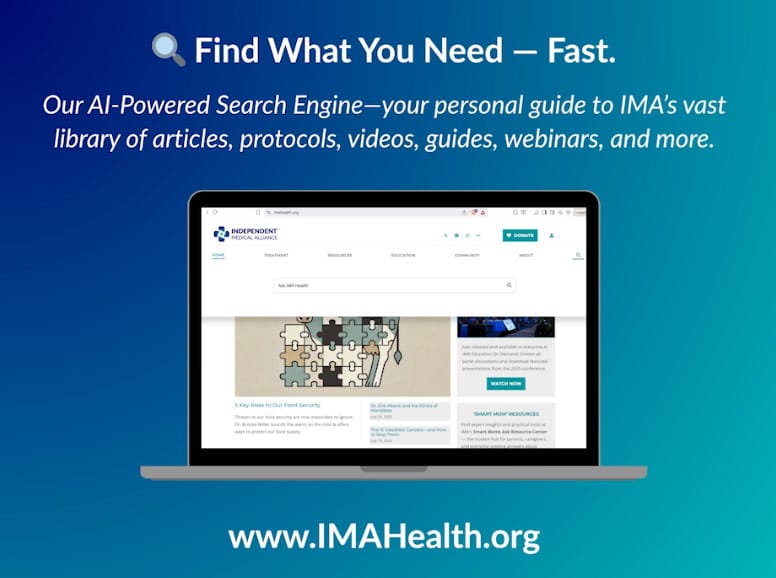
Click the search icon at the top of any page on our site and be amazed by the “results”! Ask questions or search for specific posts.