
Host: Dr. Ryan Cole | Guest: Dr. Paul Marik
The research keeps moving, and so do IMA’s cancer care guides. This week’s webinar reflects the latest updates in an ongoing conversation, one that has grown sharper as Dr. Marik and the team continue working through the evidence on metabolism, immune function, repurposed drugs, and the perioperative window most oncologists still are not addressing.
Dr. Cole and Dr. Marik discuss why individualized treatment decisions matter more than protocol defaults, how vitamin D dosing guidance and repurposed drug cycling have shifted based on new data and patient feedback, and what patients should know about the window around surgery, when a handful of inexpensive interventions may help reduce the risk of metastatic spread.
Meet the Experts
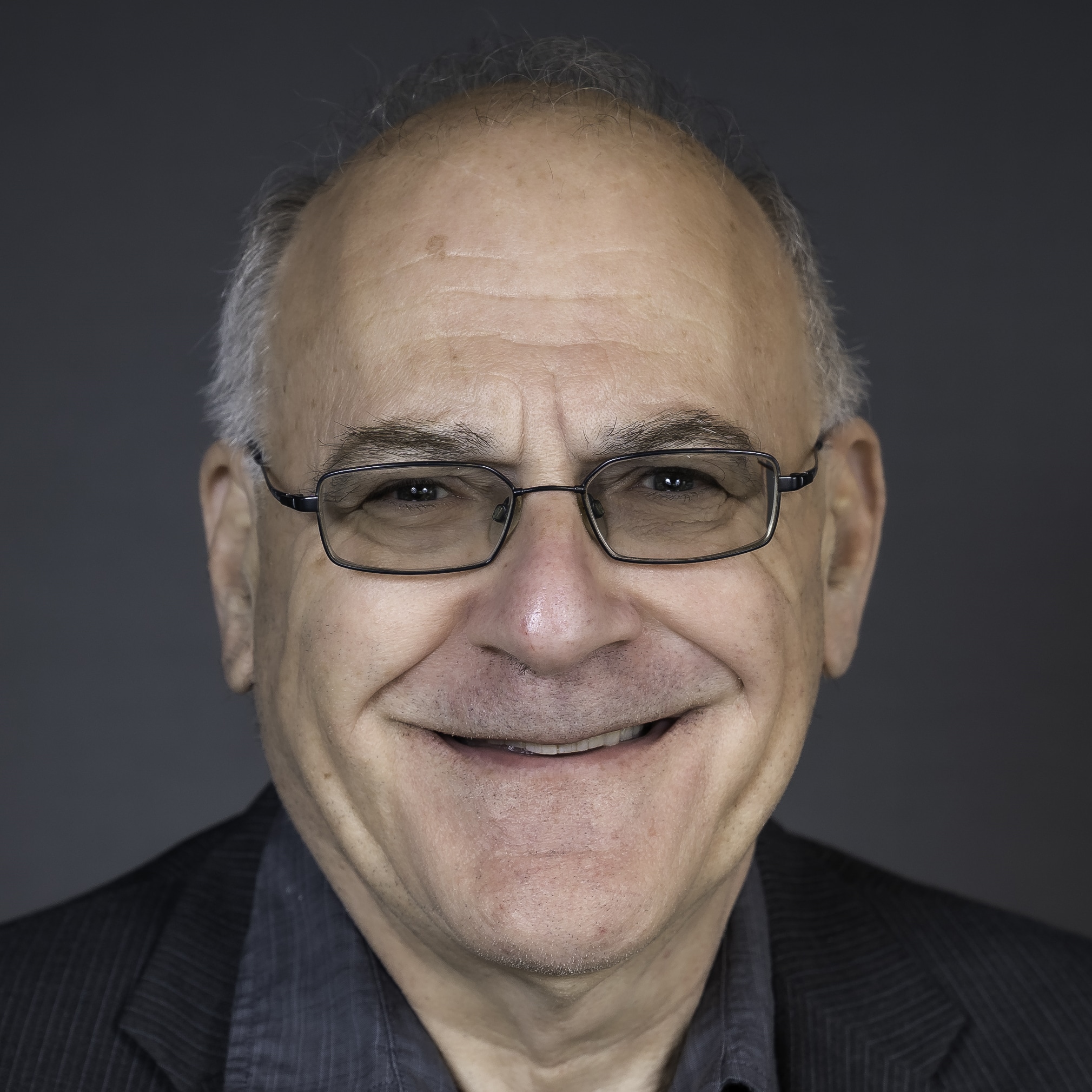
Dr. Paul Marik
Pulmonary and Critical Care Specialist; Chief Scientific Officer, IMA. Dr. Marik is one of the most published critical care physicians in the world and a co-founder of IMA. His work on inflammation, immune function, and repurposed drugs has shaped IMA’s cancer care guides, including the newly expanded perioperative guide. He writes regularly at his Substack.
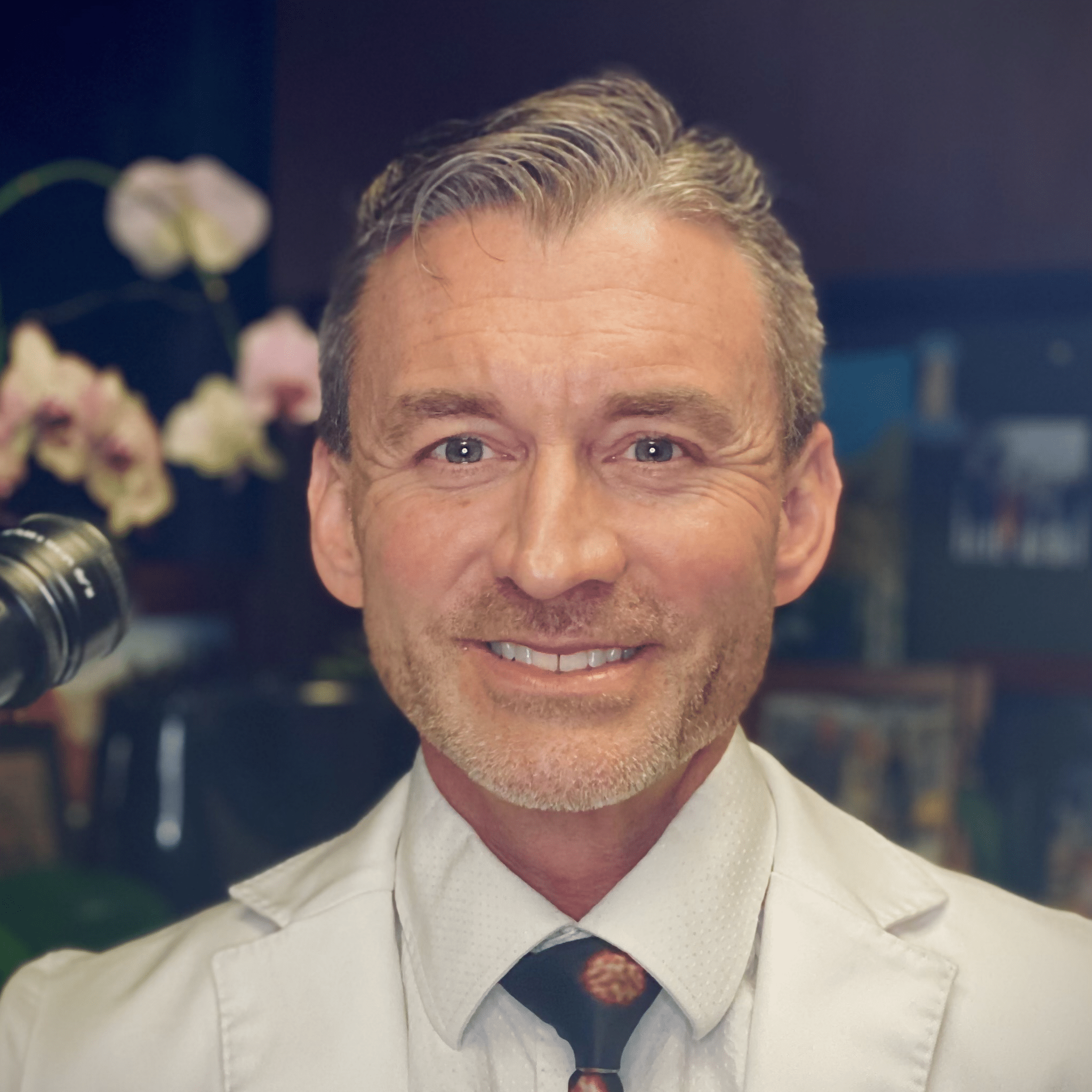
Dr. Ryan Cole
IMA Head of Medical & Scientific Affairs; Senior Fellow, Pathology; Founder, Cole Diagnostics. Dr. Cole brings pathology-level context on tumor biology, adhesion mechanisms, and diagnostic markers. His current research focus includes the role of light and circadian biology in disease prevention.
1. Beyond the Tumor: Why Individualized Care Starts with Lifestyle
The first conversation most oncologists skip is the one about what the patient can control. What you eat, how you sleep, whether you get outside, how you manage stress: these things change the environment your cancer lives in, and the evidence behind them is not small. Glucose control alone changes the metabolic environment the tumor depends on. But according to Dr. Marik, most oncologists still dismiss the question entirely.
“The patient walks into the office of the oncologist and says, what can I eat? The oncologist says, doesn’t matter. Chocolates, cake, crispies. And we know that is categorically absolutely false.”
Dr. Paul Marik
Meanwhile, the default in most practices remains high-dose pulsed chemotherapy, which suppresses the natural killer cells, T cells, and macrophages the body needs for cancer surveillance. For some cancers that tradeoff makes sense: Hodgkin’s lymphoma, testicular cancer, and certain leukemias have strong treatment records with conventional chemo. For many others, Dr. Marik argued, it does not. Dr. Cole’s own mother, 83, ended up septic and in the ICU for weeks after chemotherapy suppressed her neutrophils following a double mastectomy.
Alternatives exist. Metronomic chemotherapy is continuous, low-dose, taken orally, and targets the tumor microenvironment without broadly suppressing the immune system. It has published evidence in breast and colorectal cancers and can run alongside repurposed drugs and nutraceuticals. The point is not to reject chemotherapy. The point is that individualized care starts before any drug enters the conversation, and the system rarely gives patients that chance.

2. Vitamin D and Repurposed Drugs: What’s Changing
IMA’s vitamin D guidance and repurposed drug recommendations have both shifted since these topics last came up on the webinar.
Vitamin D
Nearly every cancer patient Dr. Marik encounters has a vitamin D level below 20 ng/mL. The geographic data tells the same story: as populations move farther from the equator and get less sun, cancer rates climb. Supplementation studies confirm that restoring adequate levels reduces risk. This is not theoretical, Dr. Marik emphasized. This is published, reproducible data.
The dosing framework both physicians endorsed:
- General population: around 50 ng/mL
- Cancer patients: 75 to 100 ng/mL
- Aggressive protocols (Coimbra): up to 150 ng/mL, with parathyroid hormone and calcium monitoring
At higher levels, K2 and magnesium are essential to keep calcium from leaching into circulation.
Dr. Cole added a practical layer from his work on circadian biology. Morning sunlight in the first two hours after sunrise activates clock genes that upregulate P53, a key tumor suppressor, along with protective melanin and retinol pathways. For people with darker skin types in northern latitudes, the need is significantly greater because higher natural melanin acts like a built-in SPF 50. Sunshine also delivers benefits supplementation cannot replicate: nitric oxide production, lower blood pressure, and reduced reactive oxygen species. But most patients still need oral vitamin D to reach protective levels.
“You have to think of vitamin D like fuel in your car tank. You burn through it every day. And when your body is revved because it’s fighting cancer, you’re going to burn through it faster.”
Dr. Ryan Cole
Repurposed Drugs
Cancer cells are metabolically flexible. Target one pathway and they reroute to another, which is why single-agent approaches do not work. Dr. Marik’s “metabolic trap” framework addresses this by targeting at least five major metabolic pathways simultaneously, cutting off the cell’s ability to shift fuel sources.
Two practical updates from this conversation:
- Cycling has been revised: the previous recommendation to alternate doxycycline and mebendazole monthly did not work for every patient. The approach is now individualized.
- Ivermectin dosing is not one-size-fits-all: start at the lowest dose, follow the patient, adjust based on response and tolerance.
Large randomized controlled trials for these combinations will likely never happen. The drugs are generic, the designs are complex, and nobody is funding them. But the observational evidence is substantial. Dr. Cole shared the case of a physician colleague with myeloma whose cancer markers normalized on mebendazole after standard chemotherapy failed. When he told his oncologist, the response was blunt: “It’s not going to change my care.”
“The science is not settled. We’re learning all the time. I learn something new every day. It’s really important not to be dogmatic.”
Dr. Paul Marik
3. The Perioperative Window: Reducing Metastatic Risk Around Surgery
Surgery for cancer dislodges malignant cells into the bloodstream. This can be measured directly: circulating cancer cell counts rise after surgical procedures. Those dislodged cells can travel through the bloodstream, embed in distant tissues, and establish metastases months or years later. The evidence supporting this is not emerging science, Dr. Marik stressed. It is well-established across peer-reviewed literature.
Dr. Marik outlined four interventions with published evidence for reducing perioperative metastatic risk. All of them are inexpensive.
Modified Citrus Pectin
- Derived from orange peel; binds Galectin-3, a protein cancer cells use to stick to blood vessel walls and burrow into surrounding tissue
- No known contraindications
- Must be taken on an empty stomach with no food or other medications (it forms a gel that binds indiscriminately)
Propranolol
- A beta blocker that modulates the adrenergic stress response, helping the immune system target circulating cancer cells after surgery
- Safe at low doses
- Patients should notify the anesthesiologist so heart rate effects can be accounted for
Celecoxib (Celebrex)
- A COX-2 inhibitor that disrupts the inflammatory mediators tumors need to embed in tissue
- Should be avoided in patients with active coronary artery disease
Cimetidine
- An H2 blocker originally developed for peptic ulcer disease
- Has specific evidence in colorectal cancer surgery, where it affects immune function, endothelial adhesion, and the molecules cancer cells use to anchor in new tissue
Timing: begin two weeks before surgery and continue for three to six months afterward. Cost: roughly $30 to $40 per month.
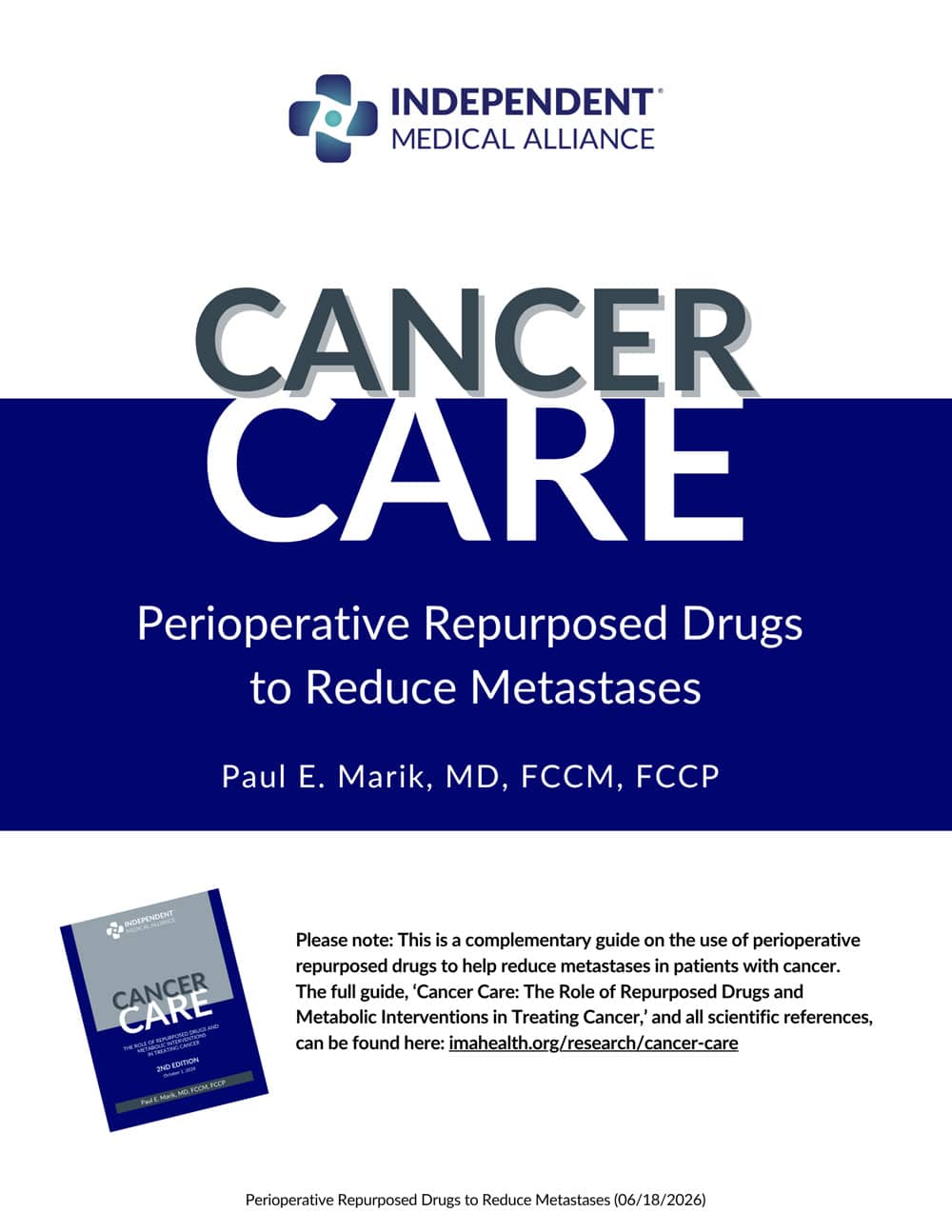
👉 Read more: Perioperative Repurposed Drugs to Reduce Metastases
“Every single patient who is undergoing a surgical procedure for a malignant tumor should receive these safe, effective drugs to reduce the risk of metastases.”
Dr. Paul Marik
What the Pathology Shows
Dr. Cole explained why these interventions matter at the cellular level. Adhesion molecules like ICAM (intracellular adhesion molecule) act as cellular Velcro, holding tumor cells in place. When a cancer loses these molecules, its cells become free-floating and capable of metastatic spread. Specialized stains can detect this loss, which is one reason diagnostic biopsy data matters when planning the perioperative approach.
The question of whether biopsies themselves carry similar risk came up during the audience Q&A. Dr. Cole’s assessment: the risk is significantly lower with biopsies than with full surgery, especially for small-gauge needle biopsies. But for more invasive procedures, both physicians recommended using the same perioperative interventions. The cost of doing so is trivial. The potential benefit is not.
When metastatic treatment costs are considered in comparison, the math becomes hard to ignore. Complex interventions for bone, lung, or brain metastases are among the most expensive in medicine.
“I think it’s medical malpractice to perform surgery on a patient for cancer without giving the patient these pre-operative drugs to reduce the risk of metastatic spread.”
Dr. Paul Marik
Knowledge, Hope, and Teamwork
Dr. Marik’s closing framework applies to everything covered in this week’s webinar. Patients need knowledge of their specific disease, hope that better options exist, and a medical team willing to work with them as partners. They cannot navigate cancer care alone, and they should not have to. But they also cannot afford to remain passive while someone else decides the course.
Related Reading
- Monograph: Cancer Care
- New Guide: Perioperative Repurposed Drugs to Reduce Metastases
- Hub: IMA Cancer Resource Hub
- Course: IMA Academy