
Host: Dr. Kat Lindley | Guest: Dr. Katy Talento
The healthcare industry is the largest lobbying spender in the country, outpacing the next several industries combined. It deploys four to five lobbyists for every member of Congress. Patients, physicians, and the employers paying the bills have almost no organized counterweight. That asymmetry of power is the operating system of American healthcare.
In this episode of the IMA Weekly Show, IMA Senior Fellow Dr. Kat Lindley sits down with Dr. Katy Talento to trace the financial incentives and structural barriers that keep the system locked in place. Talento led health policy on the White House Domestic Policy Council during the first Trump administration, overseeing federal health expenditures across HHS, DOL, and VA. She now builds health plans for employers. Dr. Lindley is a direct primary care physician and Director of the IMA Fellowship Program. Together, they see the same broken machinery from opposite ends of the system.
The conversation moves from diagnosis to action: why lobbying works the way it does, how incentives reward sickness over health, what price transparency has actually accomplished, and where real policy momentum is finally building.
Meet the Experts
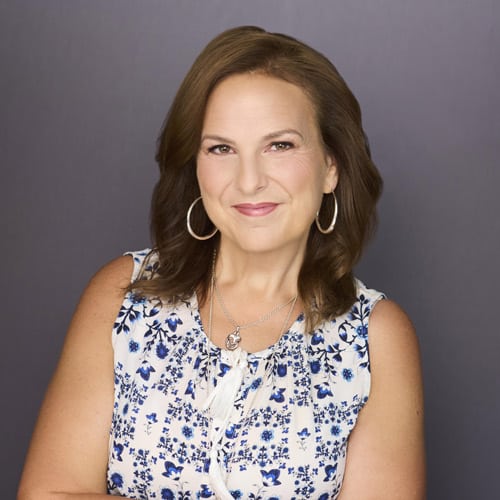
Katy Talento, ND, ScM
Harvard-trained epidemiologist, naturopathic doctor, and former White House health policy advisor. Dr. Talento served as Special Assistant to the President and lead health advisor on the Domestic Policy Council during the first Trump administration, overseeing multi-trillion-dollar federal health expenditures. She now builds health plans for employers and writes about healthcare policy at katytalento.com.
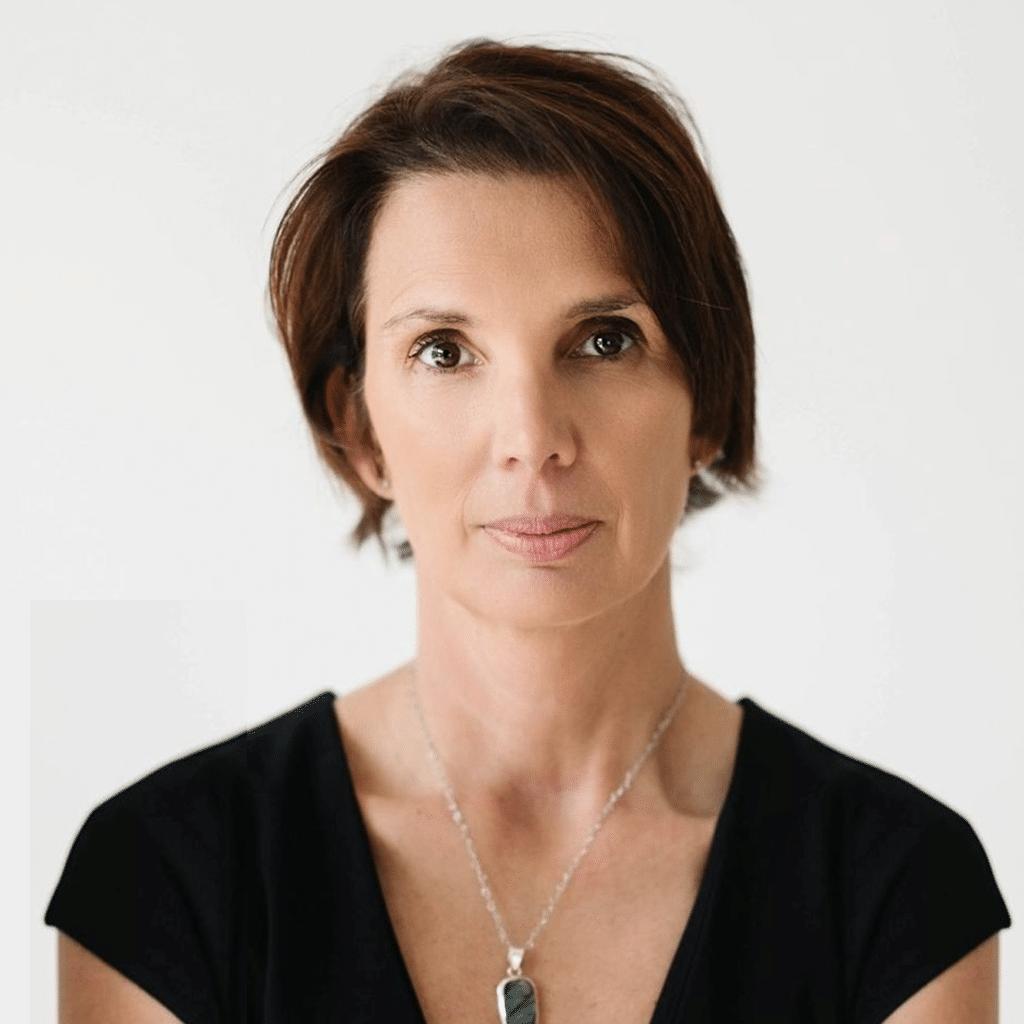
Katarina Lindley, DO, FACOFP
Director of IMA Fellowship Program; Senior Fellow, Family Medicine. Dr. Lindley is a direct primary care physician who has advocated for DPC and price transparency policy on Capitol Hill. She brings a front-line clinical perspective to the structural problems discussed in this episode.
1. Why the System Is Built to Resist Change
The healthcare industry dominates the political landscape. According to Dr. Talento, the industry is the single largest lobbying spender in the country, deploying four to five lobbyists for every one of the 535 members of Congress. The spending flows through lobbying firms, campaign donations, PACs, and trade group influence that together buy something more valuable than votes: access to frame the issue first.
Dr. Talento described how that framing works from the inside. As a Senate staffer, she accepted pharmacy benefit manager talking points at face value because they arrived first. PBM representatives had the meetings, the relationships, and the steak dinners. Patients and employers had none of those things.
“When someone’s salary depends on not changing, they don’t change.” — Katy Talento
The asymmetry runs deeper than lobbying dollars. Employer trade groups, which should represent the purchasers of healthcare, are themselves captured. Organizations like the U.S. Chamber of Commerce and the Business Roundtable count insurance companies and hospital systems among their members. When healthcare policy comes up, Dr. Talento said, those groups defer to their healthcare industry members to set the position, even when that position works against the rest of their membership.
Dr. Lindley confirmed the dynamic from the physician side. During the first Trump administration, she met with congressional staffers to advocate for direct primary care. The staffers had good-faith trust, she said, but most had only heard the industry side of the story. When the only voice in the room belongs to the incumbents, reform stalls before it starts.
2. The Incentive That Keeps Everyone Sick
The structural resistance goes deeper than lobbying. The payment model itself rewards sickness. Dr. Talento put it simply: every actor in the system except independent primary care doctors does better when patients are chronically ill and consuming high-cost services. The exception exists because DPC physicians are paid a flat monthly fee whether their patients need care or not.
“Nobody benefits when patients are well, except people on a Netflix subscription. People on a monthly membership.” — Katy Talento
Medicare still operates on a 1960s fee-for-service model. Providers are paid to do more, not to prevent illness or get patients healthy. Dr. Lindley described how Medicare’s quality metrics reinforce this cycle at the clinical level. Skip any of the required boxes and reimbursement drops:
- Diabetic patients must be prescribed an ACE inhibitor, even if their blood pressure is normal
- Statins are required even when LDL is on target
- A flu vaccine must be administered regardless of context
Hospital consolidation compounds the problem. Dr. Talento explained that hospital systems acquire primary care practices as loss leaders, then pressure those physicians to keep referrals inside the system. Imaging, surgery, the cardiac cath lab: if a physician refers a patient to an independent facility, it comes out of their bonus.
The patient never knows.
Dr. Lindley recognized the pattern from both sides of the exam room.
“Medicine is easy, but healthcare is such a bureaucracy that keeps on feeding itself.” — Kat Lindley
And the burden keeps growing. Dr. Talento said every new employer group she onboards is sicker than the last. The chronic disease epidemic is the single largest driver of healthcare costs, and the system has no financial incentive to reverse it.
🎓 Explore the IMA Academy: conference lectures, CME credits, and open-access courses for professionals and health enthusiasts.
3. What Transparency Can and Cannot Do
Dr. Talento led the price transparency executive order during the first Trump administration, a fight she said required battling free-market conservatives inside the White House who viewed it as regulatory overreach. The Biden administration beefed up enforcement penalties rather than rolling the initiative back. The current administration is pushing even harder on compliance.
Price transparency is necessary, Dr. Talento argued, but the market needs more than data to change. The near-term audience for transparent prices is employers, healthcare sharing ministries, and large purchasers who can use the data to negotiate, direct-contract, and identify fair pricing. Dr. Lindley illustrated the gap with a simple example: a complete blood count costs $2.25 at cash price and $150 through insurance.
“We are sicker, fatter, more anxious, more infertile than ever in human history. And yet we are more medicated and more treated than ever in human history.” — Katy Talento
The deeper problem is contractual. Network agreements prevent employers and providers from cutting out the middleman and paying cash directly. A physician who accepts a cash payment outside their network contract risks violating its terms. Employers who want to steer patients to lower-cost, independently owned facilities have to create workarounds and plausible deniability.
Dr. Talento called these provisions anti-competitive and argued that a single DOJ enforcement case against them could unlock the cash market at scale.
4. Where the Momentum Is
For all the structural resistance, both speakers pointed to real signs of progress.
The Consolidated Appropriations Act of 2026 targets PBM business models by prohibiting conflicted arrangements and outside kickbacks under ERISA, the federal law governing employer-sponsored plans. The provisions extend beyond PBMs to third-party administrators and carriers. Dr. Talento called it “the best policy I’ve ever seen” and estimated it would take effect around mid-2028.
Dr. Talento’s “school choice for healthcare” proposal would allow any dollar a third party pays for a patient to be deposited into a patient-controlled, tax-free account. Under this model, an employer’s $600 monthly contribution would go directly to the employee, who could spend it on ACA coverage, healthcare sharing, direct primary care, health coaching, or even organic food. A significant share of employers, she said, would welcome the option to exit the health plan business entirely.
The dietary guidelines overhaul is already having an impact. Flipping the food pyramid directly affects roughly 40 million people in institutional settings: schools, prisons, nursing homes, and military facilities.
But the most immediate lever, both agreed, is personal agency. Dr. Talento said the only way to meaningfully lower healthcare costs is to need less healthcare. That starts with building a care team before illness strikes.
“Find your people first before you’re sick. Because when you’re sick, you’re vulnerable.” — Katy Talento
Taking the Field
Dr. Lindley closed the episode with a challenge: be the quarterback of your own health. Not the wide receiver. Not the running back. The one calling the plays.
Dr. Talento took it further. Humans have species-specific requirements for food, sleep, sunlight, and connection. Most of us violate those requirements regularly, and the consequences fill our clinics. The policy momentum is real, but it cannot substitute for what each person does at home.
“If you just live like everybody else, you will die young.” — Katy Talento

Related Reading
- Substack: AllBetter by Katy Talento
- Hub: Medicine at 250 Years: Restoring the Roots of American Medicine
- Hub: IMA Cancer Resource Hub
- Course: IMA Academy