
IMA President and Chief Medical Officer Dr. Joseph Varon joined The National News Desk for a quick primer on ivermectin — where it comes from, what it treats, and what its decades-long track record actually looks like. Dr. Varon walks through the drug’s Nobel Prize-winning origins as an antiparasitic, its safety profile across more than four billion doses, and why its clinical uses keep expanding.
The conversation covers how repurposed medications work in practice and why the real question isn’t whether a drug is old or cheap, but whether the evidence, dosing, and patient selection make sense. Dr. Varon prescribes ivermectin daily for conditions including parasitic infections, post-COVID syndrome, and vaccine-related injury, and notes growing research interest in oncology. For patients encountering ivermectin for the first time, or only through the political noise, this is a good place to start.
Check out these related resources from IMA below, followed by the full segment transcript.
Transcript
Jan Jeffcoat: The steady stream of headlines about viral threats and infectious disease has put ivermectin back in the spotlight. The medication has been used to treat millions of patients around the world for decades, but during COVID it became a flashpoint and one of the most politicized drugs in medicine. Joining us now is Dr. Joseph Varon, President and Chief Medical Officer of the Independent Medical Alliance. Good morning to you. Always good to see ya. During COVID, this was often referred to as a horse dewormer. So what is ivermectin? What was it originally developed to treat, and what should people understand about its long history of human use?
Dr. Joseph Varon: First of all, let’s start with the fact that ivermectin is not a horse dewormer. It is a human and veterinary anti-parasitic medication with the longest global safety record in infectious disease. It came from avermectin, which was discovered by Dr. Satoshi Omura and William Campbell, and it won the Nobel Prize because it transformed diseases like river blindness and some other parasitic illness. And so calling ivermectin a horse dewormer is like calling penicillin mold juice. It is catchy, but it’s not a serious medical discussion.
Jan Jeffcoat: And you said the conversation should not be — or should be, rather — clinical and not political. So when you look at the good, the bad, the emerging science on this, how should patients and doctors think about repurposed medications?
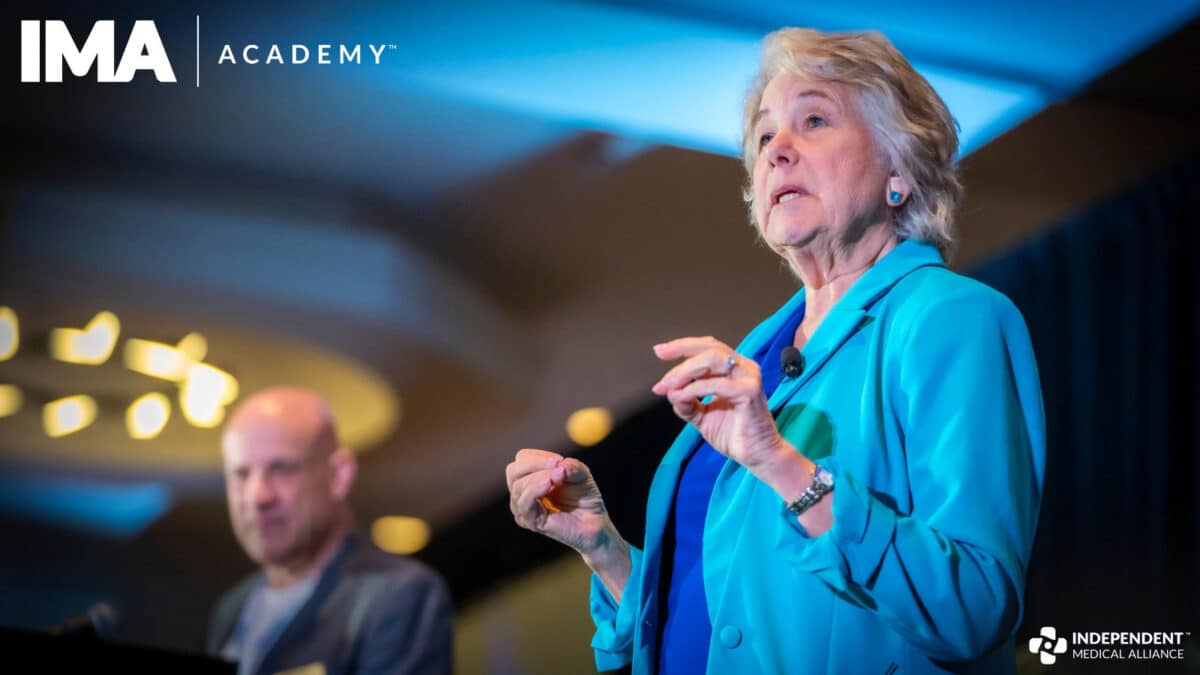
Dr. Joseph Varon: Well, it’s actually interesting that you mentioned this, because last night I gave a whole lecture on this at the IMA webinar. Repurposing drugs is not fringe medicine — it’s actually common medicine. We do it every day. The question is not whether the drug is old or cheap. The question is whether the evidence, the dose, the timing, and the patient selection makes sense. The mistake during COVID was that we stopped debating evidence and we started debating politics. That’s what happened.
Jan Jeffcoat: And one area of confusion that you’ve been talking about just recently — you were talking about the difference between antiviral activity and antiparasitic activity. Can you help us understand those terms, and what it does or does not mean when research suggests the drug may have effects beyond its original purpose?
Dr. Joseph Varon: Yeah, so an antiparasitic drug is designed to treat parasites — organisms like worms or mites. Antiviral drugs target viruses or viral replication. But biology is a bit messy. A drug that is developed for one purpose may show effects on inflammation, on cellular transport, on whether or not the virus enters the cell and things like that. So that doesn’t automatically mean that it’s not effective or effective for something else. One thing is activity in the lab, and that’s what we call hypothesis. But the benefit in the patient is real medicine. So you have two different areas to consider.
Jan Jeffcoat: And are you seeing this effective in your patients?
Dr. Joseph Varon: Oh yes. I mean, we use it every day.
Jan Jeffcoat: You use it every day to treat what?
Dr. Joseph Varon: Every single day to treat a lot of things. Obviously, we use it for the parasitic infections, but there are other things that we’re using it for. We’ve been using it for post-COVID syndrome, for people that have had vaccine-related injury. A lot of people are exploring the options of ivermectin in cancer, believe it or not, which is surprising. So there is a lot of real interesting work in ivermectin.
Jan Jeffcoat: And have you seen any negative or consequential side effects as a result of your patients taking it?
Dr. Joseph Varon: Think about it. It’s been given over four billion doses. And to my knowledge, there is not a single case that has ever been said, “Hey, this patient died because of ivermectin.” So it is safer than an aspirin. Yes, you can have some stomach and intestinal side effects in some patients. Some people may feel a little dizzy, but it’s so rare, and this is at a very, very high dose. So very, very unusual.
Jan Jeffcoat: All right. Dr. Joseph Varon, fascinating conversation here. Thank you so much for helping us take a more perhaps balanced approach at this medication. And for more information from the Independent Medical Alliance, you can visit imahealth.org.