What are peptides, and should you be using them? Download this free guide for a clear, clinical overview of how peptides work, common forms, safety considerations, and how they fit into a holistic health framework.
Peptides are gaining serious attention in integrative and functional medicine, but with that interest comes a lot of noise. What are they, exactly? How do they differ from hormones or supplements? And are they right for you?
This guide, created by IMA Senior Fellow Dr. Kristina Carman, offers a clear, clinical primer on what peptides are, how they work in the body, and what to consider before using them.
📖 What’s in the Guide?
This guide breaks down the basics of peptides in a concise, clinician-friendly format, including:
- 🔬 Peptides: A Simple, Clinical Explanation
- 🧩 Common Categories of Peptides
- 💊 Common Forms of Peptides
- ⚠️ Important Safety Notes
- 🌿 Peptides in a Holistic Framework
1. 🔬 Peptides: A Simple, Clinical Explanation
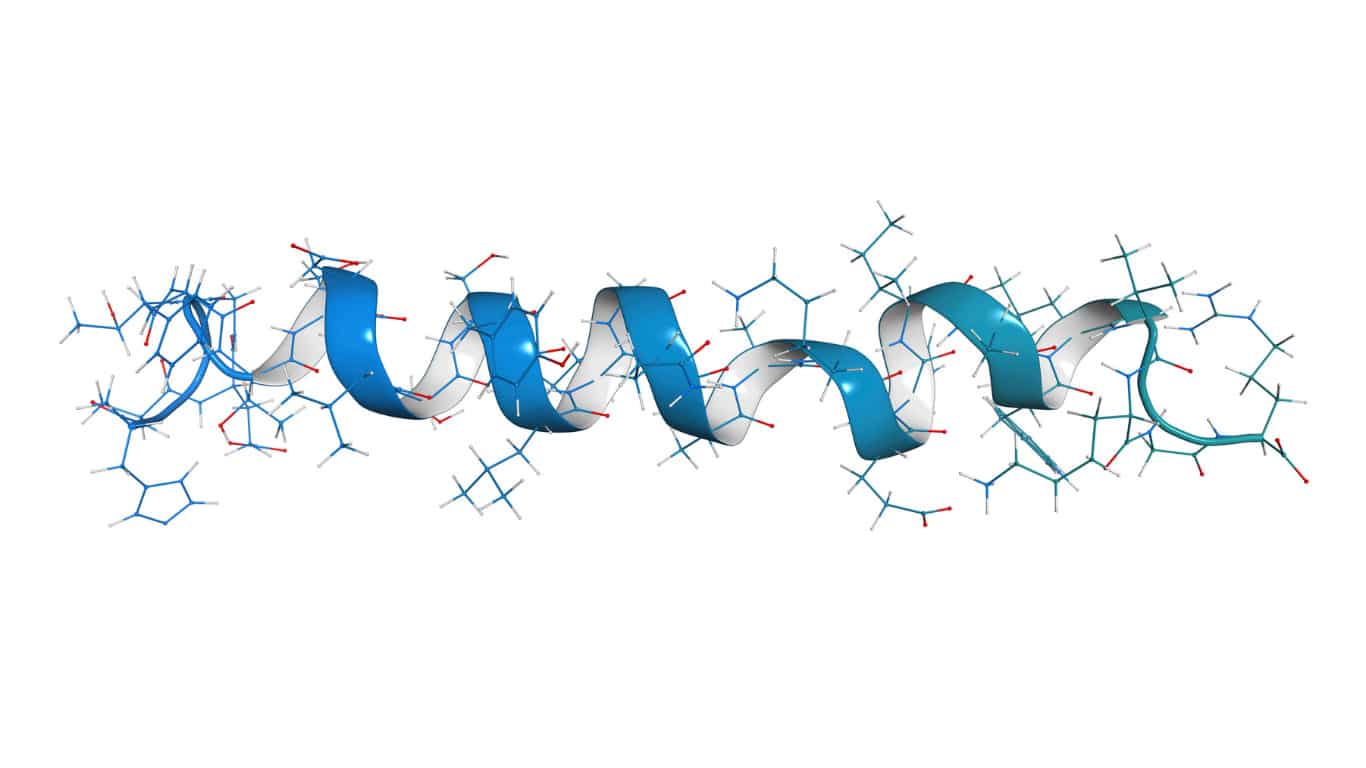
Peptides are short chains of amino acids that act as biological signaling molecules. Think of them as messengers: not drugs, hormones, or nutrients, but instructions. They bind to specific receptors on cells and trigger targeted responses, including:
- Tissue repair
- Immune signaling
- Inflammation modulation
- Growth and regeneration cues
Unlike hormones, which tend to act broadly, peptides act precisely, working with existing physiology rather than overriding it.
2. 🧩 Common Categories of Peptides
The guide organizes peptides into five functional categories:
- Regenerative & Repair: tissue healing, musculoskeletal recovery, post-injury support
- Immune & Inflammatory Modulation: gut lining support, immune signaling balance, skin & barrier health
- Cognitive & Neurological: stress response signaling, focus and resilience pathways
- Metabolic & Body Composition: appetite signaling, growth hormone pathways, muscle preservation
- Skin & Cosmetic: collagen signaling, wound healing, skin integrity
3. 💊 Common Forms of Peptides
The form matters for absorption and effect. Not all peptides are effective in all forms:
- Injectable (subcutaneous): most reliable absorption
- Oral / Capsule: limited stability for many peptides
- Sublingual / Buccal: bypasses digestion for some peptides
- Nasal: often used for neurologic signaling
- Topical: primarily cosmetic or localized use
4. ⚠️ Important Safety Notes
Peptides are bioactive, meaning they create real physiological effects. Key considerations include:
- Quality and sourcing
- Proper storage
- Individual health status
- Timing and duration
- Professional guidance
“Natural” does not always mean “risk-free.”

5. 🌿 Peptides in a Holistic Framework
Peptides work best when foundations are already in place:
- Adequate protein & nutrition
- Gut health & digestion
- Sleep & nervous system regulation
- Inflammation management
Peptides amplify signals: they don’t replace lifestyle or nutrition. They are tools, not miracles, and are best used strategically and temporarily.
Want to go deeper? IMA recently hosted two webinars on this topic: