
Host: Dr. Kristina Carman | Guests: Dr. JP Saleeby, Dr. Daniel Bahnmiller
Peptides have moved from niche biohacker circles into mainstream conversation. GLP-1 drugs made headlines, longevity clinics are expanding, and patients are arriving at appointments already asking about BPC-157, thymosin, and “the Wolverine stack.” But with the excitement comes confusion, overselling, and real questions about safety and efficacy.
Patients want to know: What actually works? What’s hype? How do I know if peptides are right for me? And if I’m already dealing with chronic illness, hormonal issues, or autoimmune conditions, what do I need to be careful about?
For clinicians, peptides present both opportunity and responsibility. They’re powerful tools, but they’re not shortcuts. Used irresponsibly, they can waste money, create new problems, or distract from the foundational work that actually moves the needle.
This is the second installment in IMA’s peptide education series. In Part 1, IMA Senior Fellows Dr. JP Saleeby and Dr. Mollie James introduced peptide basics and addressed common patient questions. Tonight’s conversation goes deeper into clinical applications, responsible use, and where the science is heading.
Three clinicians with hands-on peptide experience sit down for a practical, grounded conversation. Dr. JP Saleeby brings expertise in complex chronic illness and functional medicine. Dr. Daniel Bahnmiller brings decades of experience in hormonal and sexual health. And last but not least, our host IMA Senior Fellow Dr. Kristina Carman, keeps the focus on foundational health and the basics that can’t be skipped.
Meet the Experts

Dr. Kristina Carman is an IMA Senior Fellow and naturopathic doctor with credentials in nutrition therapy and functional medicine (ND, NT, IFM). She is a core contributor to IMA educational programming and author of the IMA Men’s Health Guide. Her clinical focus centers on foundational health, nutrition, and lifestyle medicine.

Dr. JP Saleeby is an IMA Senior Fellow in Functional and Integrative Medicine and medical director at Carolina Holistic Medicine. A core contributor to the IMA I-RECOVER treatment guide, Dr. Saleeby spent nearly two decades in emergency medicine before shifting focus to complex chronic illness, including long COVID, Lyme disease, and mold illness. He is the author of Wonder Herbs: A Guide to Three Adaptogens and operator of the Carolina Holistic Medicine clinic.
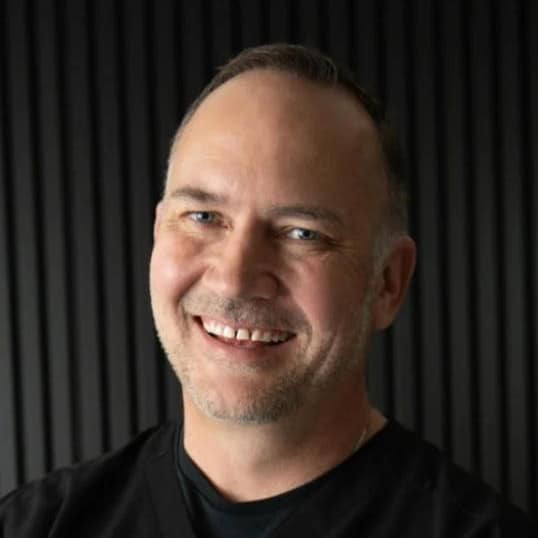
Dr. Daniel Bahnmiller
Dr. Daniel Bahnmiller is an OBGYN and Medical Director with over 25 years of experience in obstetrics, gynecology, surgery, and hormonal health. Fellowship trained in hormonal and sexual health, he focuses on optimizing hormonal balance, sexual wellness, and tissue healing across all stages of life. He is a member of ISSWSH, ISSM, NAMS, and other professional societies.
1. What Are Peptides, Really?
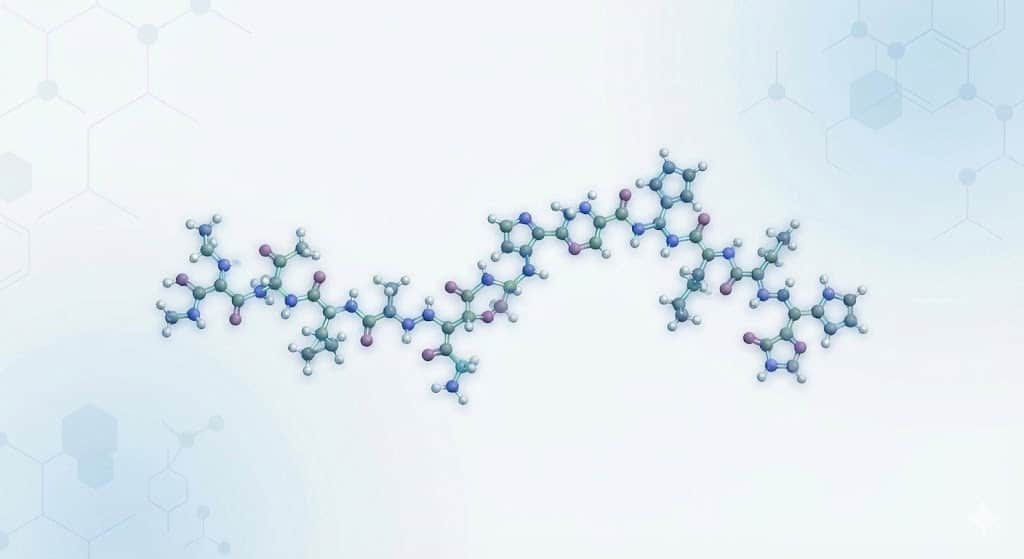
Peptides are a “trigger word” right now, as Dr. Bahnmiller puts it, but they’re not new. Insulin is a peptide. So is oxytocin. What’s changed is the growing interest in a broader range of peptides for therapeutic use, and with that interest comes a lot of confusion.
At the most basic level, a peptide is a short chain of amino acids, typically fewer than 50, that triggers a specific action in the cell. “We’re not recreating the wheel,” Dr. Bahnmiller explains. “We’re basically starting to learn and understand new ones.”
Where peptides differ from nutraceuticals is in what they do. Nutraceuticals supply what the body needs: vitamins, minerals, amino acids. Peptides, on the other hand, direct the body on how to heal, process, or regulate. They’re messengers.
“They are like messengers, just like steroid hormones can be messengers like your testosterone and your progesterone and your thyroid hormones,” Dr. Saleeby says. “Peptides are too. They’re very small chains, sometimes as few as three amino acids long and up to about 40 or 50. And as messengers, they may be a little cleaner than steroid hormones.”
The nomenclature can be intimidating. “BPC-157 or MOTC or CJC,” Dr. Saleeby notes:
“That can be confusing and daunting. And it looks like brand new and exciting. But you can get in trouble if you don’t understand how they work.”
Using multiple peptides in conjunction can be complementary and synergistic, but that complexity is exactly why both doctors urge caution, especially for clinicians just starting out.
2. The GLP-1 Effect: How Peptides Went Mainstream
If there’s a single reason peptides are now part of mainstream conversation, it’s the GLP-1 agonists. Drugs like semaglutide brought peptides out of the longevity clinic and into the evening news.
“I think the big surge of it is going to relate a good part to the GLP-1s,” Dr. Bahnmiller says. “Before, people struggled with weight loss. But then you throw a GLP-1, everybody knows that, hey, all these people that couldn’t lose weight lost weight. And so you get the excitement around it.”
The excitement is real. So is the overselling.
Both doctors are clear: GLP-1s can be a useful jumpstart, but they are not meant for long-term use, and the rebound problem is serious. Patients lose both fat and muscle while on these drugs. When they stop, they regain fat, but not muscle, leaving them in worse metabolic shape than before.
“What’s happening is folks are gaining all the weight back, but they’re not gaining the muscle back, they’re getting fat,” Dr. Saleeby explains. “So the ratios of muscle mass to fat mass is not ideal. And actually, you’re in a worse spot.”
Dr. Bahnmiller adds that the problem is compounded when patients aren’t getting adequate protein or haven’t optimized their hormones while on the medication. “They lose muscle mass if they just do that. So that’s an improper use of the GLP-1s.”
The biohacker and anti-aging crowd has driven much of the demand, sometimes self-prescribing peptides obtained online. That’s a recipe for problems. “You have to be careful with them,” Dr. Saleeby warns, “because they’ve already experimented.”
3. Foundation First: Why Peptides Can’t Replace the Basics
If there’s a single message that runs through the entire conversation, it’s this: peptides are not a shortcut around foundational health.
Diet. Sleep. Exercise. Sunlight. These cannot be skipped.
“You can’t just island hop over that fundamental stuff,” Dr. Saleeby says. “The stuff, Kristina, that you teach your patients about good nutrition and diet, the proper supplements, right amount and right type of exercise. You can’t say, well, I’m going to sit on the couch and watch Netflix, but I’m going to pop a couple of peptides to make up for that. That’s not the way to do it.”
Dr. Bahnmiller takes it further. In his practice, he addresses hormones before layering in peptides, especially for perimenopausal and postmenopausal women. Testosterone plays a much larger role than most people realize, not just in muscle and libido, but in joints, ligaments, inflammation, and sleep quality.
“If you fix their sleep, 50% of their chief complaints go away,” Dr. Bahnmiller says. “Fix their sleep, fix their nutrition, and you might not have to do anything else.”
Dr. Carman closes the webinar with the same emphasis:
“Don’t forget about the basics, guys. It’s always about the diet, the nutrition, the sleep, the exercise, the sunlight. All of that can never, ever, ever be replaced by a quick fix.”
📄 Download the slides from Part 1 of our Peptides Webinar Series.
4. Peptides in Practice
Where do peptides show clinical promise? The conversation covers three major areas: orthopedic and tissue repair, neurodegenerative conditions, and hormonal and sexual health. Each comes with its own set of peptides, protocols, and caveats.
Tissue Repair and Orthopedic Health
For orthopedic issues, the go-to combination is BPC-157 paired with TB4-frag (also known as TB500). This pairing has roots in research from the former Soviet Union, where athletes were injected with BPC-157 and returned to play in weeks rather than months.
Dr. Saleeby shares a striking case from early in his peptide experience. A long-term patient was facing bilateral knee replacement surgery. “She was mortified. So she said, what else can I do?” He put her on a two-month course of BPC-157 and TB4-frag. Months later, she had lost 60 pounds because she could finally get to the gym.
“She said, guess what, actually, I canceled my surgery.”
Years later, she remains pain-free on just that one course.
“She’s maintained her bone health. There’s no degenerative changes in her knees anymore. I was floored.”
But the honest caveat matters:
“I’ve tried that combination on other folks with hips, and with other situations, and it doesn’t seem to work as well. So it’s kind of a hit or miss thing.”
The art of medicine still applies. Not every peptide works for every patient, and over time, clinicians develop a feel for who might respond.
Neurodegenerative Conditions
This is still early territory, but it’s exciting. The current pharmaceutical options for Alzheimer’s and dementia are limited.
The keystone issue, according to Dr. Saleeby, is neuroinflammation. Peptides that reduce inflammation in the central nervous system are showing promise: TB500 (thymosin beta-4 frag), Semax, Selank, and Thymosin Alpha-1 (TA1).
For conditions like Parkinson’s, where mitochondrial dysfunction, inflammation, and neurodegeneration intersect, there are mitochondrial-enhancing peptides worth watching: 5-amino-1MQ, MOTS-C, SLU-PP-332, and FOX04. Some of these are also used by biohackers for longevity.
It’s still too early for definitive answers, but the potential is there.
Hormonal and Sexual Health
Dr. Bahnmiller’s specialty area brings a different lens. For decreased desire, particularly in women, the peptide PT-141 (Bremelanotide, brand name Vyleesi) is a common tool. It’s a melanocortin-stimulating hormone, which is why it’s also used in the UK for skin darkening.
But here’s the nuance: PT-141 works much better when the hormonal baseline is already optimized.
“If you don’t have a good baseline with your testosterone, estrogen, you kind of, if you just do PT-141 or Bremelanotide, they really don’t get a good response.”
This circles back to foundation. Testosterone plays a major role in joints, ligaments, inflammation, and sleep, not just muscle and libido. When testosterone starts dropping, cortisol rhythms shift, and sleep quality suffers. That’s why Dr. Bahnmiller addresses hormones first, then layers in peptides where appropriate.
For sleep support, he uses valerian root to promote deep sleep (as opposed to melatonin, which helps with sleep onset), and for intractable insomnia, Dr. Saleeby reaches for DSIP (Delta Sleep Inducing Peptide) before Ambien.
5. How to Use Peptides Responsibly
All the doctors emphasize simplicity. “Keep it simple, silly,” Dr. Saleeby says, “because it gets very expensive and it can be very complicated.”
The practical advice:
- Start with one peptide. Evaluate for two to three months.
- If it’s not working after three months, it’s probably not going to work. Switch or stack.
- Stacking means using two peptides that target synergistic pathways for amplified effect.
- Pulsing means alternating peptides over time.
- Maximum duration for most peptides is about six months. Bioregulators, which are organ-specific, can be taken longer term.
Dr. Saleeby notes that bioregulators might even be used as a “head start” before introducing peptides, based on recent thinking from Dr. Kent Holtorf, who has introduced many peptides to American clinicians.
For clinicians new to peptides, the advice is clear: pick four or five peptides in your lane, get deeply comfortable with them, and then expand. Don’t try to master the hundreds available all at once.
And don’t ignore cost. Peptides are expensive. “Don’t waste patients’ money,” Dr. Saleeby says. If something isn’t working, acknowledge it and move on.
6. Delivery Methods: What Works and What Doesn’t
Not all peptides can be taken the same way. Delivery method matters, just as it does for nutraceuticals and hormones.
- Subcutaneous injection is the most effective route for most peptides. Like insulin, many peptides simply can’t survive the gut.
- Oral/capsule works for a handful of gut-stable peptides, but only a handful.
- Sublingual (dissolving tablets or drops) is somewhat effective for certain peptides, like PT-141 and pinealion.
- Intranasal delivery works well for peptides like Selank and Semax, especially for migraines.
Dr. Carman draws a parallel to her work with supplements. Delivery method matters across the board: liposomal delivery, tinctures, patches, and capsules all have different absorption profiles. What works for one patient may not work for another.
Dr. Bahnmiller adds that even topical applications matter. Testosterone cream applied to mucosal membranes absorbs better than on regular skin, and different skin locations have different receptor densities. The same principle applies to peptides: understand the delivery mechanism and follow up to see if it’s working.
7. The FDA, Regulation, and the Access Question
In September 2023, the FDA cracked down on 17 peptides being compounded, including Thymosin Alpha-1 (TA1). Context matters here: TA1 was being used to help patients with COVID lung, and it was working. “I think that didn’t agree with the narrative,” Dr. Saleeby says. “So the FDA banned that immediately.”
A year later, the FDA doubled down with threats of incarceration and fines for compounding pharmacies that continued to produce the banned peptides. Many pharmacies stopped. But the peptides are still available for research purposes and veterinary use, and patients can obtain them online from various sources.
This puts clinicians in an awkward position. Some now recommend rather than prescribe certain peptides, leaving patients to obtain them on their own. Dr. Saleeby instructs his patients to be careful about sourcing and quality.
When asked whether the restrictions are really about patient safety, lack of evidence, or federal scheduling, Dr. Saleeby is direct:
“Follow the money trail. Pharma is not investing in too much research in some of these peptides because they are available without prescription. So there’s not a whole lot of money to be made, but they will interfere with what pharma is trying to push.”

8. Audience Q&A Highlights
Mast Cell Activation Syndrome (MCAS)
Dr. Saleeby treats a lot of MCAS in his practice, often as a consequence of COVID spike protein injury or chronic Lyme. He doesn’t start with peptides. Instead, he uses H1/H2 blockers, montelukast (with a plan to transition to safer alternatives), and low-dose naltrexone (LDN). For patients who can tolerate it, M-loxinox is often the best single agent.
Micro-dosing GLP-1s is showing promise for MCAS, but Dr. Carman emphasizes looking for underlying drivers. “Sometimes it’s not the MCAS itself. It’s often activated or pushed into the scenario because of something else,” like Epstein-Barr, Lyme, or other viral reactivation.
HCG and Testosterone
Dr. Bahnmiller explains that HCG and testosterone precursors have limits. The body’s machinery for producing testosterone declines with age, and you can’t turn it back on with precursors alone.
What does work? Simple interventions:
- Early morning sun exposure for the first 20 minutes, without sunscreen or sunglasses, to stimulate testosterone production
- 30 grams of protein at breakfast, which also increases growth hormone
- Zinc
- Exercise
Hashimoto’s and Thyroid Autoimmunity
For autoimmune thyroid conditions, Dr. Saleeby leans on LDN and thyroid-specific bioregulators rather than peptides. “Anyone with autoimmune, I’m putting them on LDN,” he says, noting its expanding uses for pain control, depression, and other conditions.
Tapering Off Ambien with DSIP
Yes, DSIP can help, but careful slow tapering is essential. Dr. Saleeby does a lot of polypharmacy reduction in his practice. “I’m mortified at the vast number of meds people come in on. And usually by when I’m done with them, they’re down to one or two from like 20.”
Nobody is steering the ship when patients see multiple specialists who each add medications without considering the whole picture.
More Peptides Resources
Don’t miss Part 1 of our Peptides Series: Unpacking Peptides: Benefits, Risks, and Answers to Your Questions — featuring Dr. JP Saleeby and Dr. Mollie James.
Peptide Information & Research
- Peptide Sciences: peptidesciences.com — sells oral, subcutaneous, and topical peptides directly to the public; also offers extensive educational resources, research references, and an ebook on peptide basics
- Bioregulators at Peptide Sciences: peptidesciences.com/bioregulators — information on organ-specific peptides
- Limitless Life Nootropics: limitlesslifenootropics.com
- Integrative Peptides: integrativepeptides.com — Dr. Kent Holtorf is founder and chief formulator; includes info on peptides and bioregulators
- BioLongevity Labs: biolongevity.com — published research references (NIH) on peptides
Recommended Reading
- Peptide Protocols by Dr. William Seeds (3 volumes) — foundational reference material on how peptides work for improving health and clinical outcomes
- The Complete Guide to Peptides by E.J. Rico — a guide to cellular repair, recovery, and rejuvenation; Rico is considered a top researcher alongside Dr. Seeds
- Peptides Made Simple by Matthew Farrahi — usage, dosing, cycling, and more
- BPC-157: The Promise and Perils of a Healing Peptide by Alex Apple — a balanced look at the popular gut and tissue-healing peptide
- The Peptide Therapy by Nathan Veyne — protocols, dosages, and combinations for fat loss and muscle growth
- Peptide Power by Dennis E. Cannon — focused on using peptides for age-related decline
- The Power of Peptides by Claudia Von — practical, evidence-based guidance for women
For Clinicians
- A4M (American Academy of Anti-Aging Medicine) — Conferences and lectures on peptides and longevity medicine
- AMMG (Age Management Medicine Group) — Educational programming including peptide-focused content
- IFM (Institute for Functional Medicine) — Integrative approaches including peptide applications
- ILADS (International Lyme and Associated Diseases Society) — Online programs and recorded events (membership required)
- Dr. Kent Holtorf lectures — Available through multiple sources including the Gordon Medical Group; covers peptides and bioregulators extensively
- Priority Health Academy — Dr. Saleeby’s Reformed FxMed & Mentorship Program offers lectures, Substack posts, Masterclasses, and monthly Q&A sessions covering functional medicine topics including peptides