
A guide to men’s movement, muscle, and metabolism, exploring how strength training, hormones, and metabolic health work together to support energy, resilience, and longevity.

Muscle is often framed as something for athletes or bodybuilders, a cosmetic pursuit disconnected from real health. But muscle is far more than appearance. It’s a metabolic organ, a hormonal regulator, and one of the strongest predictors of how well men age, recover, and perform.
Yet starting as early as age 30, men begin losing muscle mass, a process called sarcopenia. Without intentional resistance training, adequate protein, and hormonal support, this decline accelerates quietly, contributing to fatigue, weight gain, insulin resistance, brain fog, and even depression. By the time symptoms become obvious, years of metabolic ground may already be lost.
This guide, created by IMA Senior Fellow Dr. Kristina Carman, takes a whole-body, functional approach to understanding the connection between movement, muscle, and metabolism. The goal isn’t aesthetics. It’s building the foundation for energy, resilience, and long-term vitality.
📖 What’s in the Guide?
This guide walks through the science of muscle as a metabolic engine, the types of movement that support hormones and longevity, and the nutrition and supplements that fuel performance and recovery.
- 💪 Muscle: The Metabolic Powerhouse
- 🏃 Movement for Hormones & Metabolic Health
- 🧪 Metabolic & Recovery Markers to Monitor
- ⚠️ Functional Clues of Muscle Loss or Underuse
- 🔄 Movement Types That Support Hormonal Health
- 🧠 Nervous System & Movement: Sympathetic vs Parasympathetic Balance
- 🥩 Nutrition for Muscle & Metabolic Health
- 💊 Key Supplements for Muscle, Movement & Metabolic Health
1. 💪 Muscle: The Metabolic Powerhouse
Muscle is not inert tissue. It’s dynamic, endocrine-active, and metabolically intelligent. Building and maintaining lean mass directly influences how well your body regulates blood sugar, produces hormones, manages inflammation, and generates energy.
Key functions covered in this section include:
- Glucose disposal and insulin sensitivity: skeletal muscle is the primary site for glucose uptake, acting like a sponge for blood sugar and reducing diabetes risk
- Mitochondrial density and energy production: more active muscle means more robust mitochondrial function, improving endurance and fat oxidation
- Hormonal support: resistance training naturally boosts testosterone, DHEA, and growth hormone
- Inflammation buffering: muscle tissue produces myokines, anti-inflammatory compounds that protect against chronic disease
- Healthy aging and mobility: grip and leg strength are stronger predictors of survival than blood pressure or cholesterol in men over 60
The guide includes a clinical pearl: even a 10% increase in muscle mass can dramatically improve insulin sensitivity, without any change in diet.
2. 🏃 Movement for Hormones & Metabolic Health
You don’t need to be a bodybuilder, but you do need to move with intention. This section outlines the three pillars of movement that support metabolic and hormonal health:
Strength training (2–4x/week)
- Compound lifts like squats, deadlifts, push-ups, and rows build functional strength
- Promotes testosterone, DHEA, and growth hormone production
- Enhances bone density and reduces fracture risk, especially after age 40
Daily movement (NEAT)
- Walking, standing, gardening, and light activity burn calories and regulate metabolism
- 7,000–10,000 steps/day is associated with lower all-cause mortality
- Encourages glymphatic flow and brain detox, especially after meals
Mobility, recovery, and nervous system reset
- Foam rolling, stretching, yoga, and breathwork support parasympathetic tone
- Necessary for testosterone production, digestion, and injury resilience
- Reduces chronic inflammation by shifting the body out of fight-or-flight

3. 🧪 Metabolic & Recovery Markers to Monitor
Tracking fitness and hormone health goes beyond the scale. The guide outlines labs and metrics that help assess real progress:
- Waist-to-hip ratio (<0.9) for visceral fat and insulin resistance risk
- VO₂ max: one of the strongest predictors of cardiovascular and all-cause mortality
- Heart rate variability (HRV): a marker of nervous system balance and recovery capacity
- Fasting insulin and HOMA-IR: early detection of metabolic dysfunction
- Total and free testosterone / SHBG: reflects anabolic status and hormonal bioavailability
- hs-CRP, homocysteine, and ferritin: inflammatory burden and oxidative stress markers
Clinical pearl: low VO₂ max is more predictive of early mortality than smoking, hypertension, or diabetes.
4. ⚠️ Functional Clues of Muscle Loss or Underuse
Muscle loss doesn’t happen overnight, but the symptoms of decline often do. This section highlights subtle signs that muscle metabolism may be compromised:
- Blood sugar instability (morning crashes, post-meal fatigue, rising fasting glucose)
- Fatigue despite sufficient sleep
- Low libido, apathy, irritability, or brain fog
- Weight gain around the midsection
- Delayed recovery from exercise, stress, or minor injuries
- Chronic joint or back pain
These symptoms often reflect underlying issues like sarcopenia, low anabolic hormones, mitochondrial dysfunction, or inflammatory stress, not just “getting older.”

5. 🔄 Movement Types That Support Hormonal Health
Each type of movement influences hormones and metabolism differently. An optimal routine blends all four:
- Resistance training (3–5x/week): the foundation of male metabolic health, including compound lifts, progressive overload, and adequate rest
- Zone 2 cardio (2–3x/week): moderate-intensity exercise like brisk walking or cycling that improves fat oxidation and mitochondrial biogenesis
- High-intensity intervals (1–2x/week): sprints, hill runs, or sled pushes that maximize cardiovascular capacity in minimal time
- NEAT movement (daily): walking, cleaning, gardening, and other small movements that make a big metabolic impact
The guide notes that two 30-minute full-body strength sessions per week are clinically meaningful, especially when consistent.
6. 🧠 Nervous System & Movement: Sympathetic vs Parasympathetic Balance
Not all movement is physical. It also rewires the nervous system. This section explains how the autonomic nervous system influences recovery and hormone production:
- Sympathetic (“fight or flight”): activated by high-intensity training, stress, and overtraining
- Parasympathetic (“rest and digest”): activated by walking, mobility work, deep breathing, and yoga
Balance is key. Too much sympathetic stimulation, even from well-meaning workouts, can suppress testosterone, disrupt digestion, and raise cortisol. Incorporating parasympathetic-supportive practices helps regulate cortisol rhythms, sleep, testosterone output, and libido.
7. 🥩 Nutrition for Muscle & Metabolic Health
Nutrition is not just fuel. It’s messaging for your metabolism. This section covers the building blocks of muscle-supportive eating:
Protein
- Target: 1.2–1.6g per kg of body weight per day (higher if over 40 or active)
- Distribute evenly: 20–30g per meal to stimulate muscle protein synthesis
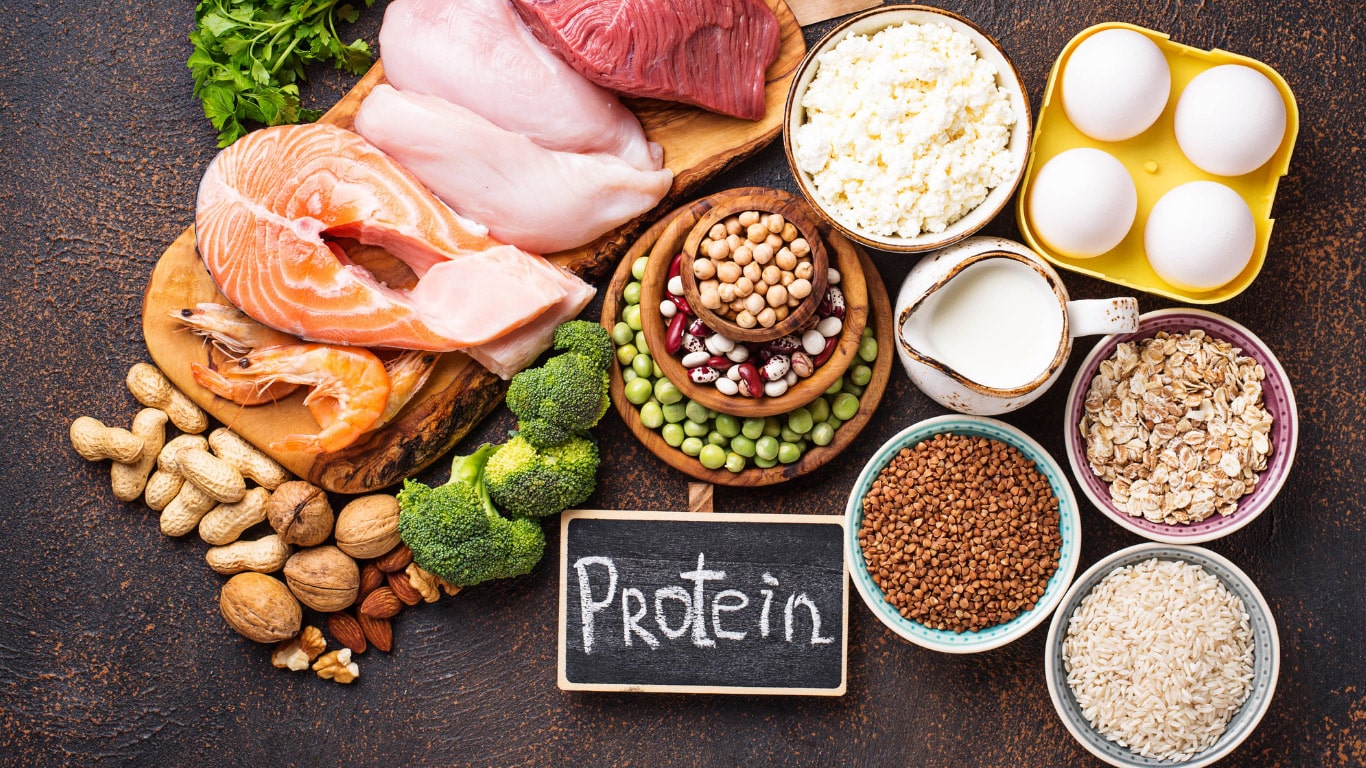
- Best sources: eggs, fish, chicken, grass-fed beef, legumes, whey, collagen
Carbohydrates
- Best timing: around workouts or during the most active part of the day
- Quality sources: sweet potatoes, oats, rice, quinoa, berries
Healthy fats
- Critical for testosterone production and mitochondrial health
- Include omega-3s, olive oil, avocado, nuts, and moderate saturated fat
Hydration and electrolytes
- Muscle is approximately 75% water; dehydration reduces strength, performance, and recovery
- Daily goal: 2.5–3.5L for most active men
Meal timing
- Pre-workout: light protein + carb
- Post-workout: 25–30g protein + carb combo within 1–2 hours
8. 💊 Key Supplements for Muscle, Movement & Metabolic Health
The guide highlights evidence-based supplements that support muscle function, energy, and recovery:
- Creatine monohydrate: supports ATP production and cognitive function (3–5g/day)
- Magnesium (glycinate or malate): aids muscle contraction, sleep, and blood sugar regulation
- CoQ10 / Ubiquinol: essential for mitochondrial energy, especially for men on statins
- Acetyl-L-carnitine: supports fat metabolism and energy production
- Electrolyte blends: crucial for hydration with sweating, fasting, or low-carb diets
- Vitamin D3 + K2: supports testosterone, muscle strength, and bone density
- Zinc: needed for testosterone synthesis and recovery
- Ashwagandha: adaptogen shown to support strength gains and stress resilience
- B-complex: supports energy production and neurotransmitter balance
Building Metabolic Resilience
Muscle is metabolic currency. It helps regulate blood sugar, hormones, inflammation, and mood while protecting against the decline that accelerates with age. Movement is medicine, and the combination of strength training, daily activity, proper recovery, and targeted nutrition forms the bedrock of male vitality.
The full guide expands on each of these areas with practical recommendations, lab markers, and strategies men can start using today.
📥 Download the Full Guide + explore our other men’s health tools below:
- Guide to Men’s Hair Loss & Body Image: Causes, Testing, and More
- Guide to Men’s Preventative Health & Screenings: Essential Tests for Health
- Understanding Men’s Reproductive Health: Sperm Health, Testing, Nutrition, and Natural Support
- Understanding Men’s Sexual Health: A Whole-Body Approach to Sexual Function
- Men’s Mental Health: Root Causes, Resilience & Real-World Tools
- Men’s Hormone Health: Testosterone, Balance & the Path to Lasting Vitality
- Prostate Health: Smarter Screening, Root Causes & Lifestyle Strategies That Work
- Men’s Heart Health: Markers, Myths & Strategies That Matter