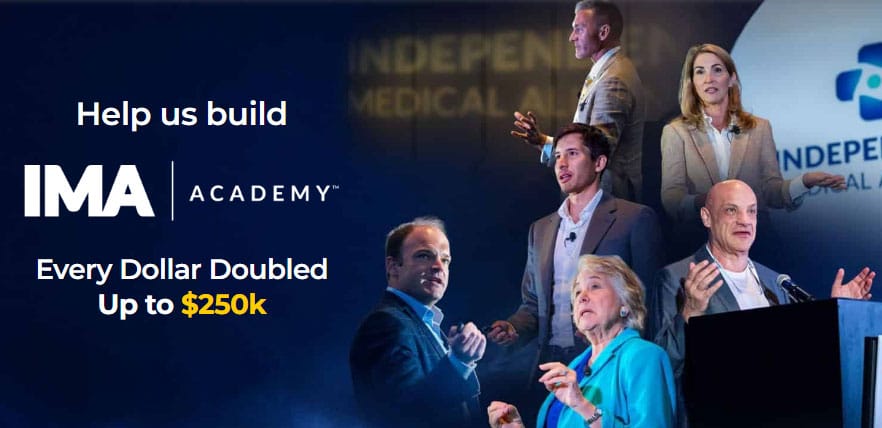
Host: Dr. Ryan Cole | Guests: Dr. Joseph Varon, Dr. Kat Lindley, and Dr. Lynn Fynn
As America marks 250 years, it is worth asking a deeper question: What happened to American medicine?
Join host Dr. Ryan Cole for a timely Independence Day week conversation with Dr. Joseph Varon, Dr. Kat Lindley, and Dr. Lynn Fynn on the past, present, and future of American medicine.
This episode will look back at the breakthroughs, principles, and patient-centered roots that shaped American medicine while asking what the next era must reclaim: trust, informed consent, physician independence, prevention, and the sacred doctor-patient relationship.
American medicine did not begin as a system. It began in homes, sick rooms, and small communities, where the first diagnostic tool was knowing the patient by name. Before illness was met by institutions, it was met by family, by faith, by observation, and by a local physician who knew every member of the household.
The anniversary is a reason to celebrate. It is also a reason to ask what got lost along the way. Four physicians trace the arc from kitchen-table care to institutional control, from the doctor who sat at the bedside to the system that put a portal, an insurance rule, and a 10-minute timer between them.
Meet the Experts

Dr. Joseph Varon
Professor of Medicine; President and Chief Medical Officer, IMA. Dr. Varon is a critical care physician, prolific medical researcher, and internationally recognized expert in acute care medicine. He trained at Stanford and has practiced for nearly four decades.
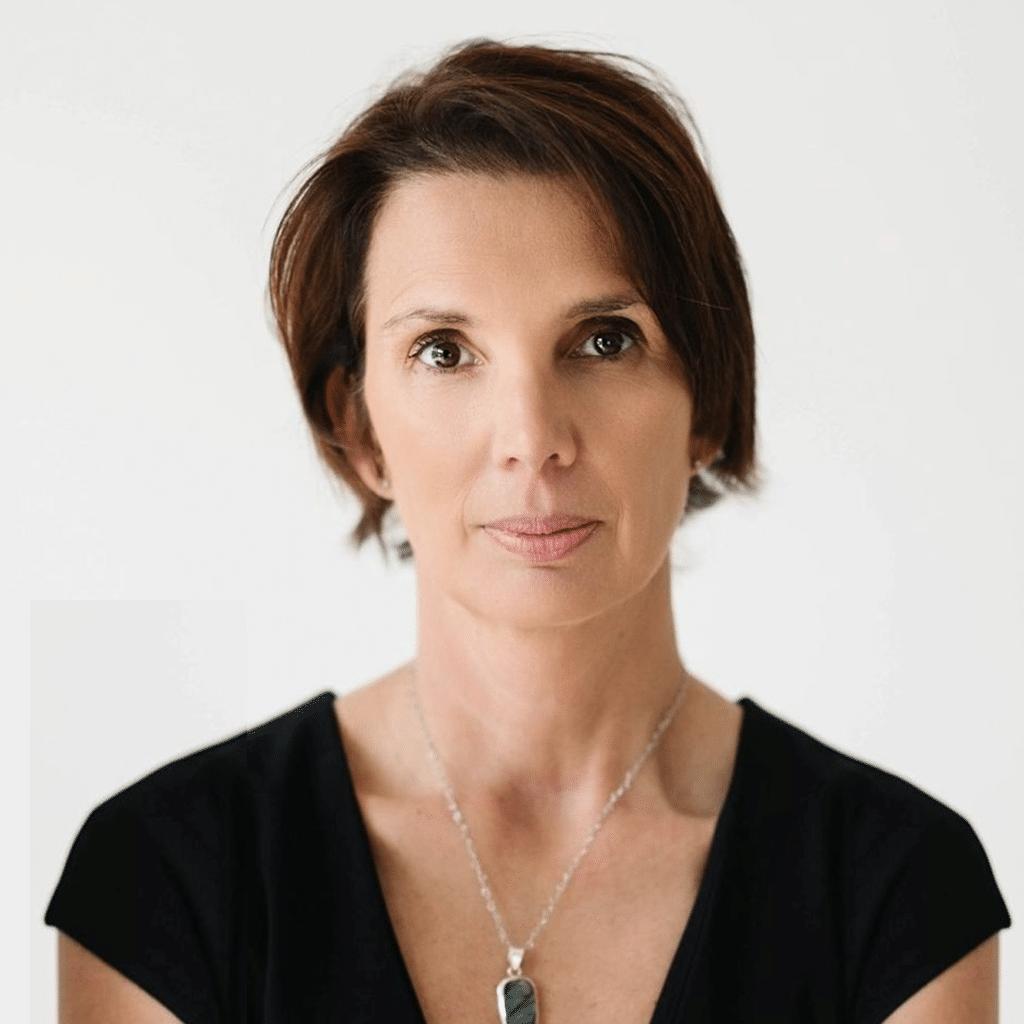
Dr. Kat Lindley
Director of IMA Fellowship Program; Senior Fellow, Family Medicine. Dr. Lindley is a board-certified family physician who has practiced at the university, corporate, hospital, and rural levels. She now runs a direct primary care practice in Texas and has been a leading advocate for physician independence and informed consent.
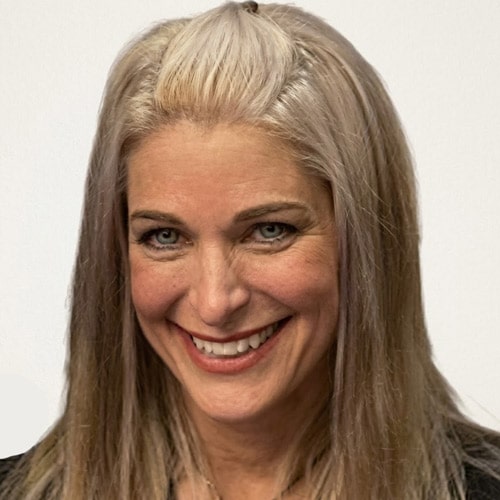
Dr. Lynn Fynn
Retired infectious disease specialist focused on clinical research. Dr. Fynn holds patents in novel therapeutic formulations and has developed supplement formulations used by professional athletes worldwide.
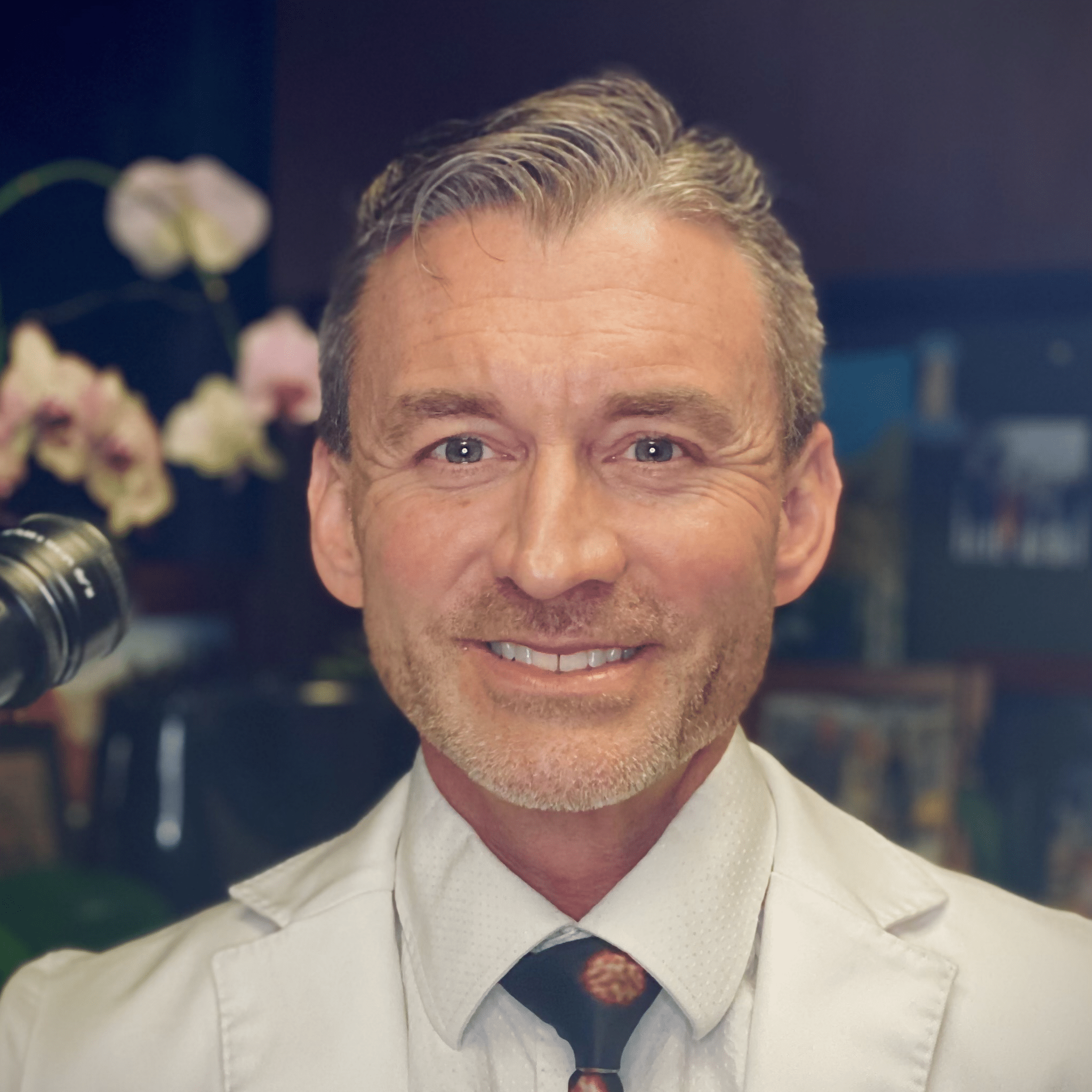
Dr. Ryan Cole
IMA Head of Medical & Scientific Affairs; Senior Fellow, Pathology. Dr. Cole is a board-certified pathologist and founder of Cole Diagnostics. He brings decades of experience in tissue diagnostics and a commitment to restoring physician independence and patient-centered care.
1. The First Clinic Was the Home
The sick person in early American medicine was not a chart, a claim, or a number in a portal. They were a neighbor, a mother, a child, a friend. Care was local, personal, and built on a relationship that existed before anyone got sick.
That relationship is not just nostalgia. Dr. Varon described what drew him to medicine in the first place.
“I wanted to be the doctor that would go to your home, would talk to you, would know your family, would know everybody’s illnesses. I wanted that relationship.” — Dr. Joseph Varon
Dr. Lindley lives that model now. She carries a stethoscope and otoscope in her car and has been known to examine patients in a parking lot at a football game. After years inside the system, she returned to independent rural family medicine.
“I fell in love with medicine again, because that’s what medicine is supposed to be. It’s supposed to be my patient and me together in a room without this third party.” — Dr. Kat Lindley
The point is not to romanticize 1776 medicine. It was limited, inconsistent, sometimes dangerous. But before institutions arrived, care was built on something that still matters: knowing the person.
2. What 250 Years Built, and What Got Lost
The panel was clear: 250 years of American medicine produced genuine breakthroughs. Transplants, cured cancers, ICU technologies that save lives. The progress is real, and dismissing it is not the point.
The point is what grew up around it. Insurance companies, pharmacy benefit managers, CMS protocols, and 10-minute appointment windows now sit between the physician and the patient. Dr. Lindley described a Medicare patient whose hemoglobin A1C went out of control because a PBM changed the insulin formulary. The patient could no longer afford the medication that had kept him stable for years. The failure was not clinical. It was structural.
Dr. Lindley described the physician as a steward: someone who advises, guides, and cheers the patient on, but ultimately respects that the patient decides.
“Two hundred and fifty years later, we’re losing that beauty of the physician-patient relationship, unfortunately.” — Dr. Joseph Varon
IMA President Dr. Joseph Varon reflects on the roots of American medicine and makes a call to restore trust, honesty, informed consent, and the doctor-patient relationship.
3. When One Voice Replaces the Conversation
Bloodletting probably killed George Washington. Mercury purges were standard care. Medical consensus has been wrong before, and Dr. Varon argued that every generation must be willing to examine its own assumptions with honesty. The lesson from early medicine is not to reject progress. It is to stay humble about what we think we know.
The panel applied that principle directly to recent history. Dr. Fynn focused on the structural problem of concentrated institutional power, pointing to Dr. Anthony Fauci’s 38-year tenure as NIAID director. During that time, she argued, a single official shaped which scientists received funding, which therapeutics were fast-tracked, and which were buried, while simultaneously influencing public messaging, intelligence assessments, and pandemic policy.
“That’s not a public health official. That’s a public health king. Our constitution doesn’t provide for one of those.” — Dr. Lynn Fynn
The panel’s concern was not partisan. It was architectural. When institutional design allows any one person to become indispensable, Dr. Fynn argued, another version of the same problem is always waiting in the wings.

4. The Questions Honest Medicine Must Ask
Dr. Fynn cited a JAMA study reporting that 60 percent of excess mortality among young adults, roughly 11,000 deaths in a single year, was coded as “other natural causes.” That residual category offers no explanation. It is, as she put it, a medical admission of ignorance.
The questions she argued demand investigation: whether repeated spike protein exposure from any source played a role in accelerating cardiovascular disease in younger populations, whether natural immunity was suppressed to justify mandates, and why autopsy rates have collapsed. Dr. Varon noted that hospitals once required a percentage of deaths to be autopsied for accreditation, a standard that no longer exists. Families now pay out of pocket.
Dr. Fynn framed the responsible position plainly: we do not know what is driving these numbers, but the numbers demand investigation. The fact that asking the question is considered controversial tells you something about the state of modern medicine.
“Young people dying unexpectedly deserve more than just a residual category in a JAMA table. They deserve an honest investigation into why they died.” — Dr. Lynn Fynn
5. Restoring the Roots
The health freedom movement got some things right over the past several years: early treatment advocacy, resistance to mandates without informed consent, and the willingness to question enforced consensus. But Dr. Varon pushed the panel on where it needs to sharpen. The movement cannot be defined only by what it opposes. Trust is built through honesty, transparency, and the willingness to have difficult conversations, not through shouting louder.
Dr. Lindley argued that alternative systems need to be built with one foot still in the existing one. She has been outside the traditional insurance model since 2017 but maintains her licenses, CME, and regulatory compliance. Direct primary care, direct specialty care, and cash-price surgical centers are all expanding.
Dr. Fynn returned to the foundational principle: the patient’s body, the patient’s decision. The physician advises and informs. The state protects the right to choose. Even a bad choice is still the patient’s right.
Asked what American medicine should restore first, each panelist gave a one-word answer. Dr. Lindley: the patient-physician relationship. Dr. Fynn: trust in institutions. Dr. Varon: honesty and transparency. Dr. Cole: humility.
The Next 250 Years
The founders of this country were not consensus-seekers. They argued, disagreed, and pushed forward. The next era of American medicine will require the same courage: the willingness to have hard conversations, to admit what went wrong, and to rebuild around the relationship that started it all.
Related Reading
- Post: The Home Was the First Clinic: American Medicine Before the System
- Video: Why the Next Era Must Restore Trust
- More to come in our 250 Years of Medicine series!
More on: Dr. Joseph Varon | Dr. Katarina Lindley | Dr. Lynn Fynn | Dr. Ryan Cole | Medicine at 250 Years