Explore the full picture of men’s hormone health. Learn how testosterone, cortisol, DHEA, and other key hormones impact energy, mood, and vitality—and what you can do to restore balance naturally or with BHRT.
Every man hits that moment. Energy fades, motivation dips, and something just feels… off. He’s told it’s normal. Part of aging. Maybe “low T.” He gets his labs done. And then he hears the phrase that stops progress in its tracks: “Your numbers are normal.”
But for millions of men, the issue isn’t one number—it’s the whole system.
Hormonal health isn’t just about testosterone. It’s about the interplay between testosterone, DHEA, cortisol, melatonin, estrogen, and more. And when that system falls out of rhythm, it affects everything: energy, sleep, metabolism, libido, mood, recovery, and even your drive to get things done.
Dr. Kristina Carman offers a smarter way forward. In this guide, she’ll help men cut through confusion, understand their labs, and take real steps to restore hormonal balance, vitality, and long-term health.
📖 What’s in the Guide?
This guide breaks down the full hormonal picture—how testosterone and other key hormones interact, what symptoms actually signal imbalance, and what you can do to feel sharp, strong, and steady again. Here’s what’s inside:
- 🧠 Hormonal Health: More Than Just Testosterone
- 🧪 Understanding Testosterone: Deficiency vs. Optimal Function
- 🔄 Beyond T: DHEA, Cortisol, Estrogen & More
- 🧬 Recommended Hormone Lab Testing
- 🧘♂️ Lifestyle Factors That Influence Hormones
- 🌿 Natural Support for Male Hormonal Health
- 💉 When to Consider Bioidentical Hormone Therapy (BHRT)
- ⚖️ BHRT Considerations & Monitoring
- 🥗 Diet for Hormonal Health
1. 🧠 Hormonal Health: More Than Just Testosterone
Hormones influence far more than sex drive. In men, they govern energy, focus, muscle recovery, sleep, mood, metabolism, even cardiovascular function.
Functional medicine doesn’t ask “Is this in range?” It asks: “Is this optimal for you?”
This guide starts with the bigger picture—how interconnected systems like stress, sleep, and metabolism affect men’s hormonal terrain.
2. 🧪 Understanding Testosterone: Deficiency vs. Optimal Function
Testosterone supports:
- Libido and sexual performance
- Muscle mass and physical endurance
- Confidence, cognition, and metabolic health
Symptoms of suboptimal T include low energy, irritability, belly fat, poor recovery, and brain fog, even if labs look “normal.”
The guide explores the difference between total vs. free testosterone and how SHBG can mask true deficiencies.
3. 🔄 Beyond T: DHEA, Cortisol, Estrogen & More
Dr. Carman highlights the hormones often missed in conventional testing:
- DHEA – supports mood, libido, and resilience; declines with age and stress
- Cortisol – when elevated or depleted, it can tank testosterone and energy
- Estrogen – yes, men need it too, but excess (often from belly fat) can cause ED, mood swings, and prostate issues
- Melatonin – regulates sleep and testosterone release
Hormone health is about balance, not just boosting one number.
4. 🧬 Recommended Hormone Lab Testing
The guide breaks down:
- Basic labs: total/free testosterone, SHBG, DHEA-S, estradiol, cortisol
- Advanced panels: DUTCH test, salivary cortisol, thyroid, insulin, hs-CRP
- Symptom checklist to catch subtle signs of imbalance (fatigue, flat mood, brain fog, sleep issues, belly fat)
5. 🧘♂️ Lifestyle Factors That Influence Hormones
The core drivers of healthy hormone function? Sleep. Strength. Stress. Fat mass.
Highlights include:
- Deep sleep = testosterone release
- Weight training = hormone activation
- Belly fat = estrogen factory (via aromatase)
- Chronic stress = cortisol spikes, testosterone crashes
Recovery matters as much as intensity. This section lays out foundational habits that recalibrate hormone function.
6. 🌿 Natural Support for Male Hormonal Health
The guide outlines top natural tools for men’s hormone support, including:
- Zinc – supports T synthesis, reduces aromatase
- Boron – increases free testosterone, reduces SHBG
- Tongkat Ali – boosts T and libido by lowering cortisol
- Ashwagandha – great for stress-related low T
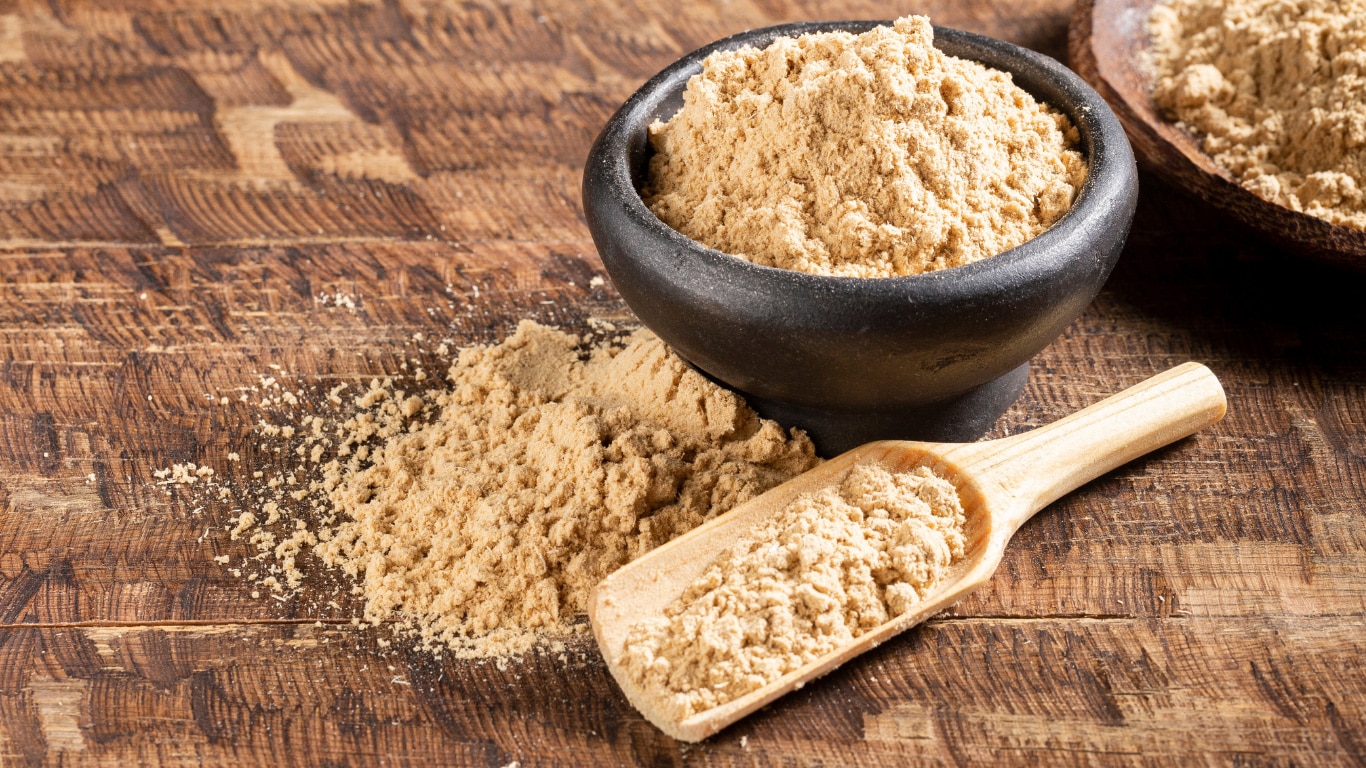
- Maca, Fenugreek, Nettle Root, Shilajit, Cordyceps
- Vitamin D3 + K2 – foundational for testosterone and immune health
All doses and formats are listed in the PDF.
7. 💉 When to Consider Bioidentical Hormone Therapy (BHRT)
Sometimes, natural strategies aren’t enough.
BHRT may be appropriate when:
- Total T < 350 ng/dL
- Free T < 9–10 ng/dL
- Symptoms persist despite strong lifestyle changes
This section explains when it’s time to consider medical support—and how to do it safely.
8. ⚖️ BHRT Considerations & Monitoring
BHRT isn’t plug-and-play. Dr. Carman outlines:
- Fertility suppression risks
- Estrogen conversion and DHT impacts
- Blood thickness (hematocrit), PSA, and prostate monitoring
- Why lifestyle must remain the foundation
Delivery methods (injection, gel, pellet) and compounded vs. conventional BHRT are also covered.
9. 🥗 Diet for Hormonal Health
Food isn’t just fuel—it’s hormonal raw material… literally!
This section recommends:
- Protein – for testosterone and muscle
- Healthy fats – for hormone synthesis
- Cruciferous vegetables – for estrogen metabolism
- Blood sugar balance – to prevent insulin-induced T crashes
- Gut-liver detox – for clearing excess hormones
- Avoiding endocrine disruptors like plastics, alcohol, and processed foods
Reclaiming Hormonal Resilience
Dr. Carman closes with a reminder:
“Hormonal health isn’t about chasing one number—it’s about restoring rhythm, resilience, and the feedback loops of the male body.”
For men navigating midlife changes, recovering from burnout, or just trying to feel like themselves again, this guide is a blueprint for building back strength, clarity, and confidence. 📥 Download the Full Guide + check out our other men’s health tools below: