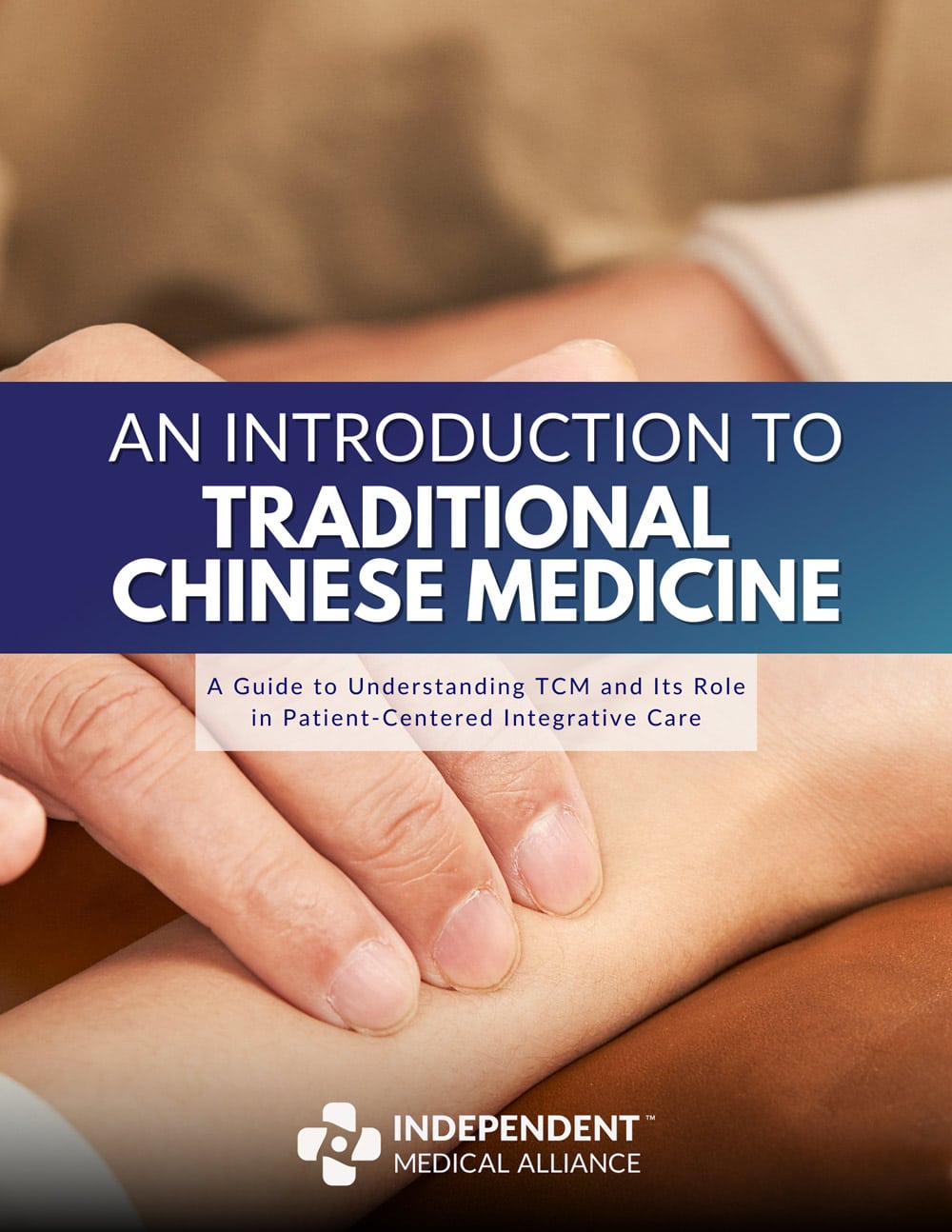
TCM is more than folk remedies. Download this free guide to understand how Traditional Chinese Medicine works, where the evidence is strongest, and how it complements Western care.
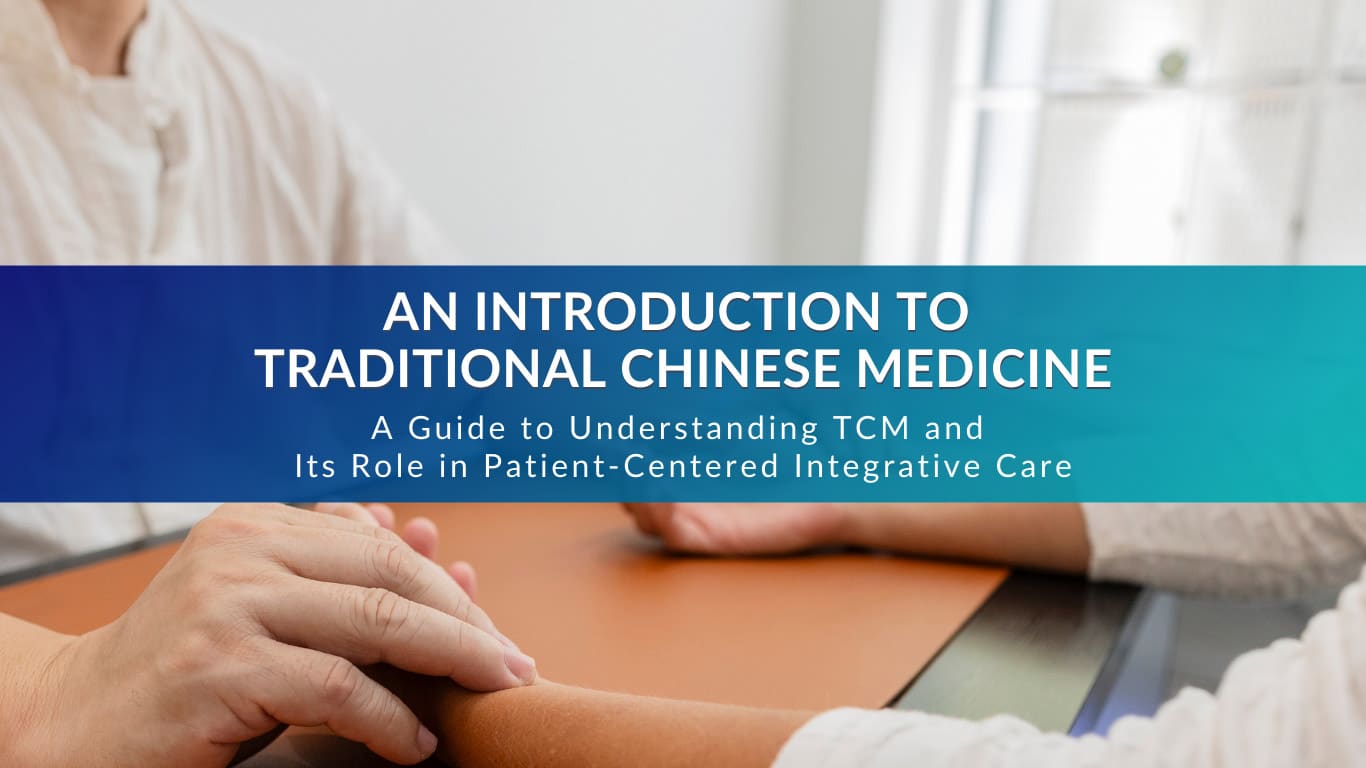
Traditional Chinese Medicine has been practiced for over 2,500 years. It’s incorporated into the global standard for disease classification (ICD-11), and used in over 180 countries. Yet most people still have no idea what it actually is, or how far it extends beyond the acupuncture needles and dried herbs they picture.
TCM is a complete medical system with its own diagnostic frameworks, pharmacology, and clinical protocols. It doesn’t compete with Western medicine. It complements it, particularly in areas where conventional approaches often fall short: chronic pain, hormonal imbalance, stress-related illness, and conditions where symptoms persist despite normal lab work.
This guide, created by IMA Senior Fellow Dr. Kristina Carman, breaks down the foundations of TCM in plain language: what it is, how it works, where the evidence is strongest, and what to expect if you’re considering it as part of your care.
📖 What’s in the Guide?
This guide covers the essentials of TCM in a concise, patient-friendly format, including:
- 🏥 What Is Traditional Chinese Medicine?
- ⚖️ The Philosophy Behind TCM: Balance as the Foundation of Health
- 🧰 TCM Modalities
- 🔬 TCM vs. Western Medicine
- 🤝 How TCM & Western Medicine Complement Each Other
- 🩺 Conditions TCM Commonly Addresses
- 📋 What to Expect as a TCM Patient
1. 🏥 What Is Traditional Chinese Medicine?
TCM isn’t a single treatment. It’s an entire medical system that approaches health by understanding the whole person: body, mind, and environment in dynamic relationship. Rather than targeting isolated symptoms, TCM identifies the patterns and relationships driving illness, using its own diagnostic methods, pharmacopoeia, and clinical logic, all refined over millennia and now formally recognized by global health authorities.
2. ⚖️ The Philosophy Behind TCM: Balance Is the Foundation of Health
TCM operates through three interconnected principles that aren’t abstract philosophy but practical clinical frameworks refined over centuries:
- Qi (vital functional energy)
- Yin and Yang (the dynamic balance that defines health)
- The Five Elements (a model of how organ systems relate to and regulate one another)
These parallel concepts in modern systems biology, including homeostasis, network medicine, and the gut-brain axis.

3. 🧰 TCM Modalities
TCM draws on a range of evidence-informed therapeutic approaches, each selected and tailored to the patient’s condition and constitution:
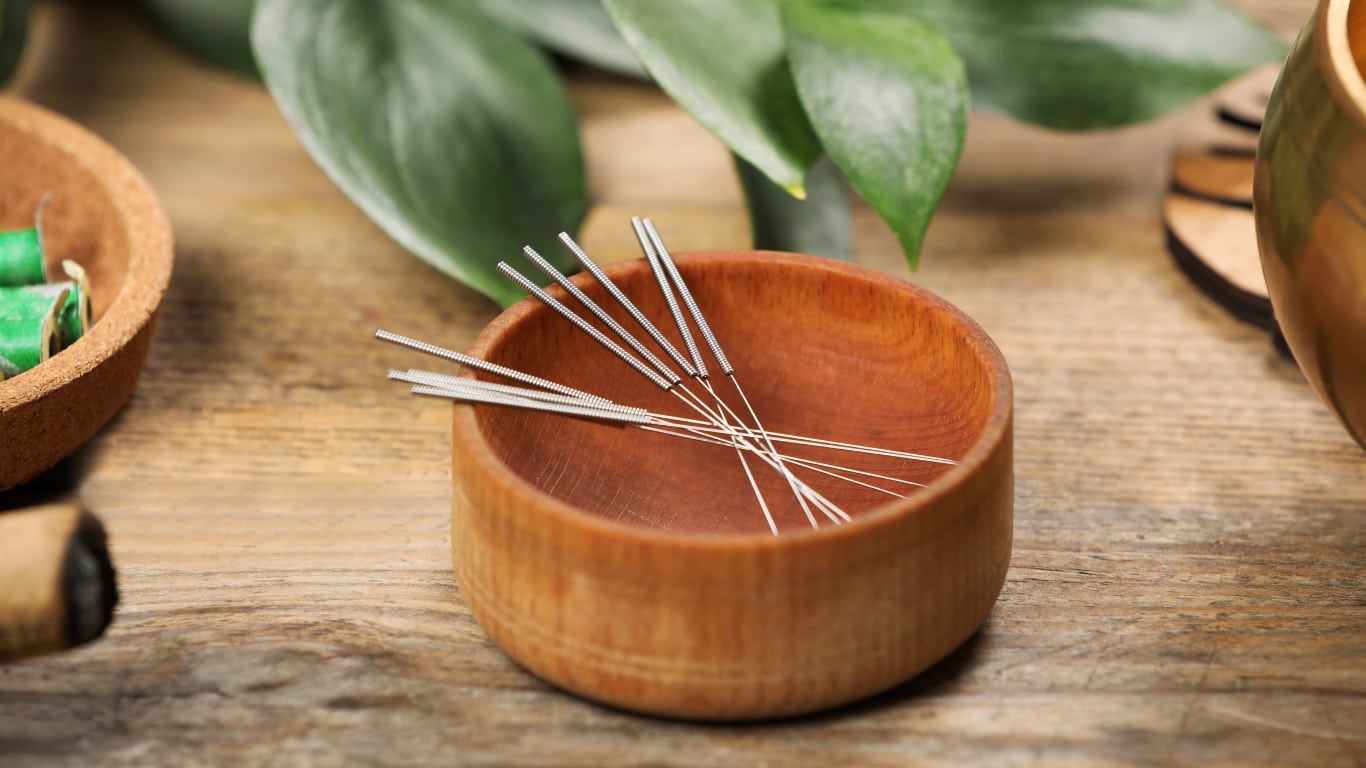
- Acupuncture (endorsed by the American College of Physicians for chronic pain)
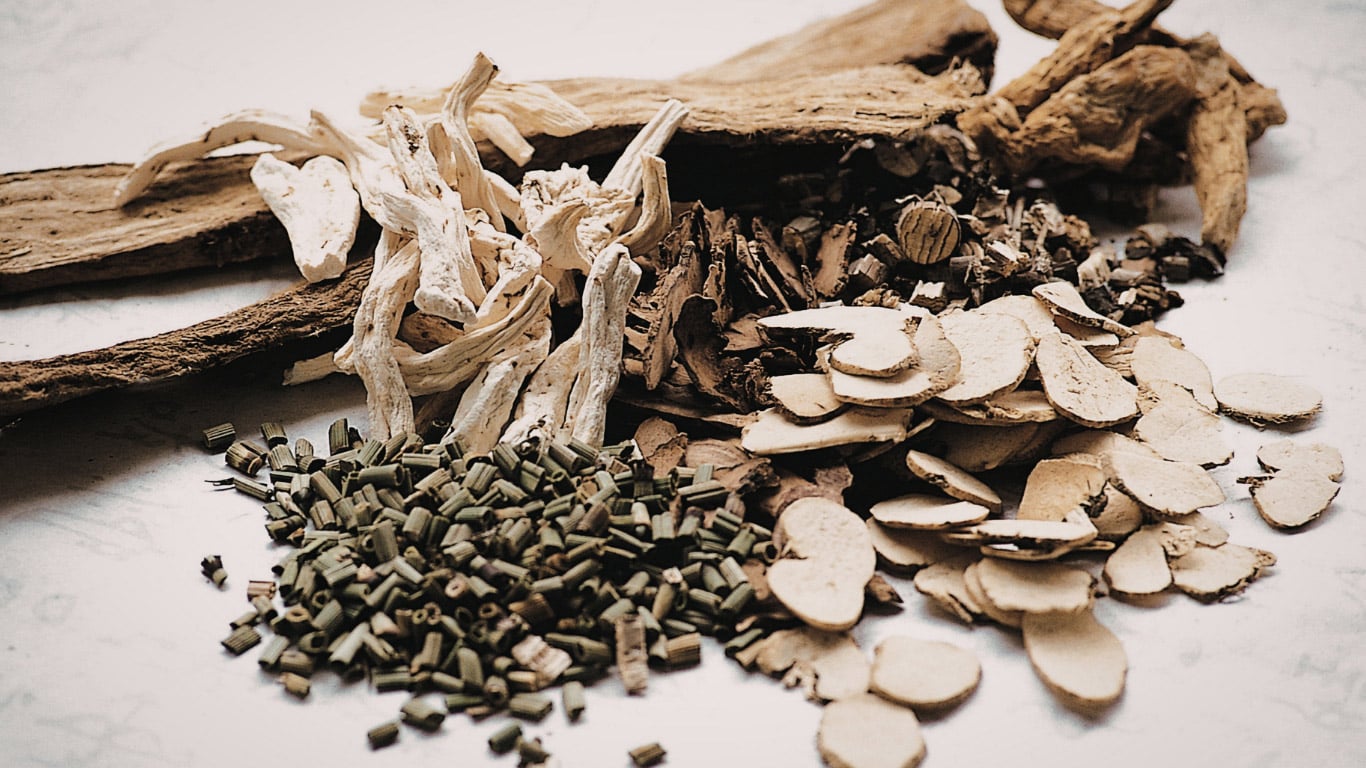
- Chinese Herbal Medicine (individualized formulas from 300+ medicinal substances)
- Cupping & Gua Sha
- Tui Na (Chinese therapeutic bodywork)
- Moxibustion
- Dietary Therapy
The guide explains how each works and when they’re used.
4. 🔬 TCM vs. Western Medicine
These aren’t competing systems. They developed from different questions and methods. The guide breaks down the key differences:
- Western Medicine asks: What mechanism can we target to fix it?
- TCM asks: What pattern of imbalance is driving this, and how do we restore equilibrium?
Each system leads in different areas. The guide maps out where Western medicine excels, where TCM excels, and why neither is universally superior.
5. 🤝 How TCM & Western Medicine Complement Each Other
Integrative medicine isn’t a compromise. It frequently produces outcomes neither system achieves alone. The guide highlights where the evidence is strongest:
- Oncology: acupuncture for chemotherapy side effects (now standard care at Memorial Sloan Kettering and MD Anderson)
- Chronic Pain: acupuncture endorsed by the VA and Department of Defense as a front-line non-pharmacological intervention
- Mental Health: TCM’s whole-person approach to anxiety, depression, and insomnia
- Reproductive Health: adjunctive support for IVF, PCOS, endometriosis, and more
- Preventive Care: constitutional support before disease develops
6. 🩺 Conditions TCM Commonly Addresses
TCM can serve as a primary approach, an evidence-informed adjunct, or a preventive strategy. The guide covers the areas where clinical evidence and patient benefit are strongest:
- Musculoskeletal pain, headache, and migraine
- Anxiety, insomnia, and stress-related illness
- Digestive conditions (IBS, GERD, functional dyspepsia)
- Reproductive and hormonal health (PCOS, endometriosis, perimenopause)
- Respiratory and immune support (including long COVID)
- Oncology support during and after cancer treatment
7. 📋 What to Expect as a TCM Patient
Your first TCM consultation looks and feels different from a standard medical appointment, typically 60 to 90 minutes covering your full health picture, not just the presenting complaint. The guide walks through:
- Pulse diagnosis (up to 28 distinct qualities at three wrist positions)
- Tongue diagnosis
- Individualized treatment planning
- Cumulative treatment timelines (8 to 12 sessions for chronic conditions)
- Safety and how to coordinate with your Western providers
The Future of Integrative Care
The most effective healthcare doesn’t choose between these traditions. It draws on the strengths of each, strategically, collaboratively, and with the patient’s full picture in view. For anyone navigating chronic illness, seeking to understand their health more deeply, or looking for approaches that treat the whole person rather than the symptom, TCM offers a perspective worth understanding, exploring, and taking seriously.
📥 Download the full guide and start exploring what TCM can offer you.
Want to go deeper? Check out these related IMA resources:
- From Ancient Wisdom to the Exam Room: What’s the Clinical Impact?: Dr. Ryan Cole hosts Dr. Kristina Carman and Dr. Adylle Varon for a clinician-led discussion on how TCM is being applied in modern practice.
- Sleep Matters: Clinical Perspectives from Western and Eastern Medicine: Dr. Joseph Varon and Dr. Adylle Varon on how TCM and Western approaches can work together to restore sleep.
- Combining Eastern and Western Medicine: The Drs. Varon compare Eastern and Western approaches and review real-world case studies, including a vaccine injury recovery.