Host: Dr. Joe Varon | Guests: Dr. Kristina Carman & Dr. Michael Turner
The start of a new year often comes with pressure to overhaul your health overnight. But lasting change doesn’t come from extremes, it comes from small, sustainable habits that build over time.
In this live episode, IMA Co-Founder Dr. Joseph Varon is joined by IMA Senior Fellows Dr. Michael Turner and Dr. Kristina Carman for a practical discussion on building sustainable health habits. The conversation focuses on sleep, nutrition, exercise, mindset, and smart supplementation, emphasizing realistic progress over quick fixes.
The start of a new year often brings pressure to overhaul everything at once—diet, exercise, sleep, supplements. But the all-or-nothing approach that fills gyms in January empties them by February. This Wednesday, IMA Co-Founder Dr. Joseph Varon sits down with IMA Senior Fellows Dr. Kristina Carman and Dr. Michael Turner for a grounded, evidence-based conversation about what actually works: small, sustainable changes that build momentum instead of burnout.
Together, they unpack why sleep should come before supplements, how to listen to your body’s feedback, the new HHS Dietary Guidelines released this week, and why a “boring, balanced diet done consistently beats a perfect diet done briefly.”

Meet the Experts

IMA Senior Fellow, Nutritional and Holistic Health. Naturopathic doctor, nutritional therapist, and functional medicine practitioner based in South Carolina. Her practice focuses on approachable, sustainable, and personalized health strategies with strong emphasis on nutrition and lifestyle as medicine.
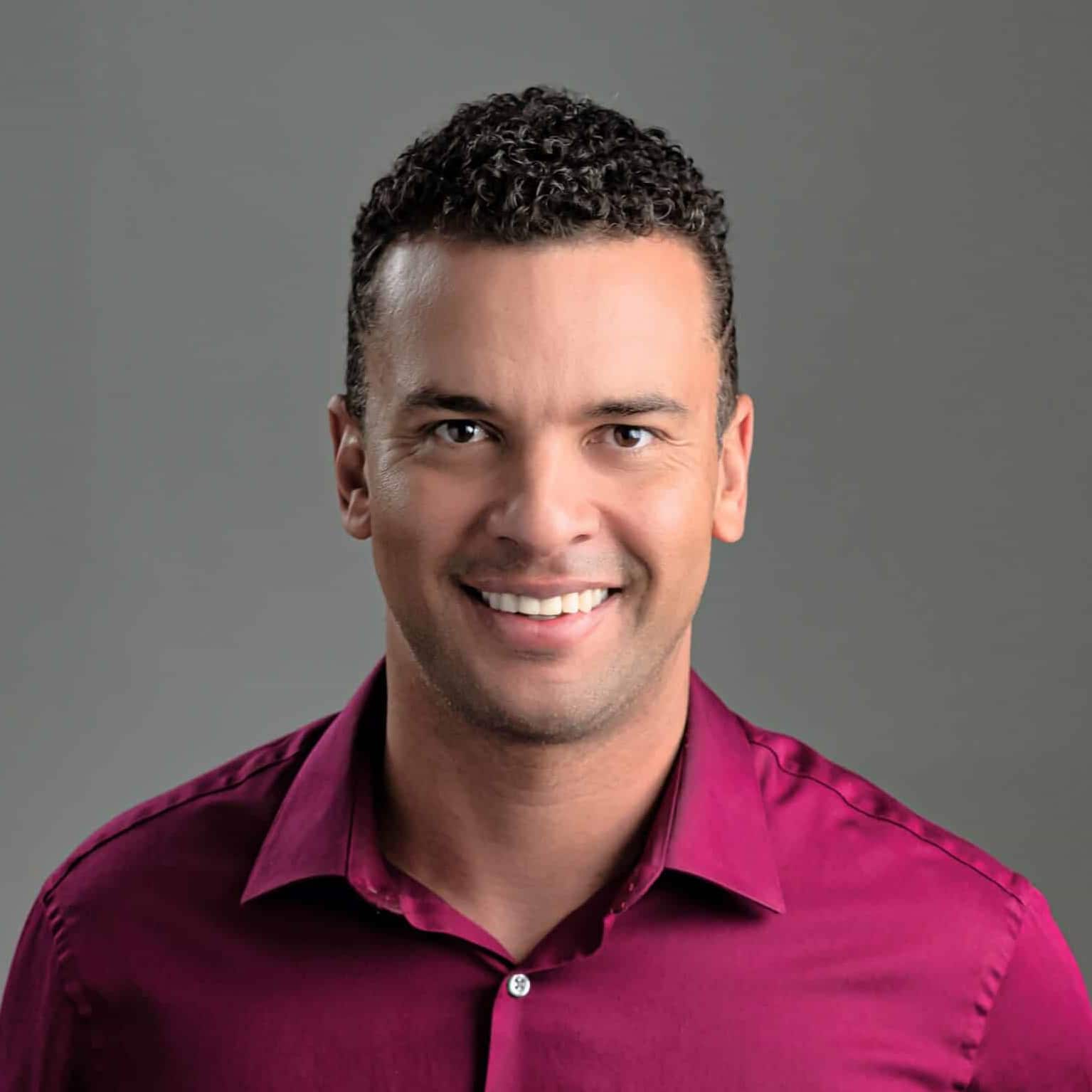
IMA Senior Fellow, Integrative Medicine. Graduate of Stanford, Harvard Medical School, and the Mayo Clinic, Dr. Turner specializes in personalized care with a focus on nutrition, supplementation, fitness, and mental health. Since 2020, he has treated patients with COVID, Long COVID, cancer, and vaccine-related injuries using evidence-based protocols.
The Biggest New Year Mistake: Trying to Change Everything at Once
The conversation opens with a reality check. Dr. Varon describes watching gym attendance spike on January 1st and plummet days later. Dr. Turner names the trap directly: overburdening yourself, failing to meet expectations, feeling guilty, and then abandoning ship entirely.
“You have to take baby steps. You have to celebrate your victories. You have to do small attainable goals. And you want to get some momentum rolling rather than burden yourself down.” — Dr. Michael Turner
The solution isn’t trying harder—it’s reframing the goal. Dr. Turner emphasizes starting from gratitude rather than self-criticism: “If someone comes to me, I say, let’s get the mindset right. Let’s do it from a point of view of gratitude. You have an amazing body. It’s a wonder. It can heal. It can replicate. It can think. It’s extraordinary.”
Dr. Carman reinforces the core principle: health is about supporting physiology, building resilience, and making habits fit real life rather than chasing perfection or rigid plans.
“Think about where you are now and how you can support your body for your 10-years-time self. It’s about that consistency and finding things that you can actually stick to that become part of your everyday life.” — Dr. Kristina Carman
Nutrition: Ditch the Extremes, Embrace Consistency
With the new HHS Dietary Guidelines released the same day as this webinar, the timing couldn’t be better. Dr. Carman cautions against the January temptation toward extreme detoxes and restrictive diets—especially during winter, when the body needs warming, nourishing foods rather than aggressive interventions.
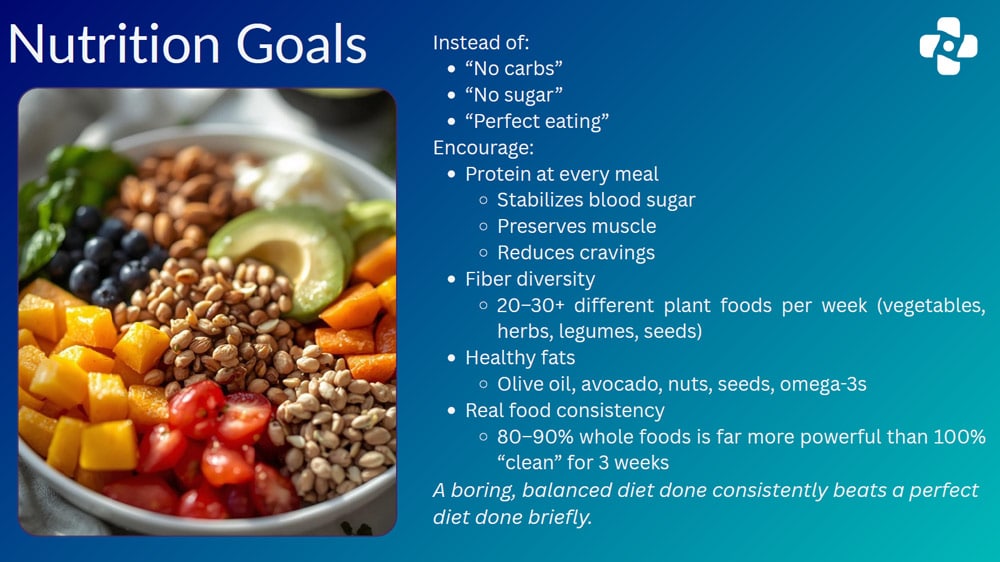
The nutritional priorities are straightforward: protein at every meal to stabilize blood sugar and preserve muscle, fiber diversity from 20-30 different plant foods per week, and healthy fats like olive oil, avocado, nuts, and omega-3s.
“You cannot out-supplement a bad diet. It’s not perfection—it’s 80% to 90% of the time. Are you really looking at consistency, nourishing your body? It’s far more powerful than 100% clean eating for three weeks only.” — Dr. Kristina Carman
The advice extends beyond what you eat to how you eat. Dr. Carman points out that digestion begins with intention and chewing—and that eating while distracted or rushed undermines even the best food choices.
Sleep: The Non-Negotiable Foundation
Sleep emerged as the clear starting point for anyone serious about health goals. Dr. Carman states it plainly: if you’re sleep-deprived, you won’t make good food choices the next day. Poor sleep undermines even the best nutrition and exercise plans.
Dr. Turner breaks down why sleep matters in four key areas: oxidative stress on the brain, immune system restoration, hormonal regulation (especially growth hormone), and cognitive performance. He offers a practical tip that works for him: complete blackout conditions while sleeping.
“Any tonic level of light is alerting your brain. It’s hitting those centers of alertness and energy. When you create blackout conditions, you go to a much lower level of sleep.” — Dr. Michael Turner
Simple sleep goals include maintaining a consistent bedtime within 30-60 minutes nightly, getting morning light exposure, turning screens off 60-90 minutes before bed, and keeping phones out of the bedroom. Dr. Turner also recommends tracking deep sleep—aiming for at least 60 minutes of slow wave sleep per night, where most hormonal and immune restoration occurs.
Learn more about getting the best sleep possible in 2026:
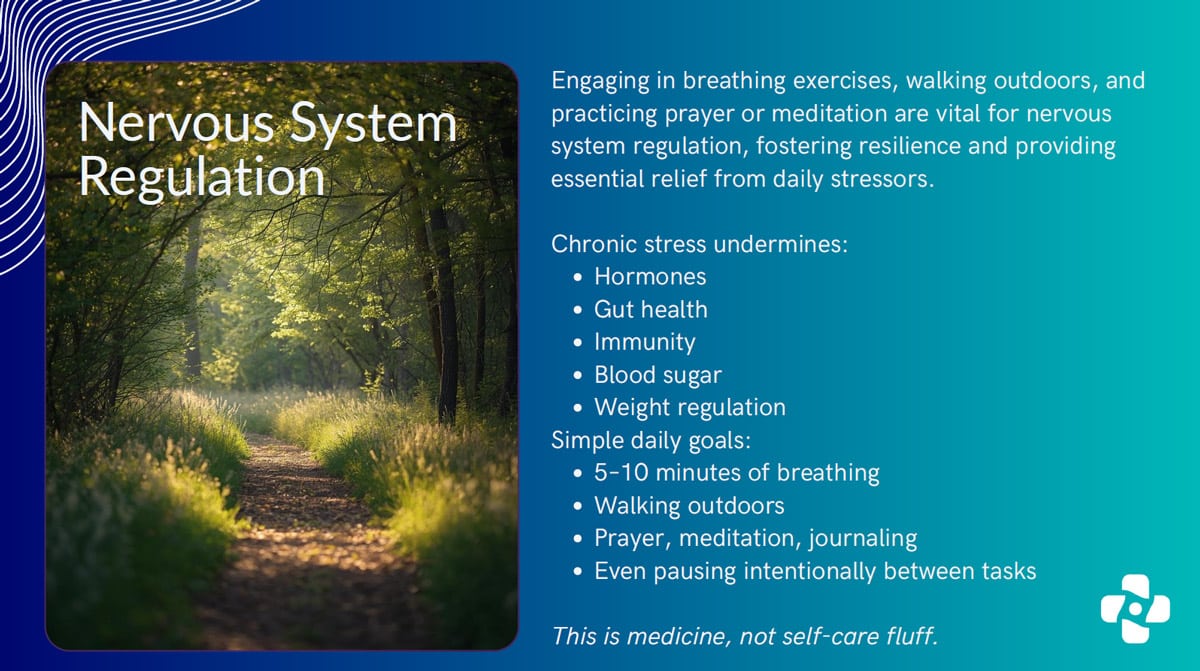
Nervous System Regulation: This Is Medicine, Not Self-Care Fluff
Chronic stress undermines hormones, gut health, immunity, blood sugar, and weight regulation. The panel emphasizes that nervous system support—breathing exercises, walking outdoors, prayer, meditation, journaling—isn’t optional wellness fluff. It’s foundational medicine.
Dr. Carman connects mindset directly to outcomes: patients who remain stuck in negative self-talk rarely see progress, regardless of their protocols.
“What you think about, you bring about. If you’re constantly in this negative frame—I can’t lose weight, I can’t do this—nothing will shift. Your body isn’t against you. We have so much within our own power, and some of that is within our minds and our spirit.” — Dr. Kristina Carman
Simple daily practices include 5-10 minutes of breathing exercises, walking outdoors, and even just pausing intentionally between tasks. The goal is to reduce stress, not add to it—health habits should make life easier to navigate, not harder.
Want to get active? Try this: The IMA Fitness Guide
The Non-Zero Day Concept: Small Actions Keep Momentum Alive
One of the most practical frameworks from the discussion is the “non-zero day” concept. A non-zero day is any day where you do something—even something small—in the direction of your health goals.
A zero day means doing nothing at all. A non-zero day means one intentional action. That’s it.
Even on hard days: eat one nourishing meal, take a short walk, go to bed earlier, drink water, step outside for fresh air. These small actions prevent the guilt spiral that leads people to abandon their goals entirely.
“Think about it more as a non-zero day. It’s not like you failed this day. You’re still doing something towards those goals.” — Dr. Kristina Carman
From a physiological perspective, non-zero days reduce cortisol by eliminating guilt, improve habit formation through small dopamine rewards, prevent relapse cycles, and support long-term behavior change where real health outcomes live.
Holistic Health: The Body Is an Ecosystem
Dr. Carman closes the formal discussion by reminding viewers that no system in the body operates independently. The body is an ecosystem, not a collection of symptoms. Gut health, hormonal rhythms, immune resilience, detox capacity, and mental health all interconnect.
The practical priorities follow a clear order:
- Support digestion before layering in supplements
- Stabilize blood sugar before focusing on weight loss
- Calm the nervous system before addressing hormones
- Build foundations before biohacking
“Build the foundations before the biohacking tools. Look at the basics. This is a beautiful system.” — Dr. Kristina Carman
📚 Explore the IMA Nutrition Library
The MAHA movement has brought renewed focus to real food, prevention, and nutrition as medicine. But IMA has been laying this groundwork for years. The IMA Nutrition Library is a growing resource for food-based healing, disease prevention, and everyday nourishment.
If you’re overwhelmed or unsure where to start, this is your place.
💡 Help Us Power the Next Conversation
Like what you’re learning? Help us keep the conversation going.
Each webinar takes time, research, and behind-the-scenes coordination from our team and expert guests. If you’ve found value in these discussions, consider making a donation to support the work that makes them possible.