
Host: Dr. Liz Mumper | Guest: Maureen McDonnell, BSN
What simple changes can help children eat better, sleep well, manage their emotions, and thrive?
Join IMA Senior Fellow and pediatrician Dr. Liz Mumper and pediatric holistic nurse Maureen McDonnell for an encouraging, practical conversation about raising healthier kids. Together, they’ll look beyond quick fixes and explore how everyday factors such as food, sleep, screens, movement, and outdoor time can shape a child’s mood, behavior, development, and overall well-being.
Parents are not waiting for permission anymore. They have watched chronic illness rates in children climb for three decades, and the conventional response has been the same every time: another diagnosis, another prescription. When Maureen McDonnell started working as a pediatric nurse in the late 1970s, autism was roughly one in 10,000. Today it is one in 31. The system that oversaw that decline is not the one that is going to reverse it.
This week, IMA Senior Fellow Dr. Liz Mumper welcomes Maureen McDonnell, a pediatric holistic nurse with more than 40 years of clinical experience, for one of the most practical conversations we have aired this year. They cover the ground that matters most to families: food, blood sugar, sleep, screens, anxiety, and the harder question of what role vaccines and toxins play in the chronic illness epidemic.
Meet the Experts

Maureen McDonnell, BSN
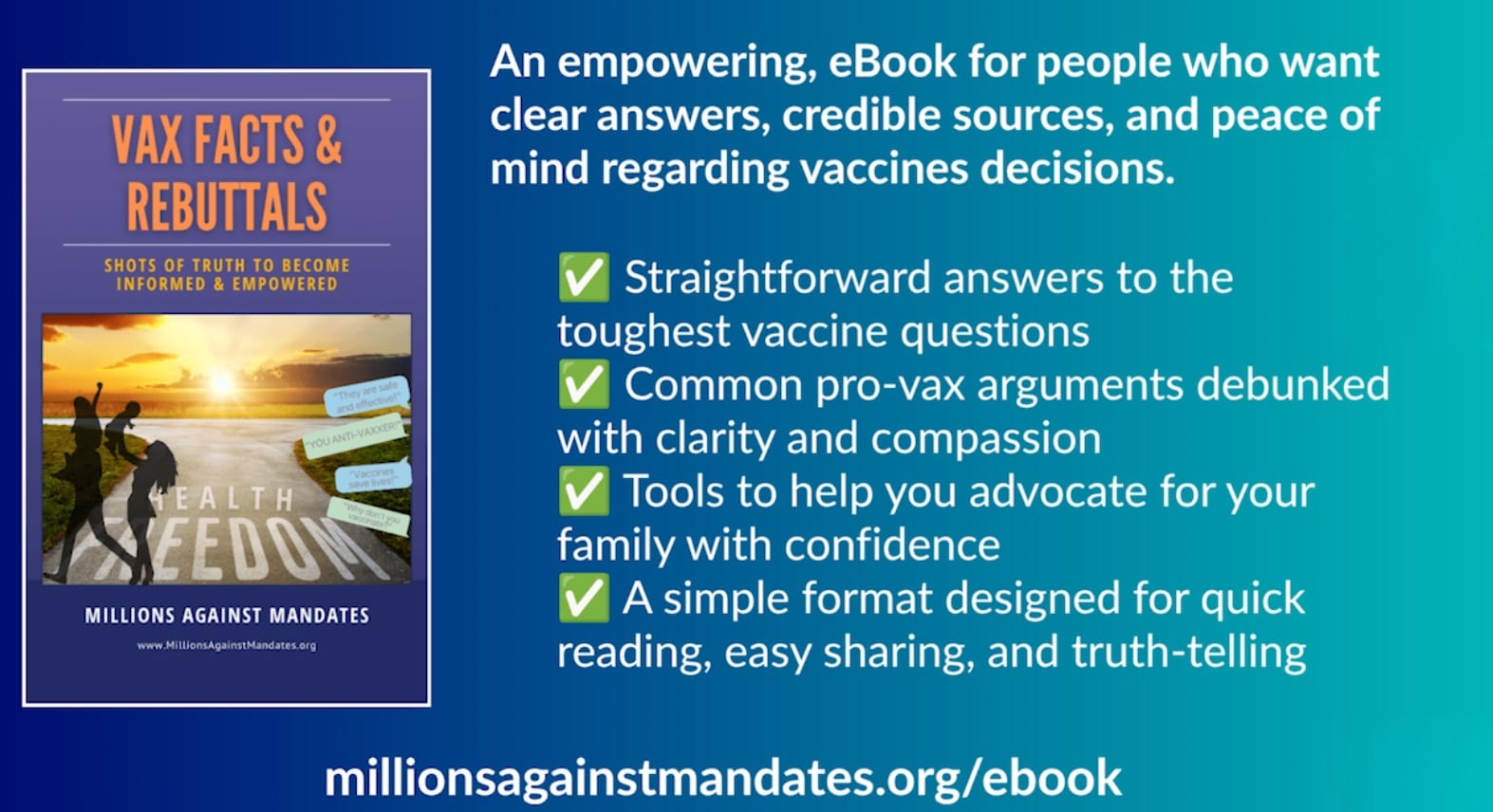
Pediatric holistic registered nurse. McDonnell has spent more than 40 years working with families, organizing children’s health conferences, and connecting parents with practical resources. She is the creator of the Children’s Health Solutions video series and co-author of the Vax Facts and Rebuttals e-book.

Elizabeth Mumper, MD, FAAP, IFMCP
IMA Senior Fellow, Pediatric Education. Dr. Mumper is a pediatrician who directed a 17-year research project examining vaccine schedules and chronic illness outcomes, finding significantly lower rates of autism among patients in her modified-schedule practice. She leads IMA’s pediatric education initiatives.
1. Food First: Why Nutrition Is the Foundation
The brain is 70 percent fat. A growing child’s nervous system, bones, and digestive tract all depend on nutrients that processed food simply does not deliver. Both Dr. Mumper and McDonnell start here because everything else builds on it: mood, behavior, immune function, development. First foods matter. Egg yolks. Bone broth. Avocado. Whole, dense, real food.
“Babies learn to eat what you feed them. When parents start early on relying on processed foods, they’re really missing the opportunity to give their children actual whole foods.” — Dr. Liz Mumper
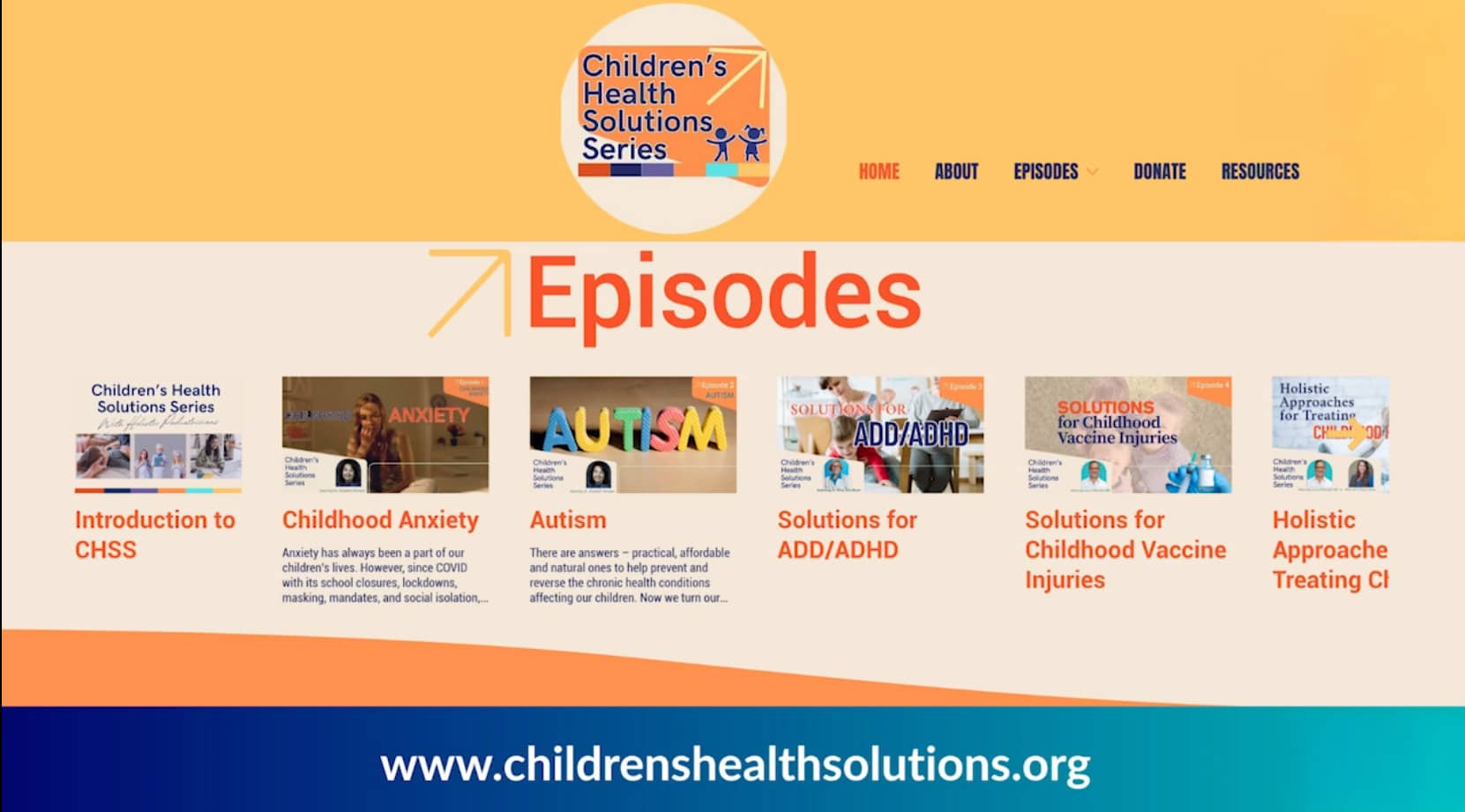
Every parent of a picky eater has heard the same advice: just keep offering vegetables. McDonnell learned something more useful from her mentor, Dr. Sydney Baker. Zinc picolinate, starting at around 5 milligrams and working up to 20, changes how a child perceives taste, smell, and texture. The shift can be startling.
“When we added a little bit of zinc picolinate, it brought in their repertoire of foods. Parents would say, my kid was super picky, and now he’s asking for radicchio or arugula.” — Maureen McDonnell
The deeper problem is that mainstream pediatrics has not made nutrition a priority. Medical schools barely teach it. Wellness visits focus on vaccine schedules, not diet. McDonnell pointed out that Pepsi once sponsored the American Academy of Pediatrics conference. That tells you what you need to know about how seriously the institution takes children’s nutrition. The pediatrician’s office should be the best place for nutritional guidance. For most families, it is a missed opportunity.

2. The Sugar Roller Coaster and the Anxious Child
Any parent who has watched a child melt down after a birthday party already understands the cycle. Sugar spikes blood sugar. Insulin drives it back down. Mood follows: irritability, anxiety, aggression, impulsivity, then a reach for more sugar. McDonnell calls it a metabolic roller coaster ride, and the destination is chronic inflammation, the through-line to nearly every chronic childhood illness on the rise.
The scale of the problem is hard to overstate. One of McDonnell’s grandchildren recently brought home a bottle of Fanta with 70 grams of sugar: over 25 teaspoons in a single bottle. That is not a treat. That is a metabolic event.
Blood sugar is not the only driver of childhood anxiety, but it is a lever parents can pull today. During the pandemic, three-quarters of Dr. Mumper’s adolescent patients met criteria for an anxiety or depressive disorder. For sleep and anxiety, both practitioners recommend topical magnesium as a first-line natural support. Roll-on, spray, or Epsom salt baths all work better than oral supplements because magnesium absorbs more efficiently through the skin. McDonnell calls it Nature’s Prozac, and for good reason: it calms anxiety, improves sleep, and the body tolerates it well.
Screens make everything worse. The constant changing of images conditions children to expect rapid stimulation and leaves them unable to tolerate anything slower.
“The constant changing image on screens conditions kids to expect things to happen very quickly, and it makes them very bored if they don’t get this quick fix. And it really is an addiction.” — Dr. Liz Mumper
McDonnell shared that one of her grandchildren had withdrawn from family life entirely because of her phone. When the child’s father put it on a timer, she started coming downstairs at night, picking apples, going for runs. The fix was simple. The difference was immediate.
What parents can start doing now:
- Start the day with protein (eggs, leftovers, turkey) instead of cereal or pastry
- Offer protein every three to four hours to keep blood sugar stable
- If giving juice, dilute it three parts water to one part juice
- Anything over four grams of sugar per serving will spike blood sugar
- Use topical magnesium (Epsom salt baths, roll-on) at bedtime for sleep and anxiety
- Set firm screen time limits and protect unstructured outdoor play
3. The Research They Don’t Want You to See
Nutrition and toxins are the easier conversations. Most parents will nod along when you tell them to buy organic and filter their water. The vaccine conversation is harder, and not because the evidence is weaker. It is harder because the evidence keeps getting retracted.
McDonnell frames the chronic illness epidemic as a three-prong problem: nutrition, toxins, and vaccines acting on children simultaneously. A generation ago, children received roughly five vaccines before age five. Today, the number is 72 to 79 before age 18, according to McDonnell. The escalation has tracked alongside the explosion in chronic childhood illness.
Dr. Mumper shared data from her own 17-year practice study. She modified the recommended vaccine schedule and tracked outcomes. The autism rate among children born into her practice was one in 297. The national rate at the time was one in 50. She then walked through three published papers, each investigating vaccine-safety questions, each subsequently retracted:
- Paul Thomas and James Lyons-Wiler examined chronic illness rates in vaccinated versus less-vaccinated children and found significantly higher rates of roughly 13 different diagnoses in the more-vaccinated group
- Brian Hooker investigated conflicts of interest in autism research and the role of mercury in vaccines, arguing for transparency free of pharmaceutical influence
- Neil Z. Miller analyzed government VAERS data and found that cases of sudden infant death syndrome clustered disproportionately in the days immediately following vaccination, rather than distributing evenly across the month
The retractions, Dr. Mumper said, were not driven by scientific flaws. They were driven by inconvenient findings.
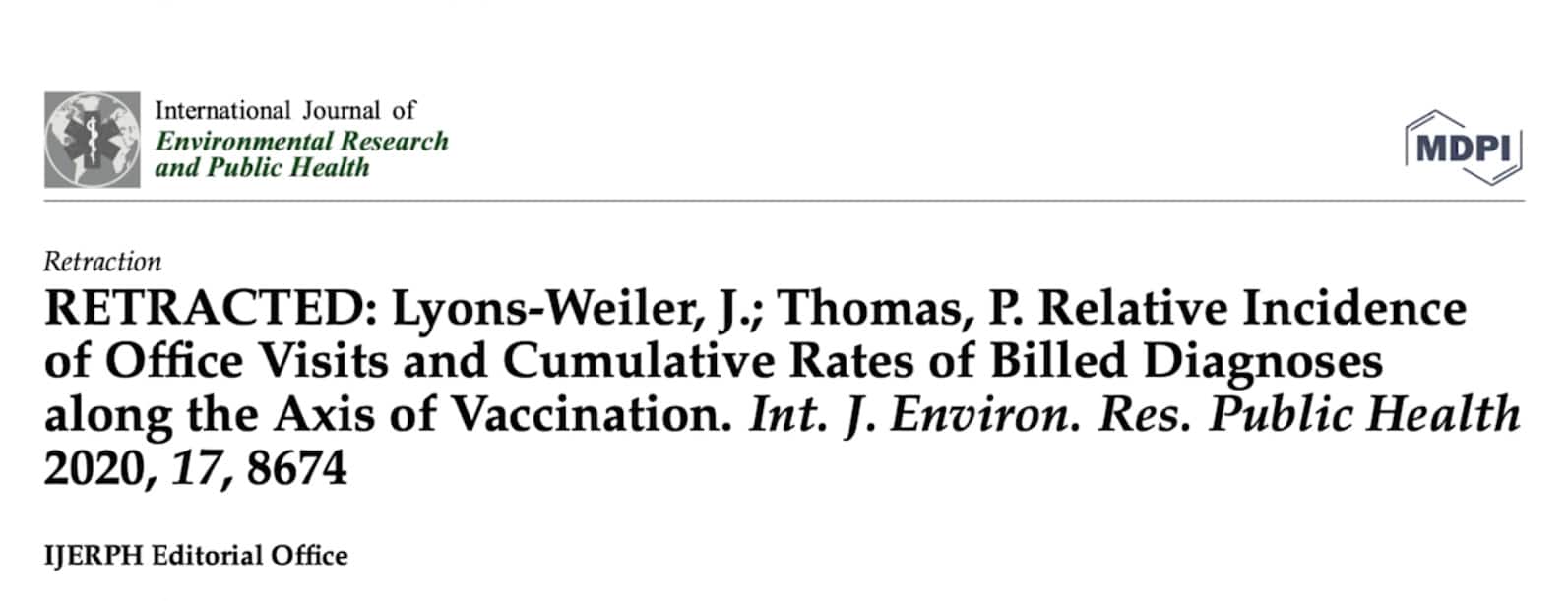
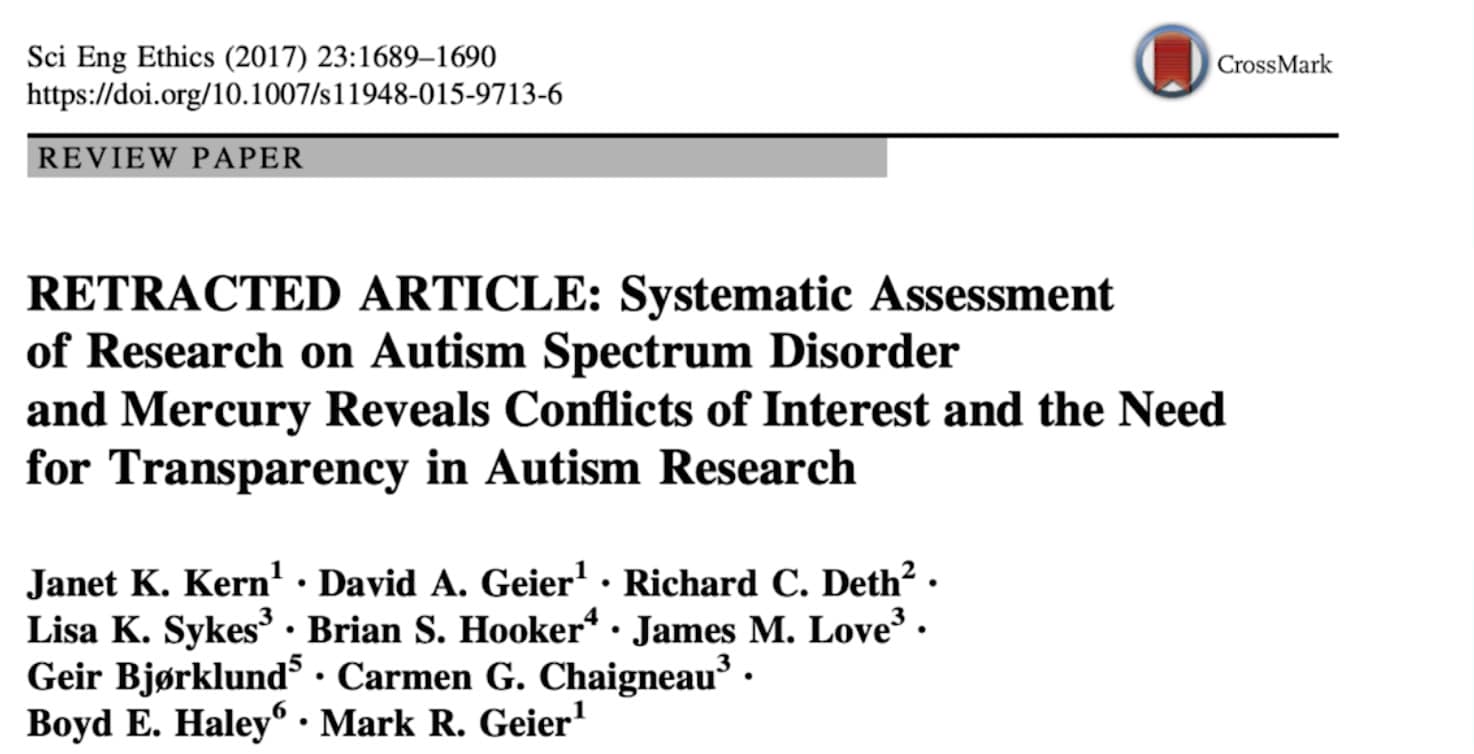
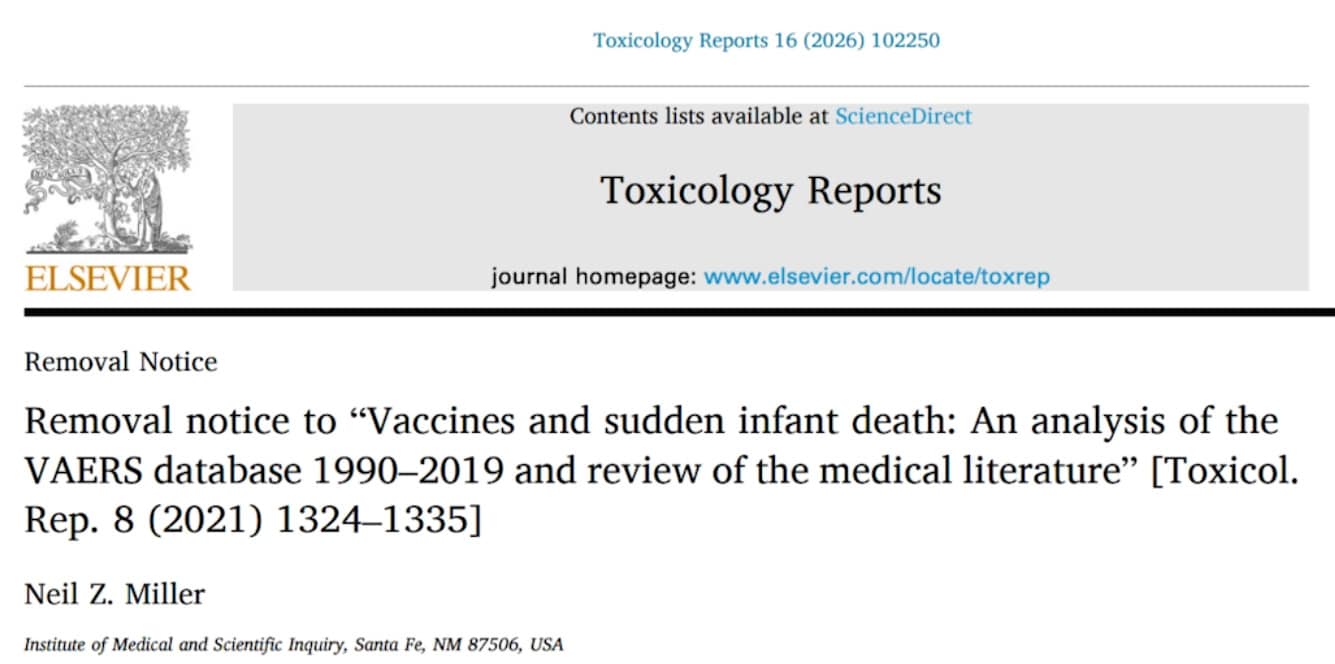
“For people out there who want to follow the science, it’s been a very tough lesson for me to learn that the science is not always as objective as we would like to believe.” — Dr. Liz Mumper
For parents who want to evaluate the evidence themselves, McDonnell’s Vax Facts and Rebuttals e-book is a free, 197-page resource with 150 live-linked studies. It was built to be the reference you bring to the pediatrician’s office, the one that links directly to the research they may not have seen.
4. Making It Work at Home
None of this has to be expensive. None of it has to be perfect. Both practitioners stressed that families should focus on progress, not perfection, and that many of the most effective changes cost less than what they replace:
- Join a CSA or co-op: Community-supported agriculture connects children to where food actually comes from, and it often costs less than the grocery store
- Cook with your kids: Let them chop, scoop, taste, and shop. Children who help make the meal are invested in eating it
- Model the behavior: Children follow what they see, not what they are told. If a parent eats donuts while telling a child to eat vegetables, the lesson lands exactly where you would expect
- Talk about marketing: Help children recognize when advertisers are trying to sell them something that will hurt their body. McDonnell’s advice to kids: be smarter than them
- Switch personal care products: What goes on a child’s skin enters the bloodstream within 26 seconds. Simple swaps (coconut oil, natural shampoos, organic sunscreen) reduce the toxic load without adding cost
- Add Epsom salt baths: Provides magnesium through the skin and supports detoxification through sulfur. Children usually love them
On fever, Dr. Mumper offered a reframe that many parents need to hear: fever is your friend. It is an adaptive response. Viruses and infections are managed better at a slightly higher body temperature. Low-grade fevers do not need treatment. For higher fevers (over 102.5 to 104), tepid baths work well and spare children the overuse of acetaminophen and ibuprofen. The important thing is not the number on the thermometer.
“It’s not the number on the thermometer, it’s the global picture of how the child is acting that you need to pay attention to.” — Dr. Liz Mumper
A New Paradigm, One Family at a Time
Fifty years of combined clinical experience is hard to argue with. What Dr. Mumper and McDonnell are describing is not alternative medicine. It is the medicine that should have been standard all along: start with food, reduce the toxic burden, question what is going into a child’s body, and treat the parent as a partner instead of an obstacle.
The resources are there. McDonnell’s Children’s Health Solutions series is free, condition-specific, and built to be watchable. The Vax Facts and Rebuttals e-book is free and fully sourced. And IMA continues to build out pediatric resources for families who are ready to take a different path.

Related Reading
- Video Series: Children’s Health Solutions
- Resource: Vax Facts and Rebuttals
- Webinar: Beyond the Headlines: Evidence-Based Treatment for Measles
- Webinar: The CDC’s Updated Childhood Vaccine Schedule Explained