Host: Dr. Joseph Varon | Guests: Dr. Paul Marik and Dr. Ryan Cole
What does the future of medicine look like, and what did this year’s IMA conference reveal about where it’s headed?
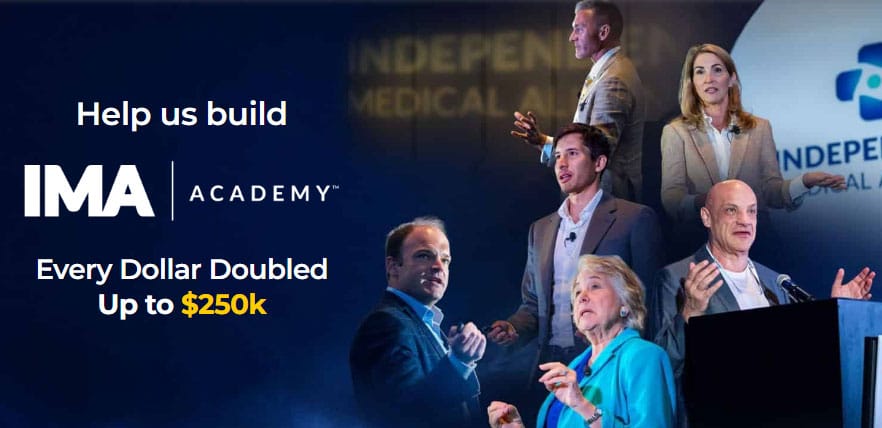
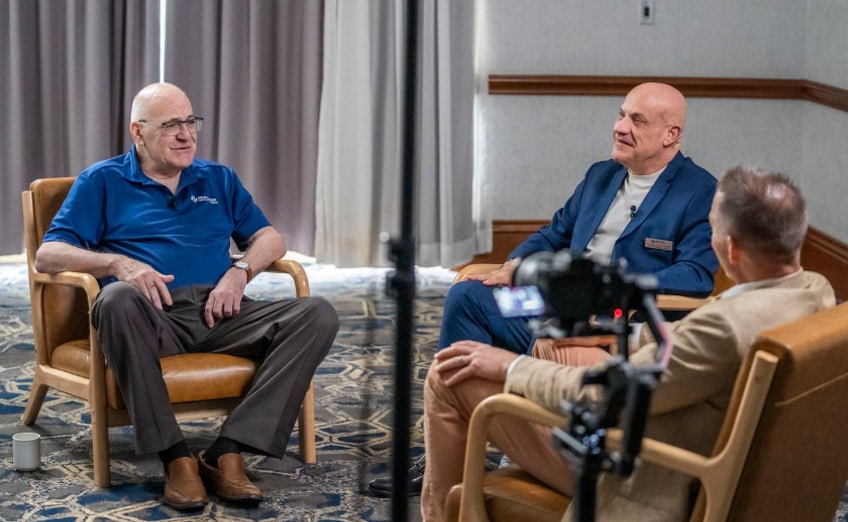
This week, IMA President and Chief Medical Officer Dr. Joseph Varon is joined by Dr. Paul Marik, IMA Chief Scientific Officer, and Dr. Ryan Cole, IMA Head of Medical and Scientific Affairs, for a special conversation on the future of medicine and a look back at the key insights from this year’s IMA Medical Education Conference: Emerging Trends in Medicine.
The trust problem in medicine is becoming hard to ignore. Patients feel it. Physicians feel it. The JAMA numbers, a drop from 71% confidence to 40% over the pandemic years, put a figure to something many have been sensing for a while. The more interesting question is what gets built next.
That’s the working question behind this week’s roundtable, recorded live at IMA’s 2026 Medical Education Conference in Las Colinas, Texas. Dr. Joseph Varon, Dr. Paul Marik, and Dr. Ryan Cole sit down to trace how institutional medicine arrived at its current moment and what a patient-first alternative actually looks like from the inside.
What makes the conversation worth watching is where it lands. The problems are real, and the panel gives them weight. But the through line is what’s already being built on the other side: independent practices, a trusted referral network, a CME pipeline designed for physicians who still want to think for themselves, and a growing community of patients who have stopped waiting for permission to take their health seriously.
Meet the Experts
Dr. Paul Marik
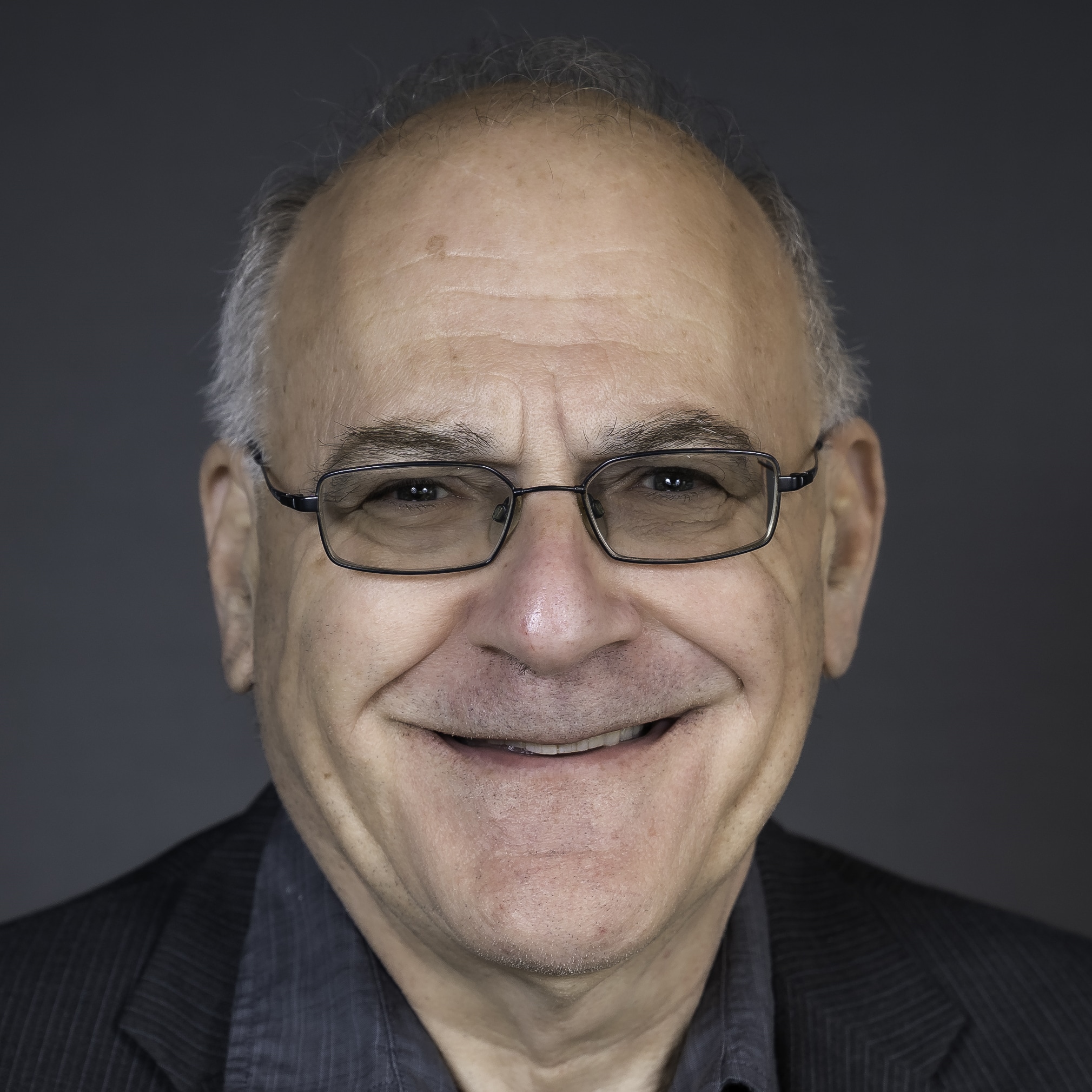
IMA Chief Scientific Officer. A pulmonary and critical care specialist, Dr. Marik is one of the most published physicians in the world, with over 500 peer-reviewed publications. His work on repurposed drugs, metabolic approaches to cancer, and ICU protocols has shaped a generation of clinicians willing to think outside the standard playbook.
Dr. Ryan Cole
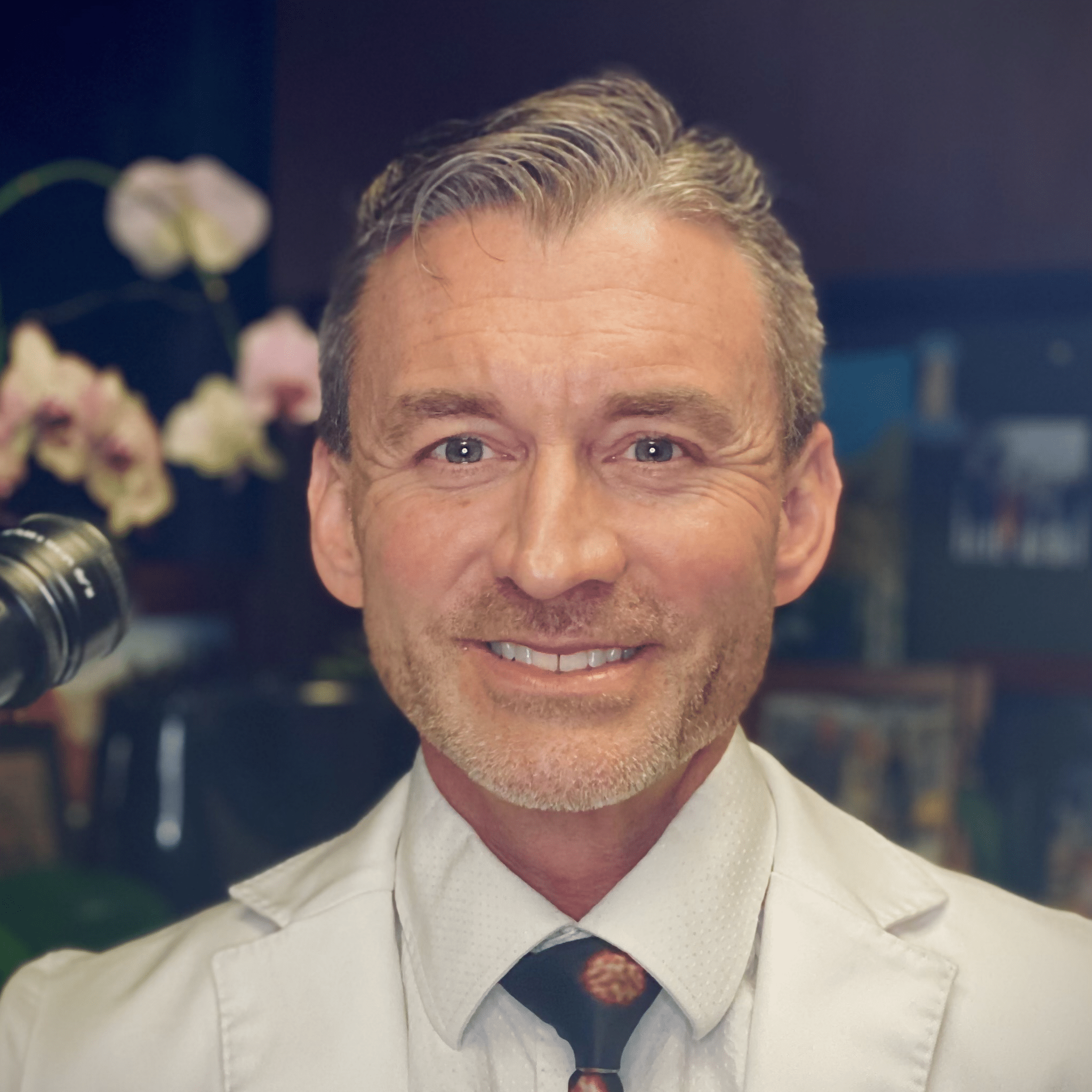
IMA Head of Medical & Scientific Affairs. Board-certified pathologist with more than two decades in independent practice. Dr. Cole’s background in tissue pathology gives him a unique vantage point on how disease behaves at the cellular level, and he has been a consistent voice for the evidence that gets passed over inside large hospital systems.
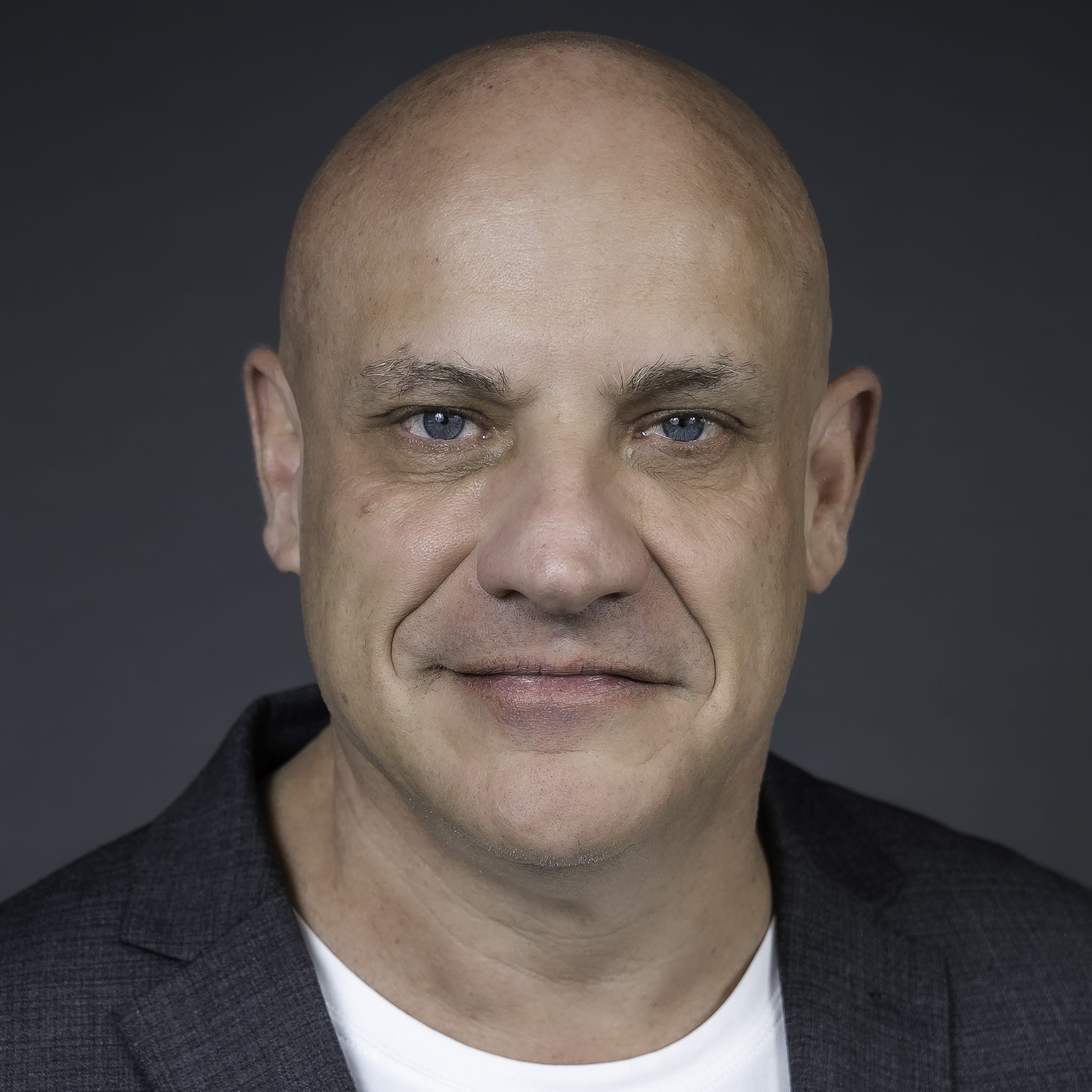
Dr. Joseph Varon
IMA President and Chief Medical Officer. Professor of Medicine, University of Houston College of Medicine. Dr. Varon has published extensively on hypertensive crisis and intensive care, including one paper cited more than 19,000 times. He has spent decades practicing and teaching medicine the way he believes it should be done: one patient at a time, at the bedside.
1. How Medicine Became a Checklist of Obsolete Rules
Guidelines were meant to be flexible, but somewhere along the way they hardened into rules, the rules got tied to reimbursement, and the whole apparatus started running on its own logic. Dr. Varon offers two examples.
The first is ACLS, or Advanced Cardiac Life Support. ACLS teaches clinicians to administer epinephrine every three to five minutes during cardiac arrest. According to Dr. Varon, there isn’t a single paper in the literature showing that epinephrine improves final outcomes. The certification is still required to practice in most hospitals.
“There is not one single paper in the literature that shows that epinephrine makes any difference whatsoever in the final outcome of these patients.” — Dr. Joseph Varon
The second is malignant hypertension, a diagnosis retired in 1984. Hospital coders still ask physicians to use it because Medicare reimburses more for it than for the current clinical term.
Layer on the documentation culture: electronic health records built for billing codes, physicians staring at screens while patients wait. The feedback loop is complete. The system rewards compliance and punishes deviation.
2. The Case for the Bedside
Dr. Marik is blunt about American medical education: the biggest problem is that teaching has left the bedside. Osler’s principle was that you teach where the patient is. That principle has been replaced by classrooms and screens.
Dr. Varon describes medical students who can pull a ChatGPT read on a chest X-ray in two seconds but can’t interpret the same film when it’s in front of them. He mentions a fifth-year student who didn’t know where the lung sits relative to the liver.
“The biggest problem about the medical school you go to is they don’t teach you to think.” — Dr. Paul Marik
AI makes the gap worse and better at the same time. For a clinician with deep training, it aggregates literature no human brain could hold. For a trainee who never got the foundation, it becomes a substitute rather than a supplement.
Patients are part of the equation too. Many arrive already well-read on their own condition. Dr. Cole argues this is an opportunity, not a threat. But Dr. Varon says he regularly sees patients who were fired by their previous physician for using repurposed drugs alongside conventional treatment. His term for this is patient abandonment. The word “doctor” comes from the Latin docere — to teach. A doctor who fires a patient for asking questions, Dr. Varon argues, has abandoned the profession’s founding purpose.
3. Building Something Parallel
Dr. Cole left the hospital system 24 years ago. He calls it the best decision he could have made. At this year’s conference, several colleagues told him they were doing the same.
IMA’s network now includes more than 12,000 healthcare providers, and at the conference the organization launched a new trusted referral network at network.imahealth.org. Every listed provider has signed an ethics declaration. The most common question IMA receives, Dr. Cole says, is some version of: how do I find a physician I can trust?
Dr. Varon’s message to hesitant colleagues is that independent practice is financially viable. Patients vote with their time and their pocketbooks; practices that put care first tend to grow.
“Do the right thing, the right way, for the right reason. And don’t worry about the money.” — Dr. Ryan Cole

4. What the Conference Revealed
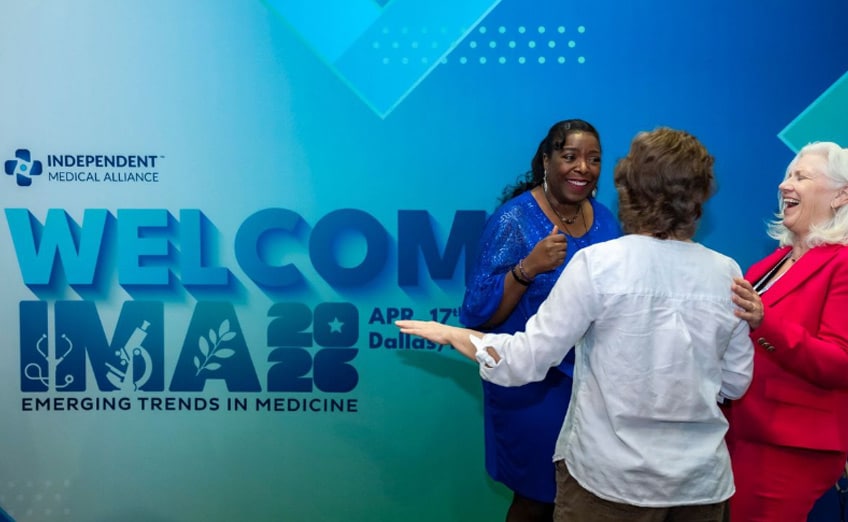
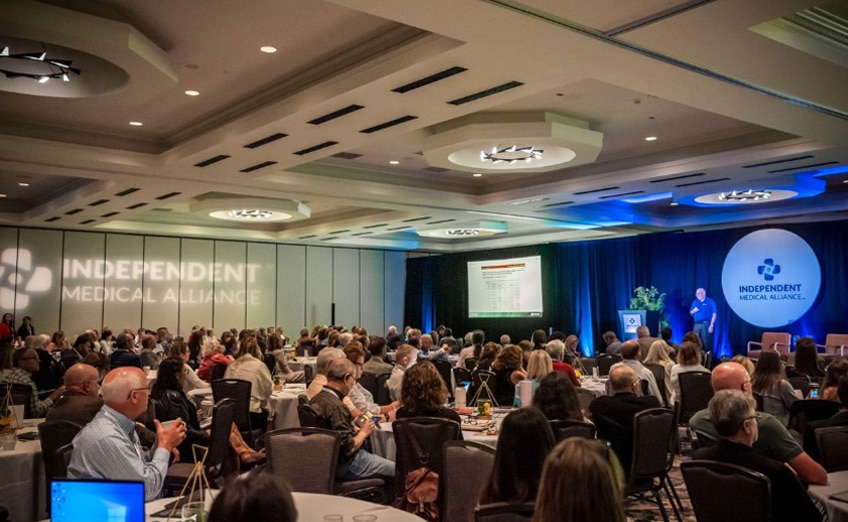
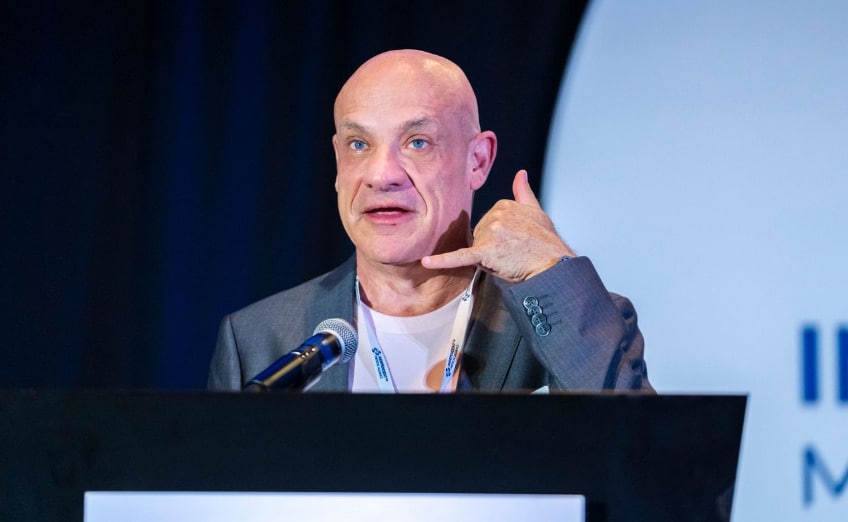
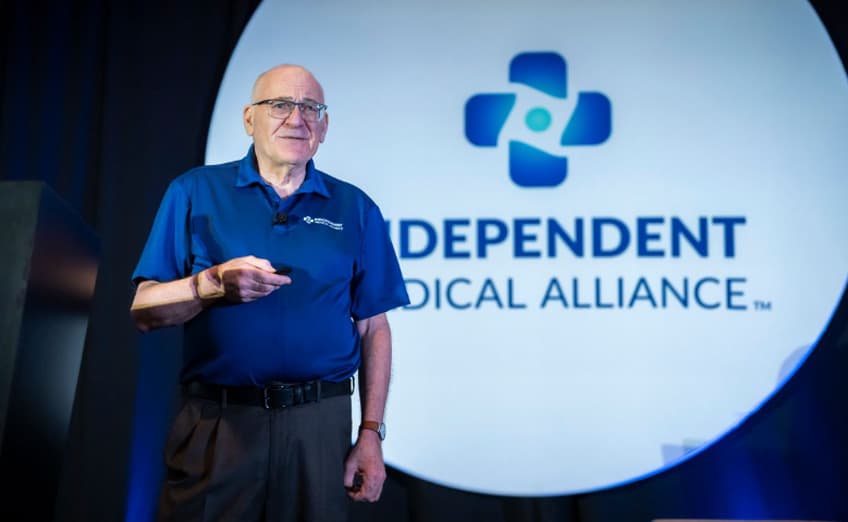
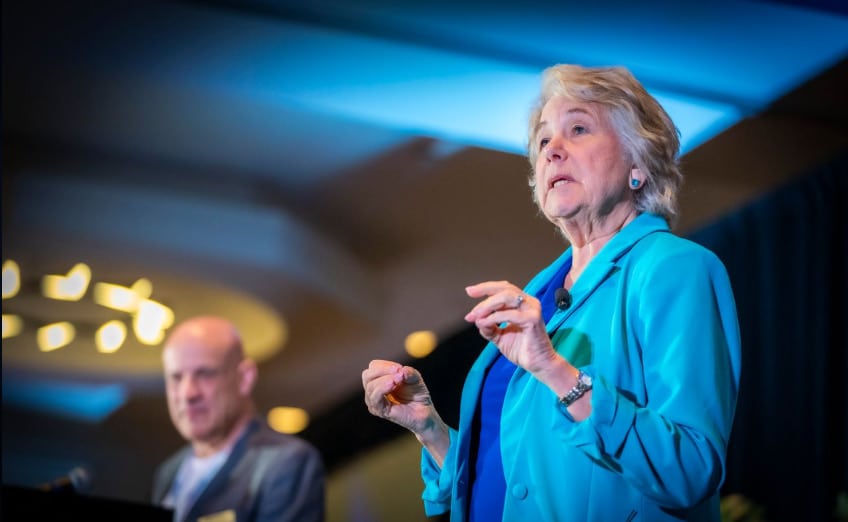
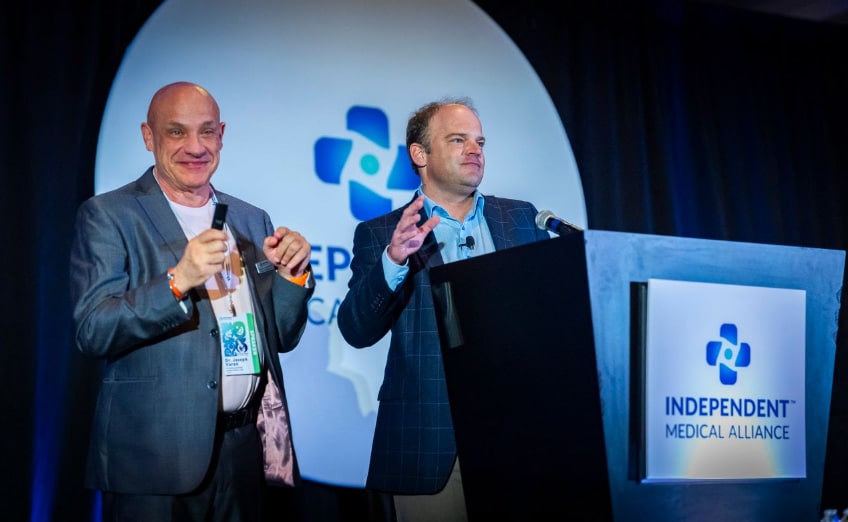
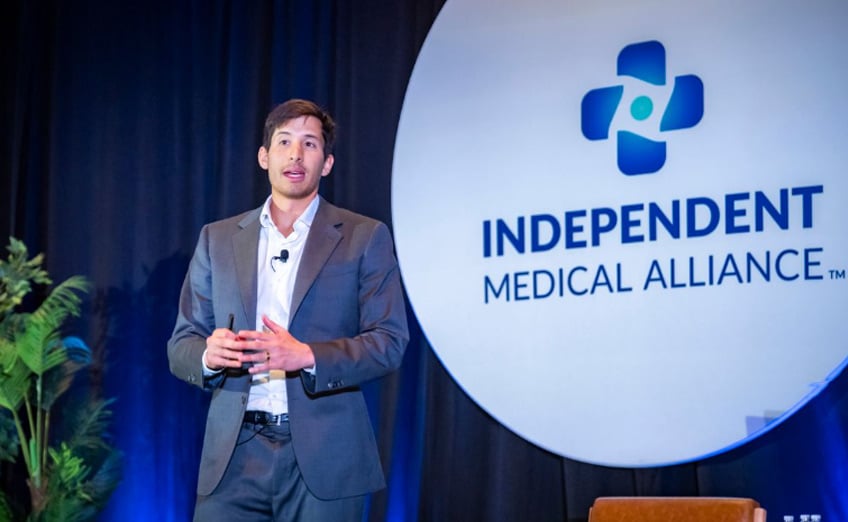
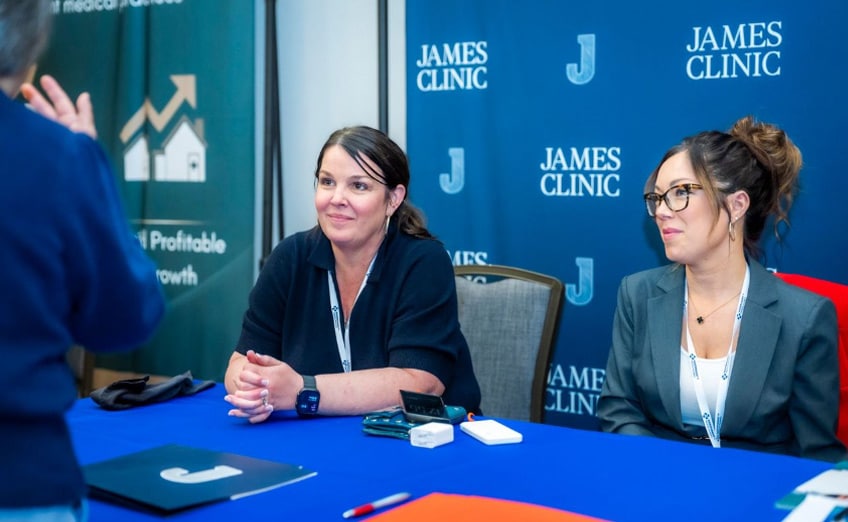
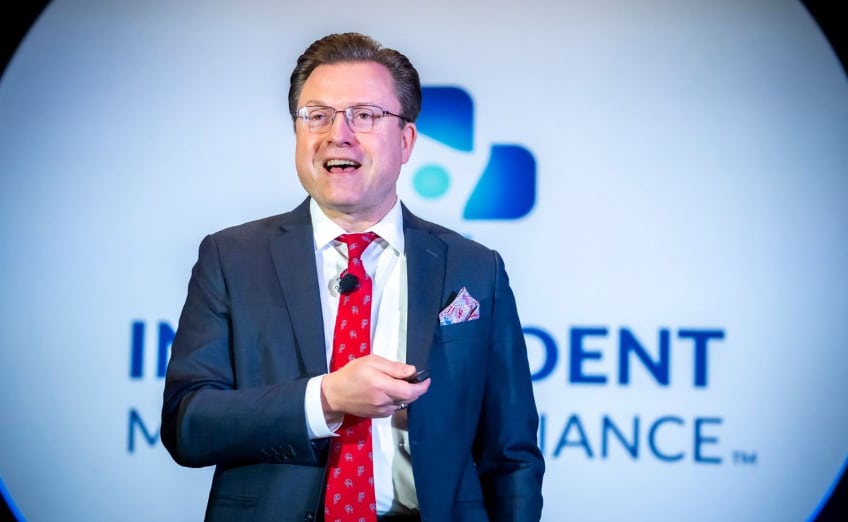
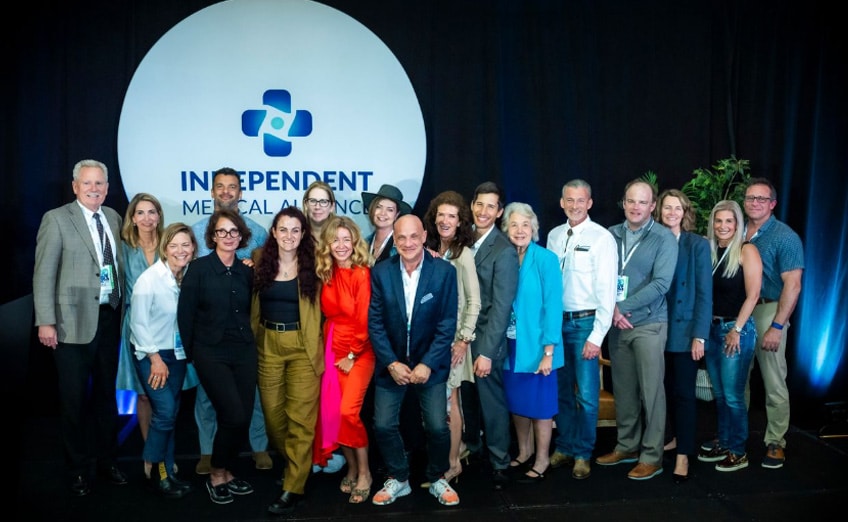
The 2026 IMA Medical Education Conference in Las Colinas was fully CME-accredited through Loma Linda University, with more than 300 attendees and 13 credits across two days. Kelly Bumann and Dr. Cole walk through the highlights in the post-show debrief.
The lecture slate covered ground most medical conferences won’t touch:
- Childhood vaccinations: Dr. Mumper reviewed the schedule; Dr. Kirk Milhoan presented on cardiac issues in children
- Post-COVID health: Dr. Jordan Vaughn on microvascular damage in adults; Dr. Marik on the rise in cancer rates and the turbo cancer literature
- Chronic disease alternatives: Dr. Kim Biss on hormone replacement therapy; Dr. Mary Talley Bowden on non-surgical approaches to sleep apnea; Dr. Josef Witt-Doerring on weaning off psychiatric drugs
- Emerging approaches: Dr. Molly James on overlooked biomarkers; Dr. Cole on photobiomodulation and red light therapy
- Ethics: Dr. Varon on end-of-life care; Yonya Kellogg on organ transplants
Two major announcements: A benefactor-funded Cancer Academy, a roughly ten-part CME series on metabolic approaches to cancer with oncologists Dr. Ray Page and Dr. Jamie Waselenko contributing alongside Dr. Marik, launching by the end of the year. And the Parents First Project, a matching-gift campaign to build a free, searchable childhood health resource center.
Digital CME credits from the conference lectures are in progress and expected within two to three weeks.
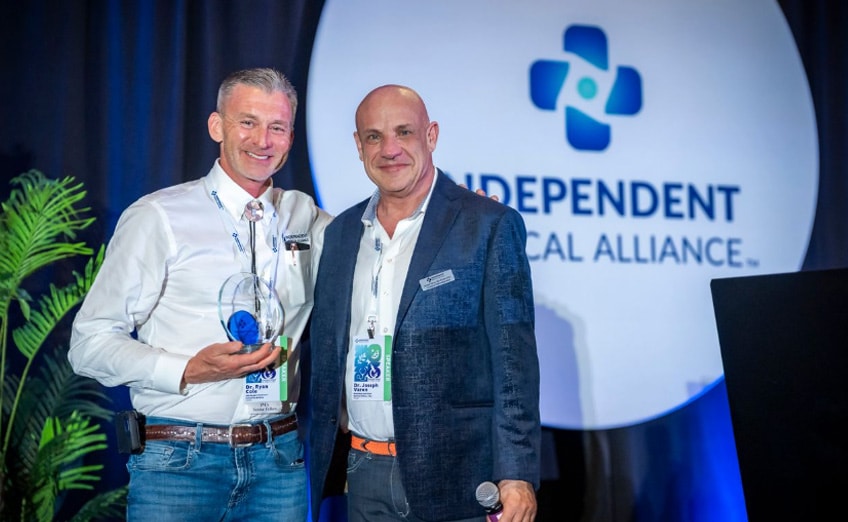
IMA 2026 Awards: Dr. Cole (Scientific Integrity), Dr. Mary Talley Bowden (Courage in Medicine), Dr. Katherine Welch (Honest Medicine), and Dr. Elizabeth Mumper (Champion of Children).
Where the Fix Is Coming From
The fix isn’t coming from the FDA, the CDC, or the NIH. It is being built right now, by clinicians who left broken systems, by patients who stopped accepting what they were handed, and by an organization that exists for exactly this reason. The future of medicine looks less like a policy change from above and more like a patient and a physician sitting together in a room, taking their time.