

Public Forum
Public Group
Public Group
Active a day ago
Default group for all members. Biological family sometimes get you down? Come join your logical family!
Public Group
Organizers:
- Organized by
-
-

Feeling Anxious?
Tagged: anxiety meds, ashwagandha, CBD, saffron
-
Feeling Anxious?

0.0167028903961 seconds
Posted by IMA-HelenT0.0182020664215 seconds
on September 29, 2025 at 1:44 pm EDTI think this is a shocking statistic, before COVID, 7.3% of the global population was affected by anxiety disorders, but since the chaos and disruption of 2020, that number has more than tripled.
We are more anxious than we’ve ever been!
Is anxiety something you suffer with, what do you do to manage it?
In this new peer-reviewed study by IMA researchers Matt Halma and Dr. Joseph Varon they explore the incredible effectiveness of ashwagandha, CBD, saffron, and other alternatives as natural treatments for anxiety. https://imahealth.org/feeling-anxious-new-study-shows-ashwagandha-cbd-and-saffron-effective-for-anxiety-disorders/
Worth a read and a share with someone that may be looking for alternatives to big pharma treatments.
 IMA-HelenT
0.0196900367737 seconds
replied 2 months, 3 weeks ago 5 Members · 8 Replies -
8 Replies
-

0.0231909751892 seconds
Spikeopathy clearly contributed to the tripling in anxiety since COVID started. Spike protein binds to acetylcholine receptors, thus gumming up the parasympathetic system (rest and digest) and leaving us with the sympathetic nervous system unchecked (fight or flight).
In the paper HRV is at the top of the anxiety biomarkers. HRV represents vagal tone and once again the vagus nerve is front and center in the parasympathetic nervous system. So, in addition to the naturopathic suggestions in the article, any of the other modalities for improving vagal tone can help as well such as grounding/earthing, and stimulation devices.
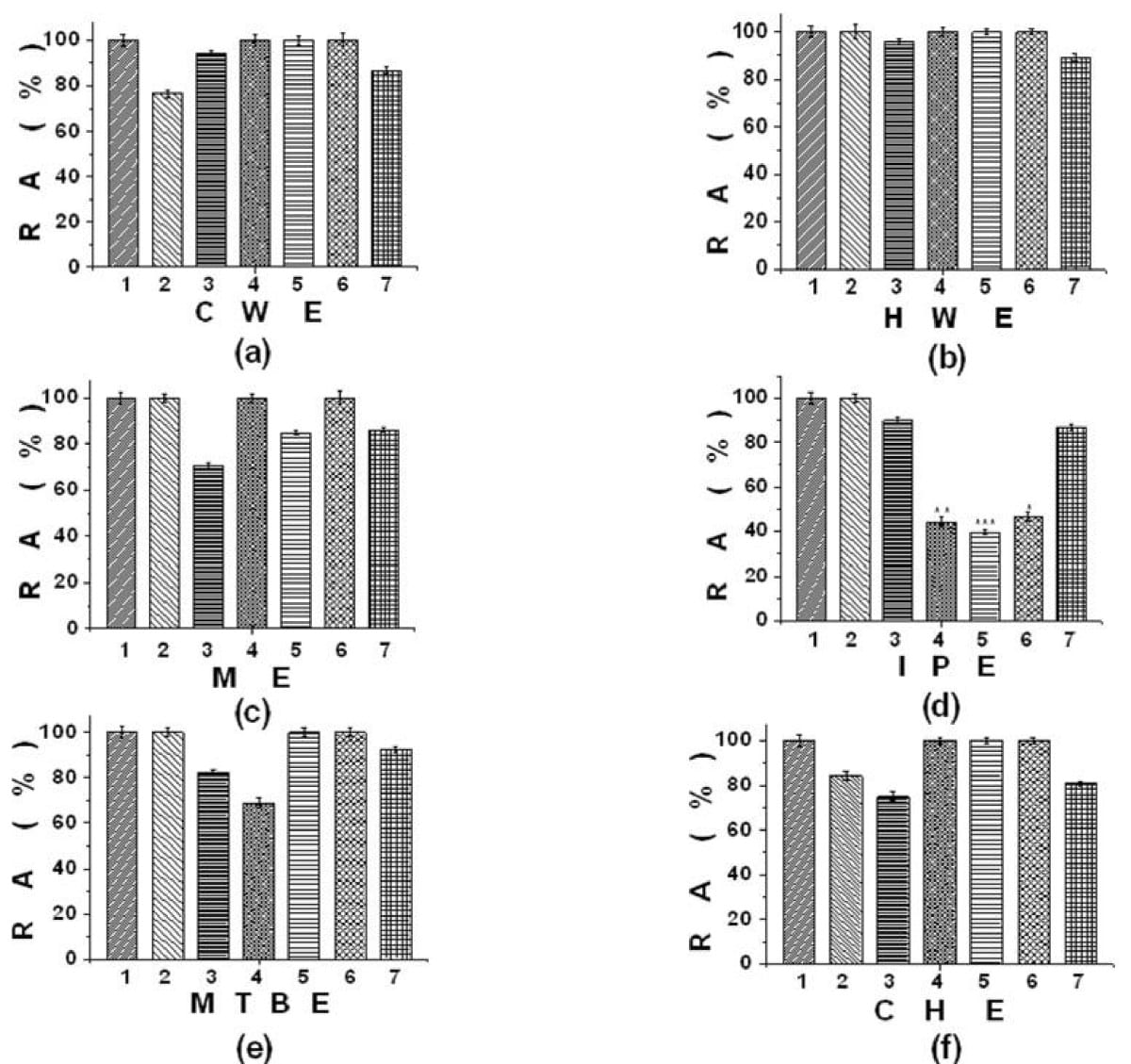
Another anxiety biomarker that stood out to me is higher alpha-amylase production. For those that aren’t familiar, alpha-amylase is a substance our body produces that breaks down starch. So, the net effect will be fast starch breakdown and higher glucose spikes. So, the trend of higher diabetes since COVID … this certainly could be contributing to that. It just so happens that there are natural ways to address high levels with “alpha-amylase inhibitors”.
https://bmccomplementmedtherapies.biomedcentral.com/articles/10.1186/1472-6882-11-5
“This study endorses the use of these plants for further studies to determine their potential for type 2 diabetes management. Results suggests that extracts of Linum usitatisumum, Morus alba and Ocimum tenuiflorum act effectively as PPA inhibitors leading to a reduction in starch hydrolysis and hence eventually to lowered glucose levels.”
To put that into plain language:
– Ocimum tenuiflorum (Holy basil): Potent inhibitor with IC₅₀ of 8.9 μg/mL.
– Linum usitatissimum (Flaxseed) and Morus alba (White mulberry): Moderate inhibitors.
– Other promising plants include:
– Aloe vera
– Cinnamomum verum (True cinnamon)
– Zingiber officinale (Ginger)
– Trigonella foenum-graecum (Fenugreek)
These plants contain flavonoids, tannins, alkaloids, and saponins, which contribute to their inhibitory effects.
And to add one more to the list for slowing starch breakdown – vinegar.
What I’ve listed above are for treating the biological symptoms associated with the increased anxiety rather than addressing the anxiety itself.
bmccomplementmedtherapies.biomedcentral.com
Background Indian medicinal plants used in the Ayurvedic traditional system to treat diabetes are a valuable source of novel anti-diabetic agents. Pancreatic α-amylase inhibitors offer an effective strategy to lower the levels of post-prandial hyperglycemia via control of starch breakdown. … Continue reading
-

0.0219349861145 seconds
@jrgerber reading your linked paper, I was looking at the phrase anti-diabetic, not really understanding it, because it didn’t mean to me ‘helpful of someone with diabetes.’ And AI told me – ““Anti-diabetic properties” means the characteristic of a substance or product that helps manage or improve blood sugar control, and may assist in diabetes prevention or treatment.” So that phrase started to make sense.
Then I thought what’s the etymology of Diabetic – and thought this was quite interesting.
The word “diabetic” comes from the medical term “diabetes,” which originates from the Greek word diabētēs, meaning “a passer-through” or “siphon”. This refers to the symptom of excessive urination seen in diabetes, where fluids seem to pass through the body as if through a tube. The adjective “diabetic” has been used in English since the early 1700s to mean “of or related to diabetes,” and by the 1800s also referred to a person suffering from diabetes.
The Greek root combines dia (“through”) and bainein (“to go, walk, step”). The noun suffix “-ic” (as in “diabetic”) comes from Greek and Latin, used to form adjectives meaning “pertaining to” or “caused by”.
-
-
0.0184600353241 seconds
I forgot to mention. In the article it states:
“Saffron has shown potential for reducing anxiety symptoms, with some evidence suggesting it may be as effective as certain conventional medications but with fewer side effects.”
I had studied saffron a bit and started taking when I suspected cortisol dysregulation was happening, before I knew my symptoms were due to post vaccination syndrome.
I’ll let copilot explain more:
🌼 Saffron (Crocus sativus) has shown promising effects on cortisol regulation, particularly in the context of stress and mood disorders. Here’s what recent studies reveal:
🧠 Saffron and the HPA Axis
- A 2023 study using the chronic mild stress model in rats found that oral administration of standardized saffron extract (Affron®) at 100–200 mg/kg:
- Normalized HPA axis dysregulation
- Reduced adrenocorticotropic hormone (ACTH) and corticosterone levels
- Enhanced neuroplasticity and behavioral resilience
🌿 Mechanisms of Action
Saffron appears to modulate cortisol and stress via multiple pathways:
- Serotonin reuptake inhibition (like SSRIs), boosting mood
- GABA promotion and NMDA receptor blockade, balancing excitatory and inhibitory signals
- Antioxidant and anti-inflammatory effects, which may reduce oxidative stress on adrenal function
- BDNF elevation, supporting brain resilience and recovery
💊 Clinical Potential
- Saffron has been compared favorably to fluoxetine (Prozac) in trials for depression
- It’s well-tolerated, with minimal side effects, and may be a viable adaptogenic alternative to conventional antidepressants
- A 2023 study using the chronic mild stress model in rats found that oral administration of standardized saffron extract (Affron®) at 100–200 mg/kg:
-

0.0212600231171 seconds
I can’t talk about the possible mental effects of Covid itself, but I am convinced that an awful lot of people are suffering some sort of ‘mild’ PTSD from the way the pandemic was handled by our governments. First, we were terrified into submission by graphic scare stories, many of which turned out to be less than factual, then various ‘health officials’ appeared on TV to remind us every single day that Covid was a threat to everybody. Social distancing, school closures, business shutdowns, mask mandates then, worst of all, vaccine mandates all served to shake our very foundations.
Then came the anti-lockdown and anti-mandate protests, where ordinary mums, dads and young people with genuine complaints about all this heavy-handed government overreach were treated like terrorists. Here in Australia, protesters were beaten, arrested, jailed and even shot at with rubber bullets AS THEY TRIED TO RUN AWAY. The stench of dictatorship was everywhere.
Next came the demonisation of anybody who was sceptical of the so-called vaccines. They were labelled ‘antivaxxers’ and conspiracy theorists, not just by idiots on the internet, but by government officials, health professionals and the media. This eventually led to politicisation of Covid and the vaccines, as it seemed somehow to be that those on the left supported all of this while conservatives (i.e. free thinkers) were ostracised, threatened or fired.
So THIS, for me, is more likely to be the root cause of the alleged increase in anxiety disorders. Nobody feels safe any more. For sure, I no longer trust my own government to keep me safe – I feel the government is now one of the biggest threats I face.
-
0.0239360332489 seconds
Agree, and I speak to a lot of people that have just stopped reading anything, just giving in to all the controls that governments keep bringing in. @stevesp I think that’s why trying to build an in person community around you is so vital for our mental health. What do you do to stay sane and positive?
-
-
0.0212299823761 seconds
To be honest, I’ve discovered that maintaining genuine, in-person relationships has also had the most impact on me. It has been really beneficial to take a break from the never-ending news cycle and concentrate on grounding habits like walks, hobbies, and spending time with people I trust. The little things are what keep me steady.
-
0.0201330184937 seconds
I concur, these are the things that keep me feeling happy too and then add three wonderful grand babies 🙂
-
Log in to reply.